
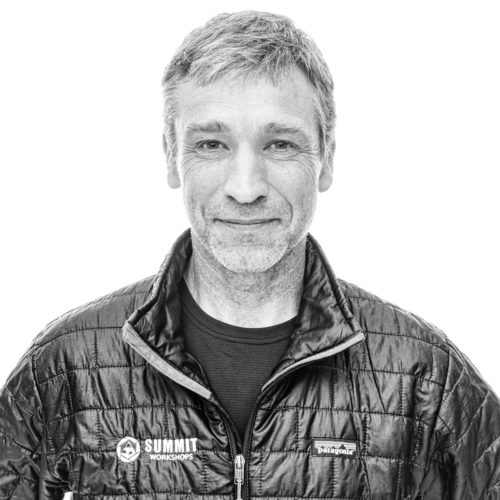
Michael Forsberg
Michael Forsberg is a Nebraskan whose 30-year career as a photographer and conservationist has been dedicated to wildlife and conservation stories in North America’s Great Plains, once one of the greatest grassland ecosystems on Earth. His images have been featured in publications including Audubon, National Geographic, Nature Conservancy, and Sierra magazines. His fine art prints are in public and private collections, and his solo exhibitions have traveled nationwide.
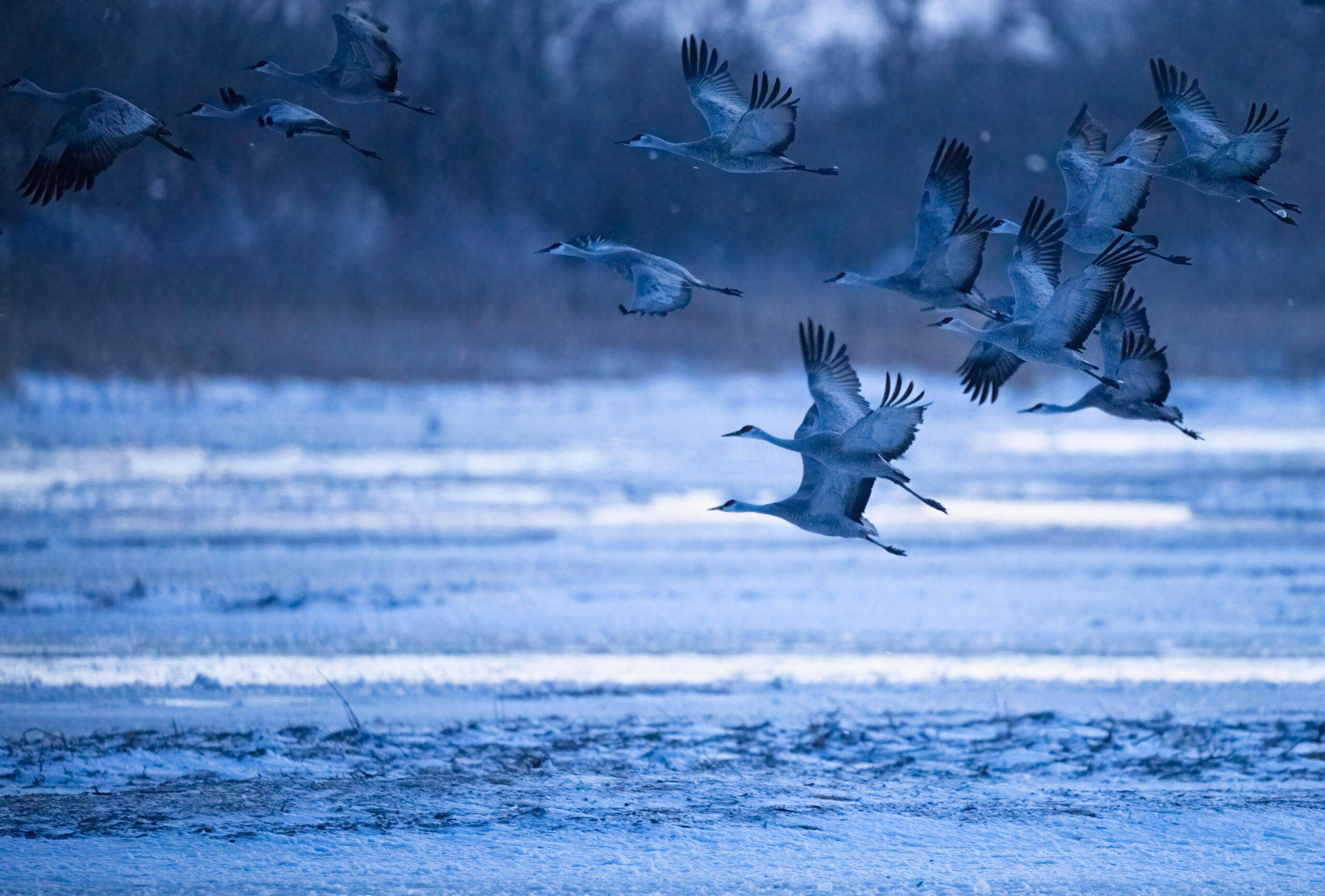
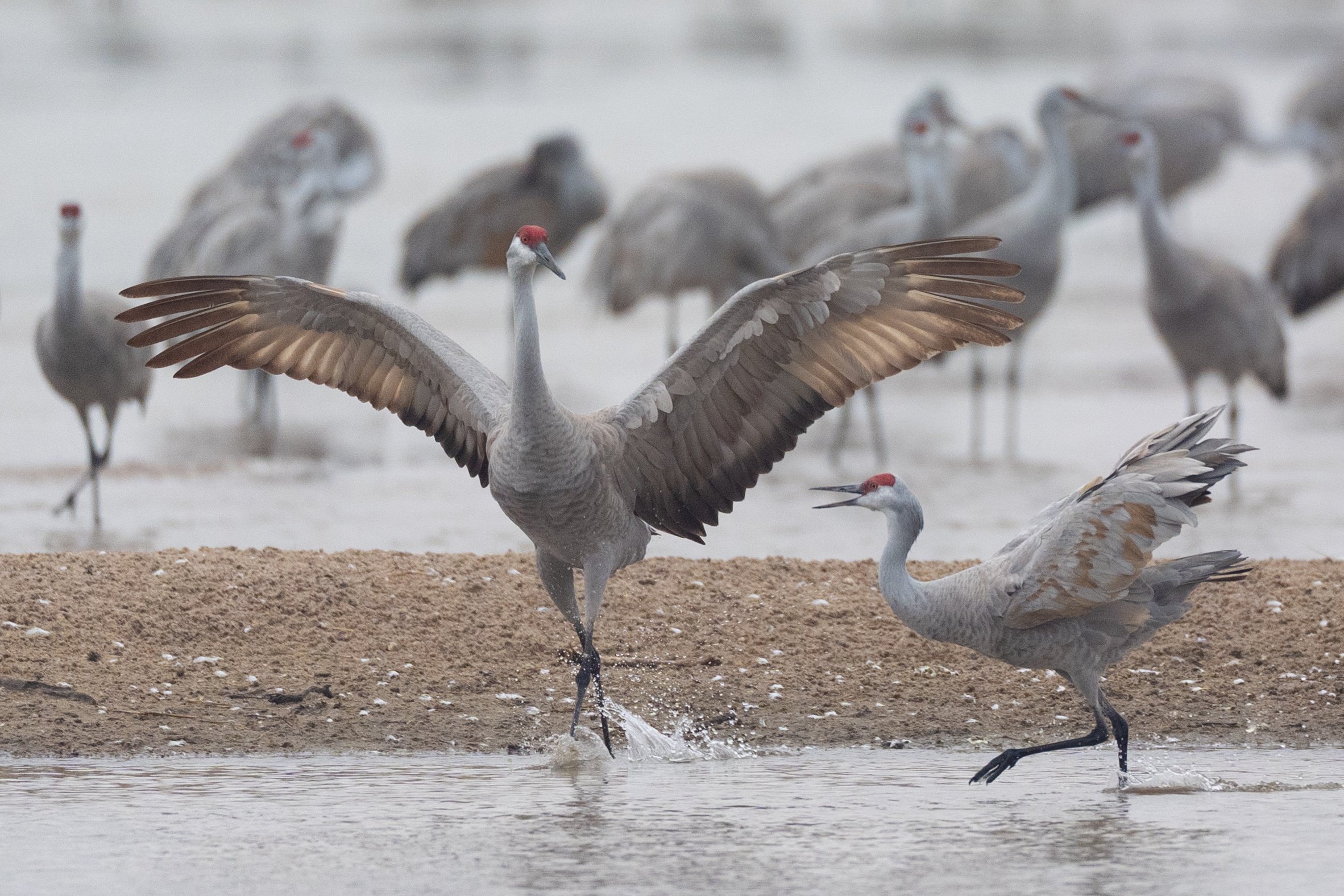
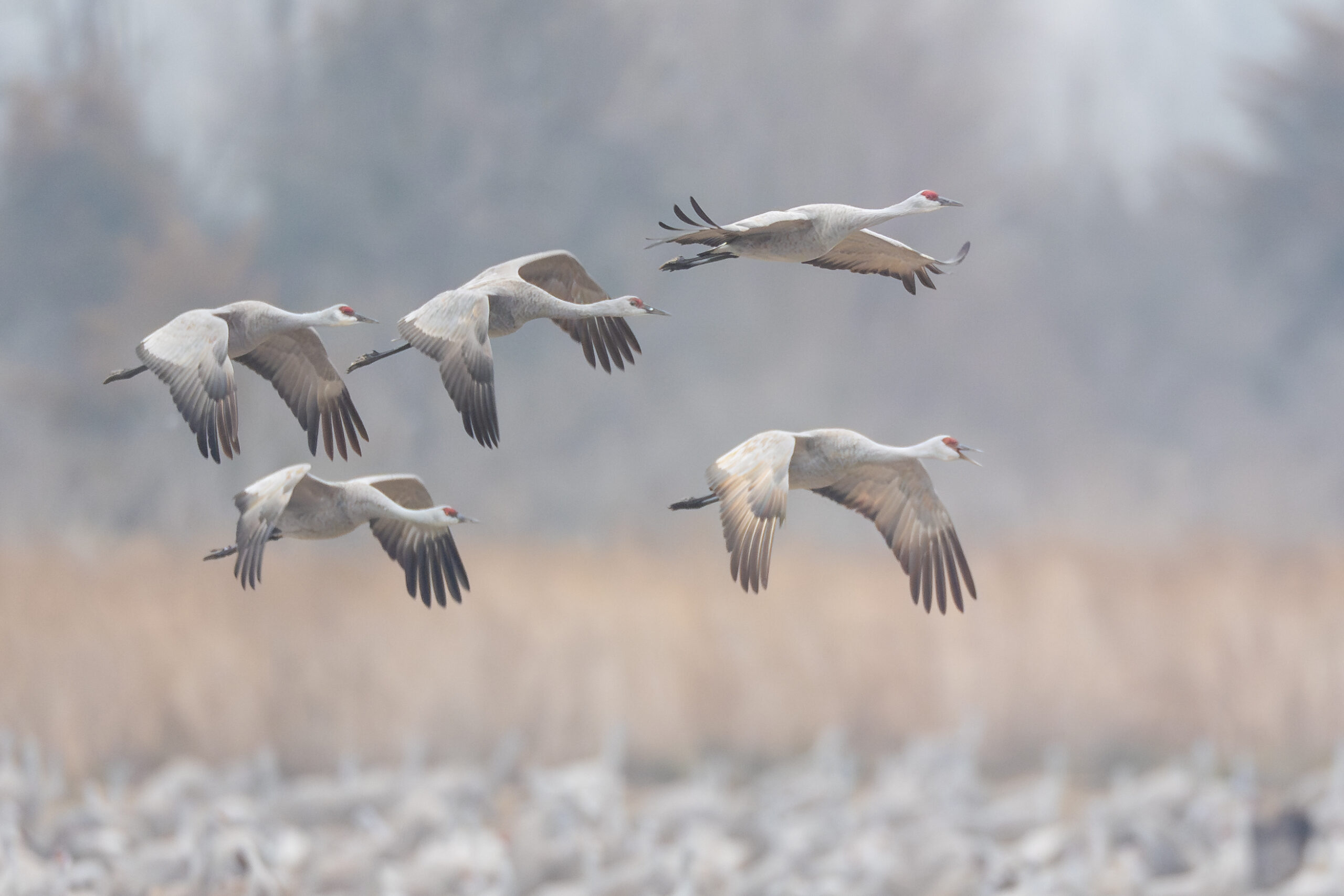
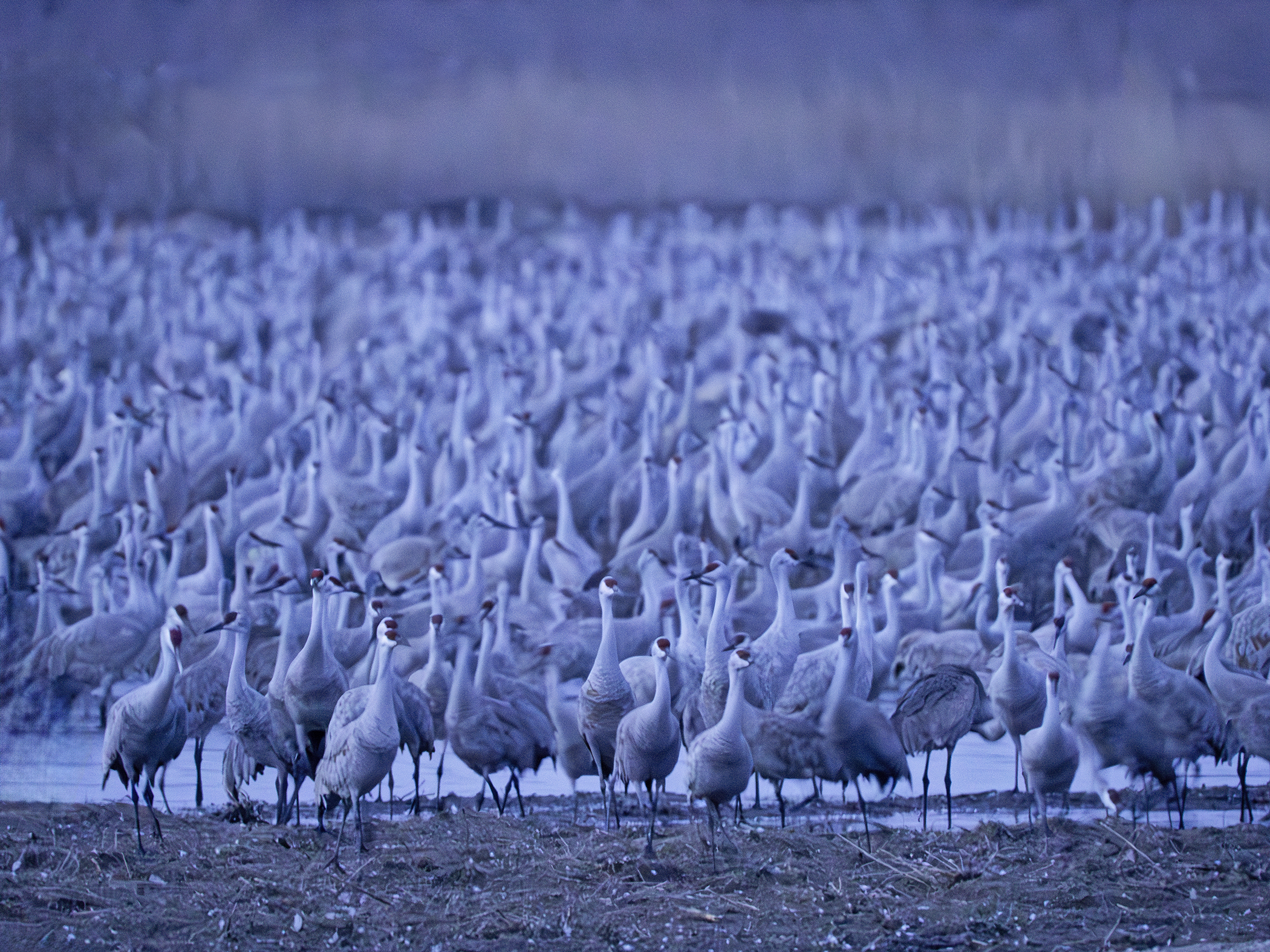
In 2017, Mike received the Ansel Adams Award for Conservation Photography from the Sierra Club in Washington, DC, and the Environmental Impact Award from the North American Nature Photography Association. Also, in 2017, his image of sandhill cranes on the Platte River was selected to illustrate USPS’s Forever stamp celebrating Nebraska’s 150 years of Statehood. In 2000, his photograph of a Nebraska tallgrass prairie was issued as an international airmail stamp in the United States Postal Service’s American Scenes Series. In 2020, Mike received the J. Sherwood Chalmers Medal from The Garden Club of America.
Mike is the author and photographer of On Ancient Wings – The Sandhill Cranes of North America, self-published in 2005, Great Plains – America’s Lingering Wild, published by the University of Chicago Press in 2009 and Into Whooperland – A photographer’s journey with whooping cranes, self-published in 2024. He was featured in the Nebraska Public Media documentary Crane Song and co-produced Great Plains – America’s Lingering Wild, based on his book of the same title, released on PBS in 2013.
In 2011, Mike co-founded Platte Basin Timelapse (PBT) in partnership with the University of Nebraska–Lincoln and Michael Farrell Photography and Fine Art. Today, it is a conservation storytelling project that informs scientific research, builds educational content, and tells stories of a Great Plains watershed in motion. The documentary Follow the Water, based on the project and Mike’s traverse across the Platte Basin watershed, was released on PBS nationally in 2019.
Mike is a faculty member in the School of Natural Resources at the University of Nebraska–Lincoln, a Fellow with the Center for Great Plains Studies and the Daugherty Water for Food Institute, a member of The Photo Society, and a Senior Fellow with the International League of Conservation Photographers.