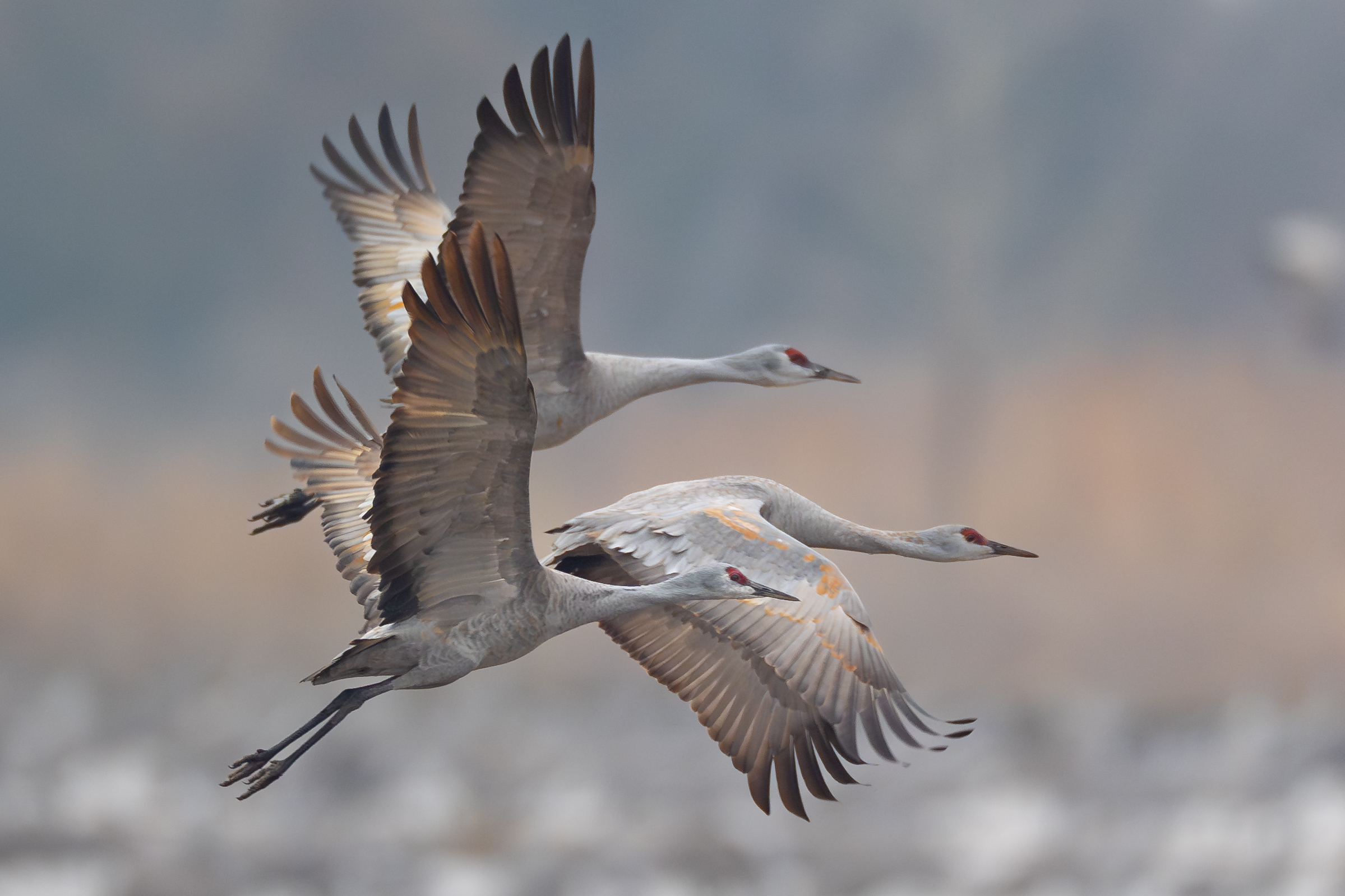
Nature Photography Workshop in the Tetons

Join our immersive nature photography workshop in Grand Teton National Park, designed for photographers who want hands-on experience capturing wildlife, landscapes, and fall color in one of the most iconic locations in the American West.

Where Photography and Nature Come Together

September 27 - October 1, 2026 | Jackson Hole, WY

Tuition: $3,395 | Deposit: $800

Deposit due upon registration, full tuition due 120 days before the workshop. Workshop limited to 30 participants. 

For over 40 years, Summit has brought photographers to Grand Teton National Park for an immersive nature photography experience focused on growth, creativity, and connection. This workshop is built around time in the field, where you will photograph wildlife, landscapes, and fall color while learning directly from experienced instructors. Whether you are refining your skills or looking for new inspiration, this workshop offers the opportunity to fully engage with both your craft and the natural world.

Why Photograph Grand Teton National Park?

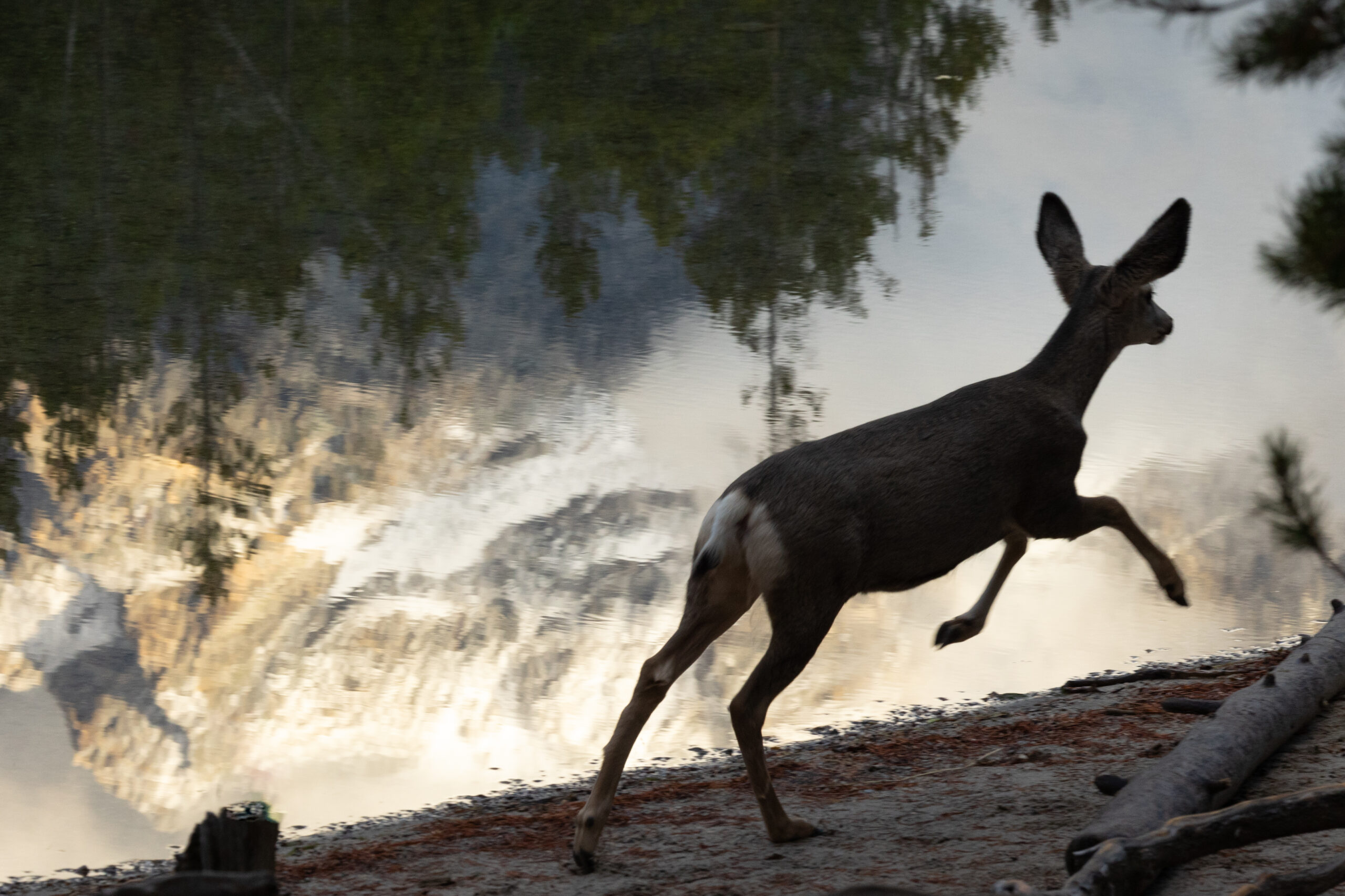
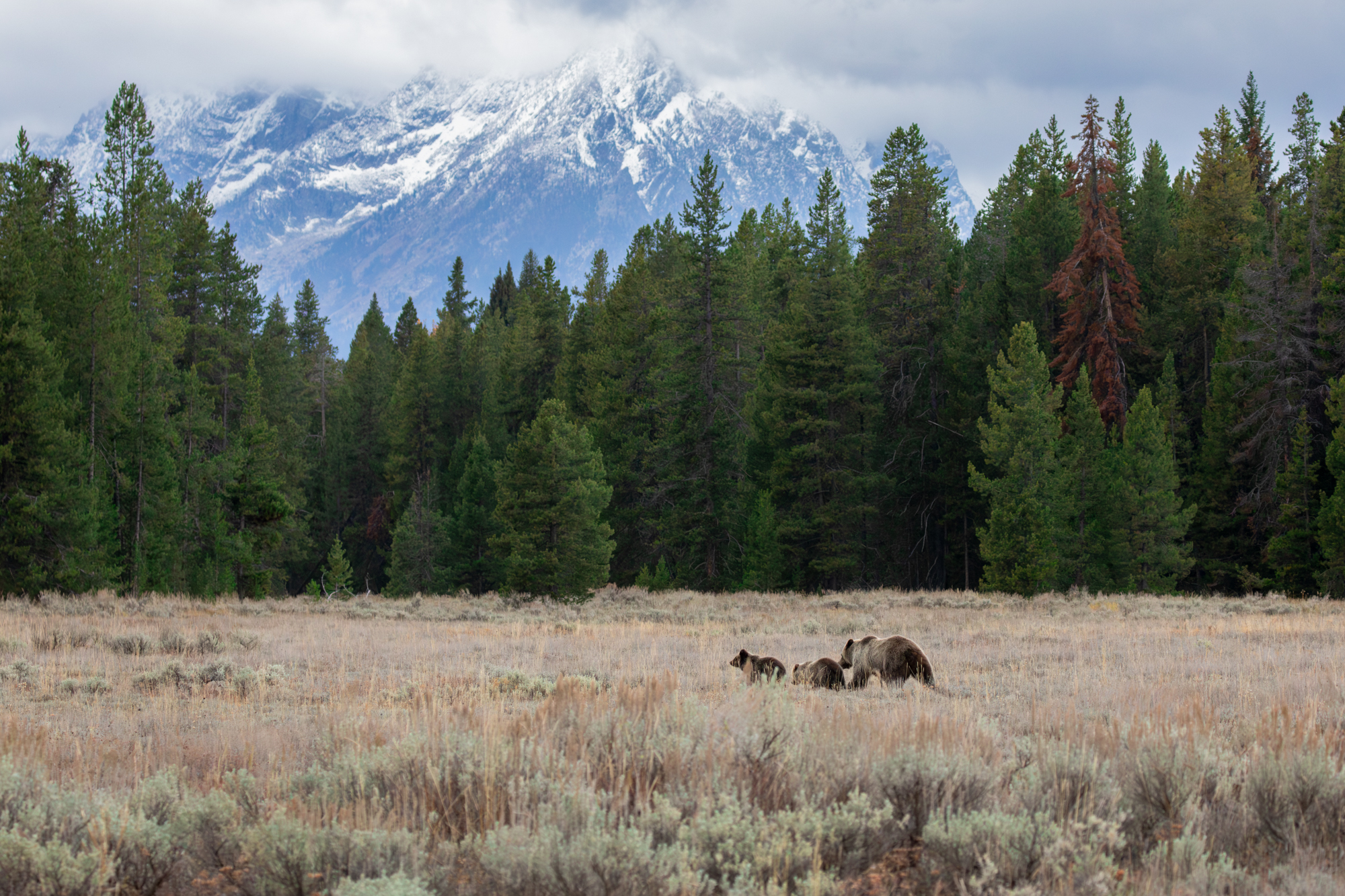
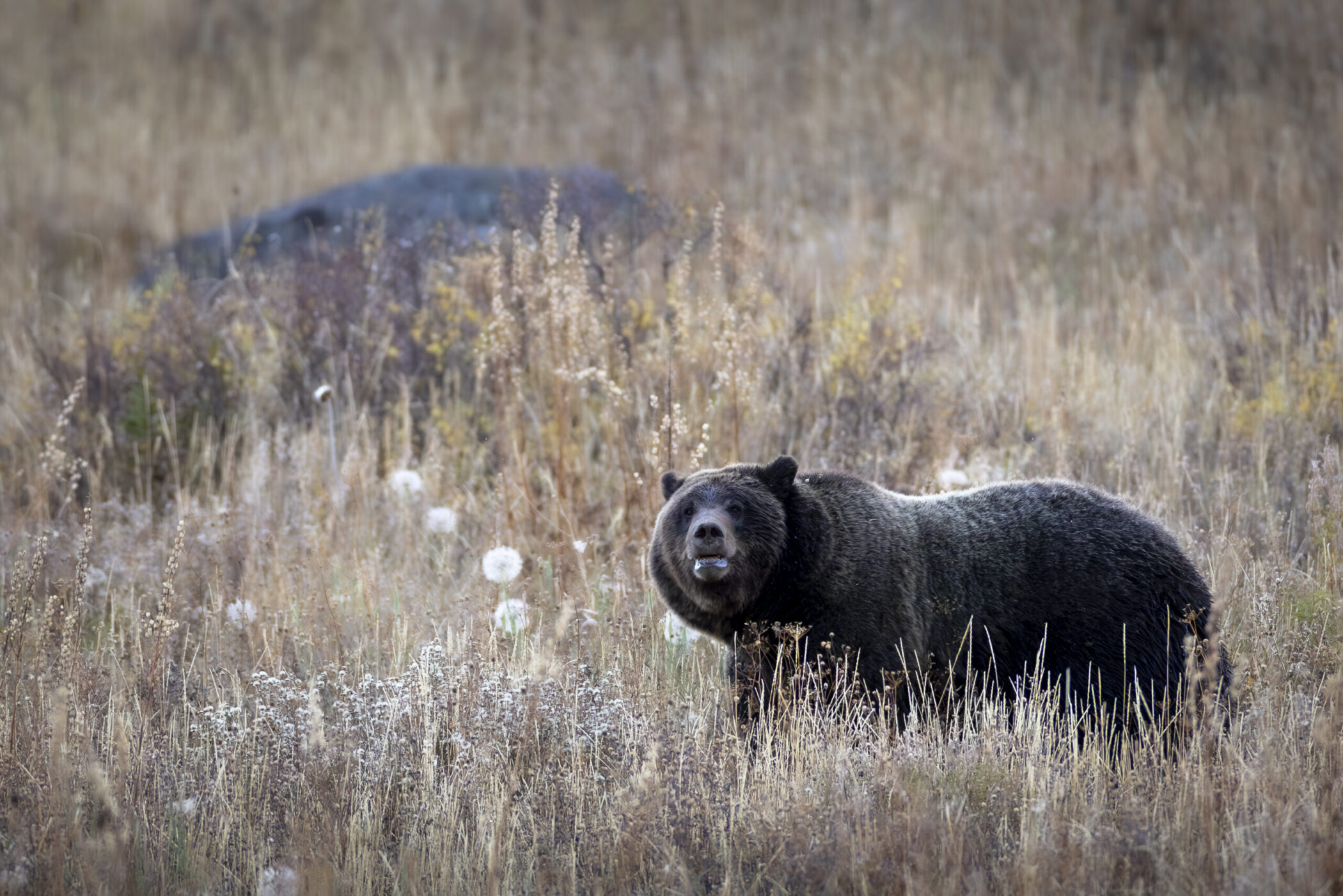
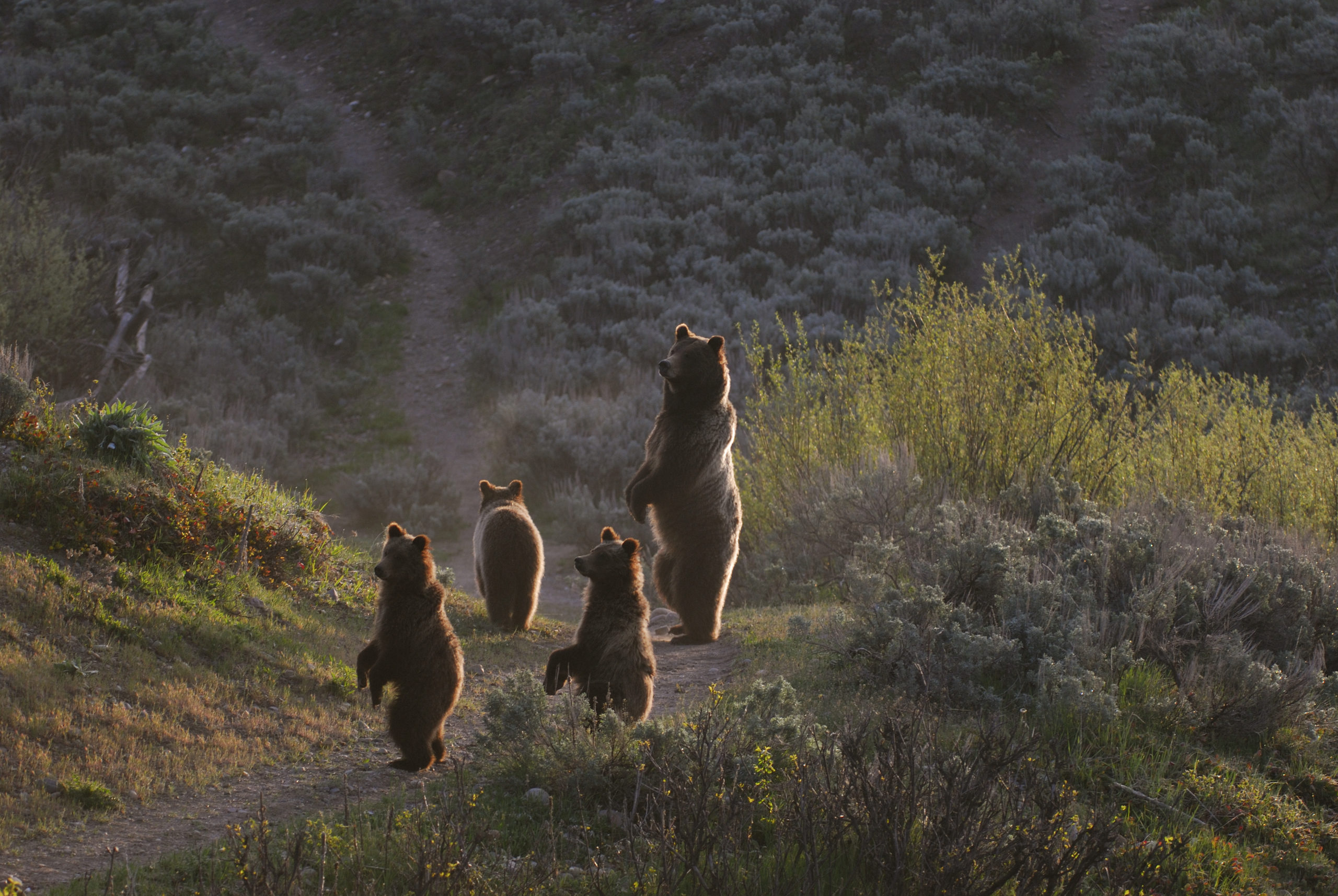
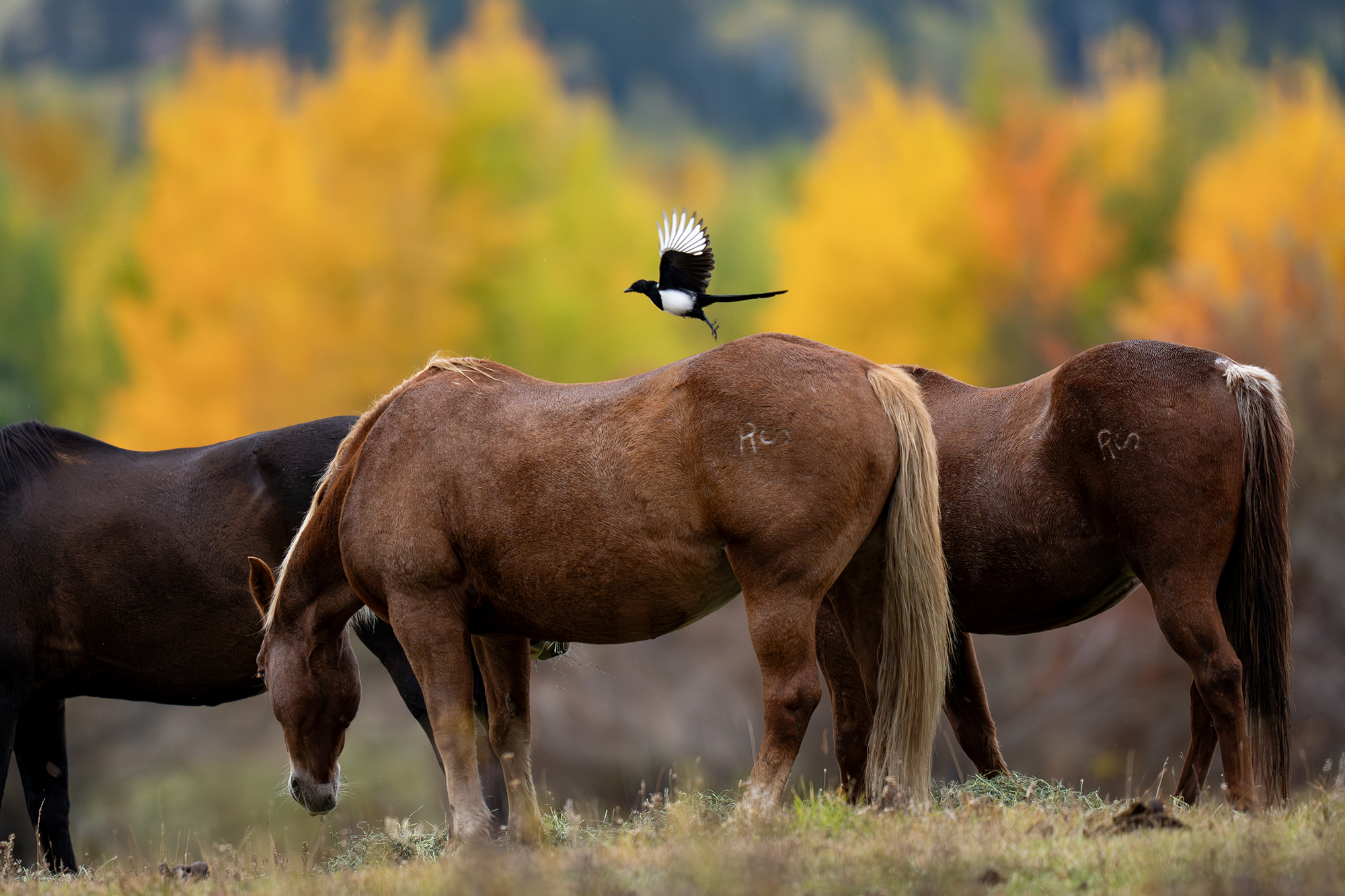
One of the highlights of any nature photography workshop in Grand Teton National Park is the opportunity to photograph a wide variety of wildlife in their natural habitat. The Tetons are known for their rich ecosystem, offering photographers consistent chances to observe and capture animals throughout the fall season.

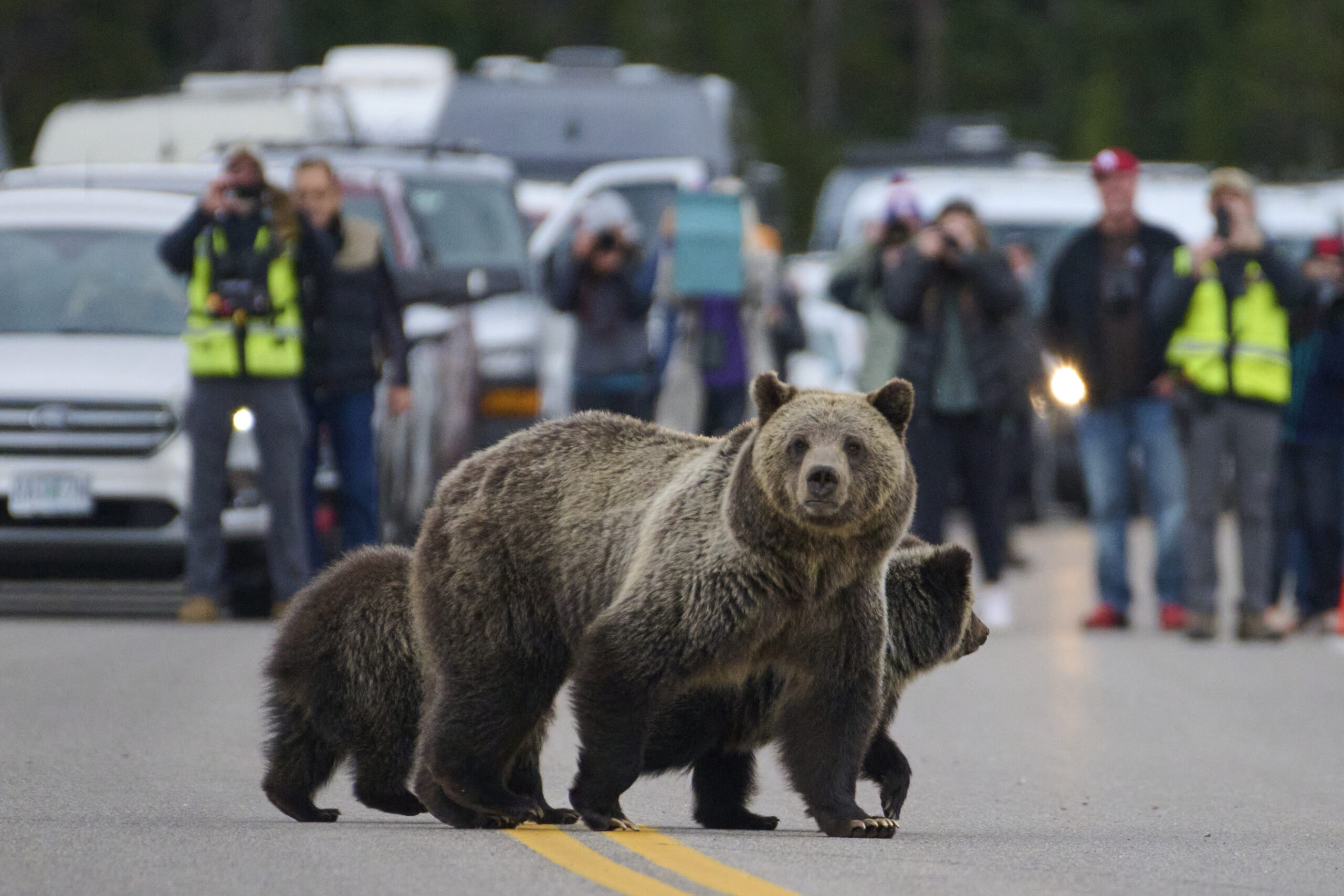
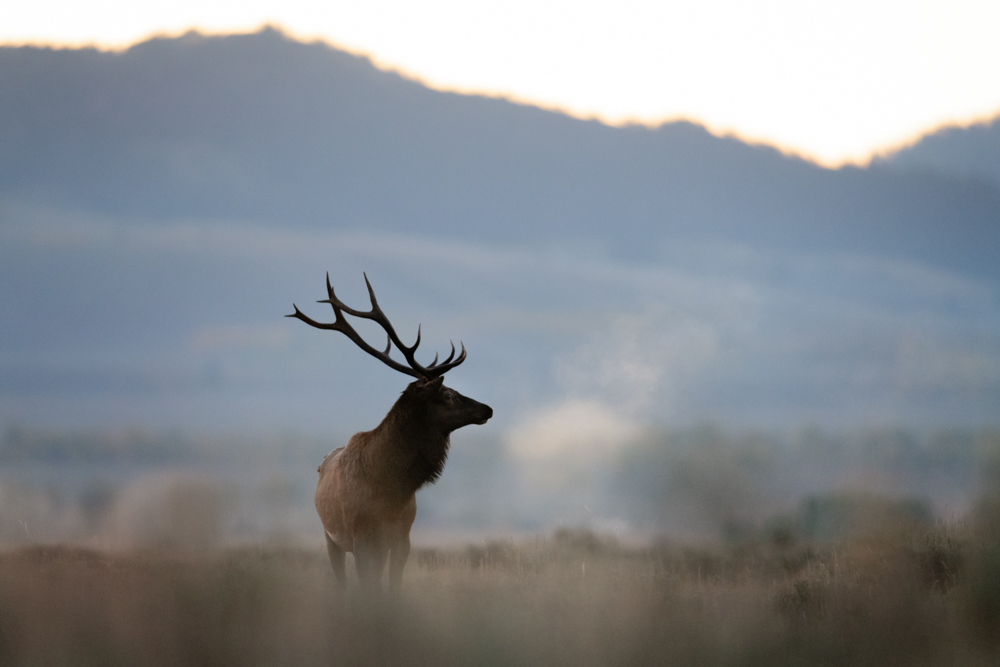
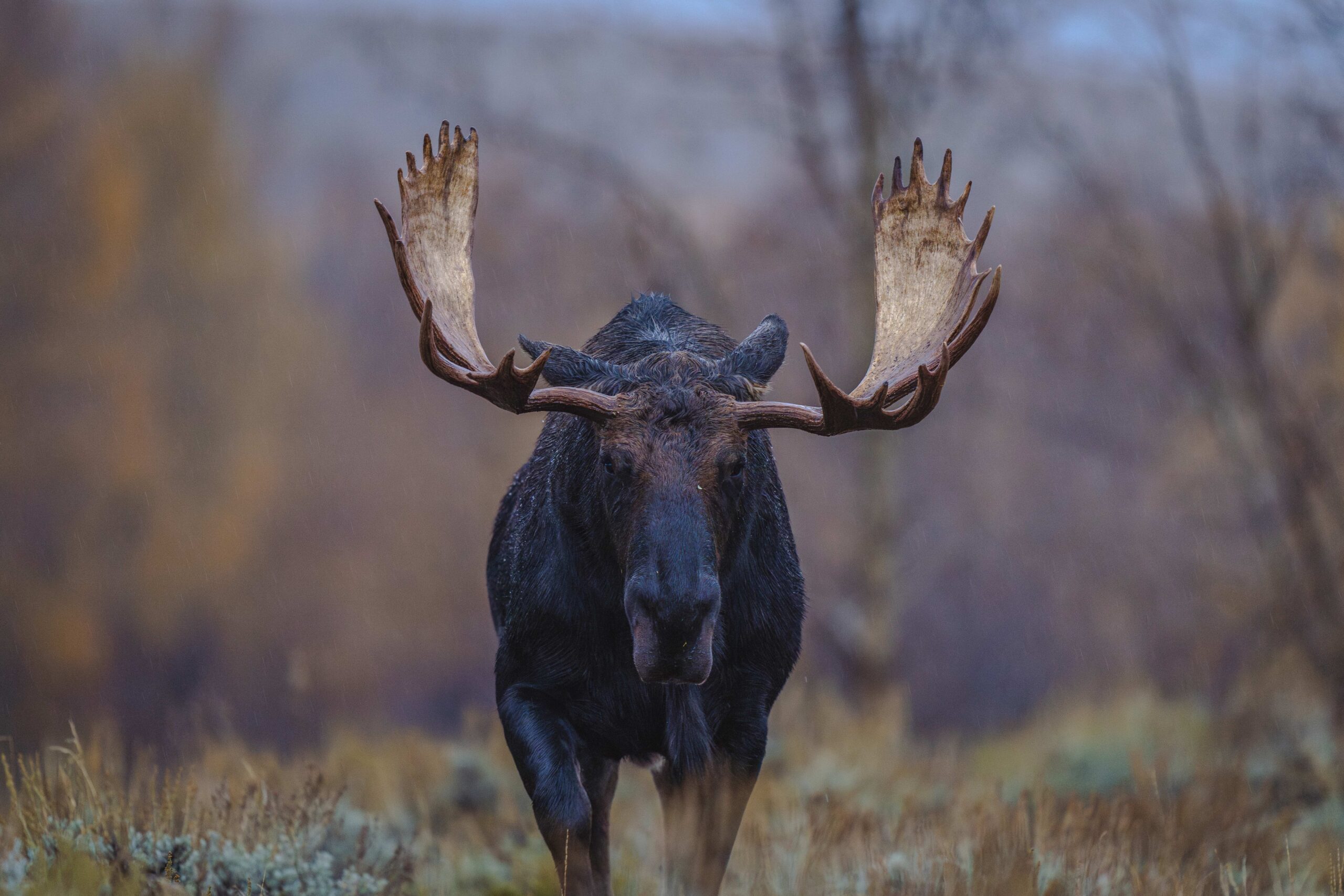
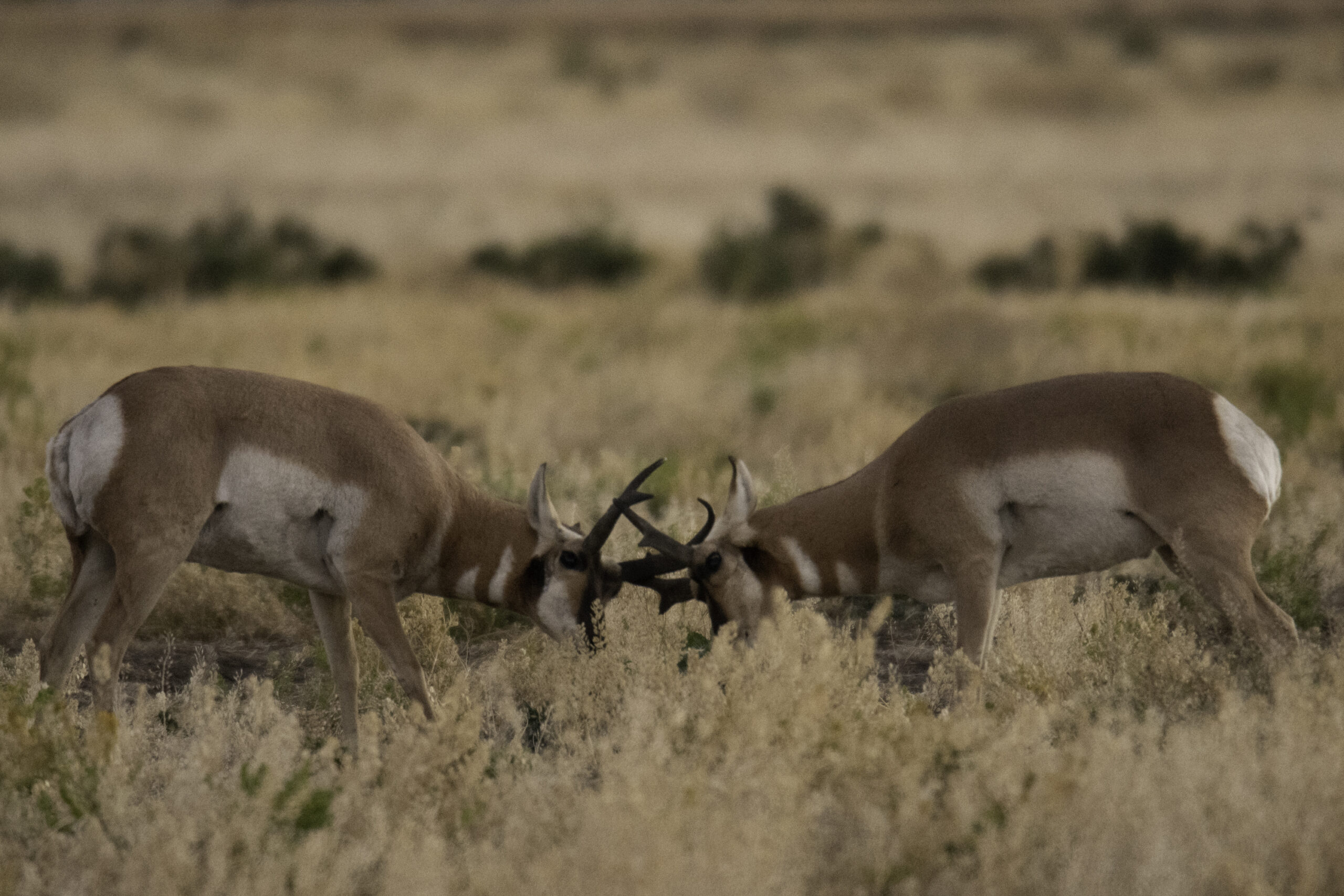
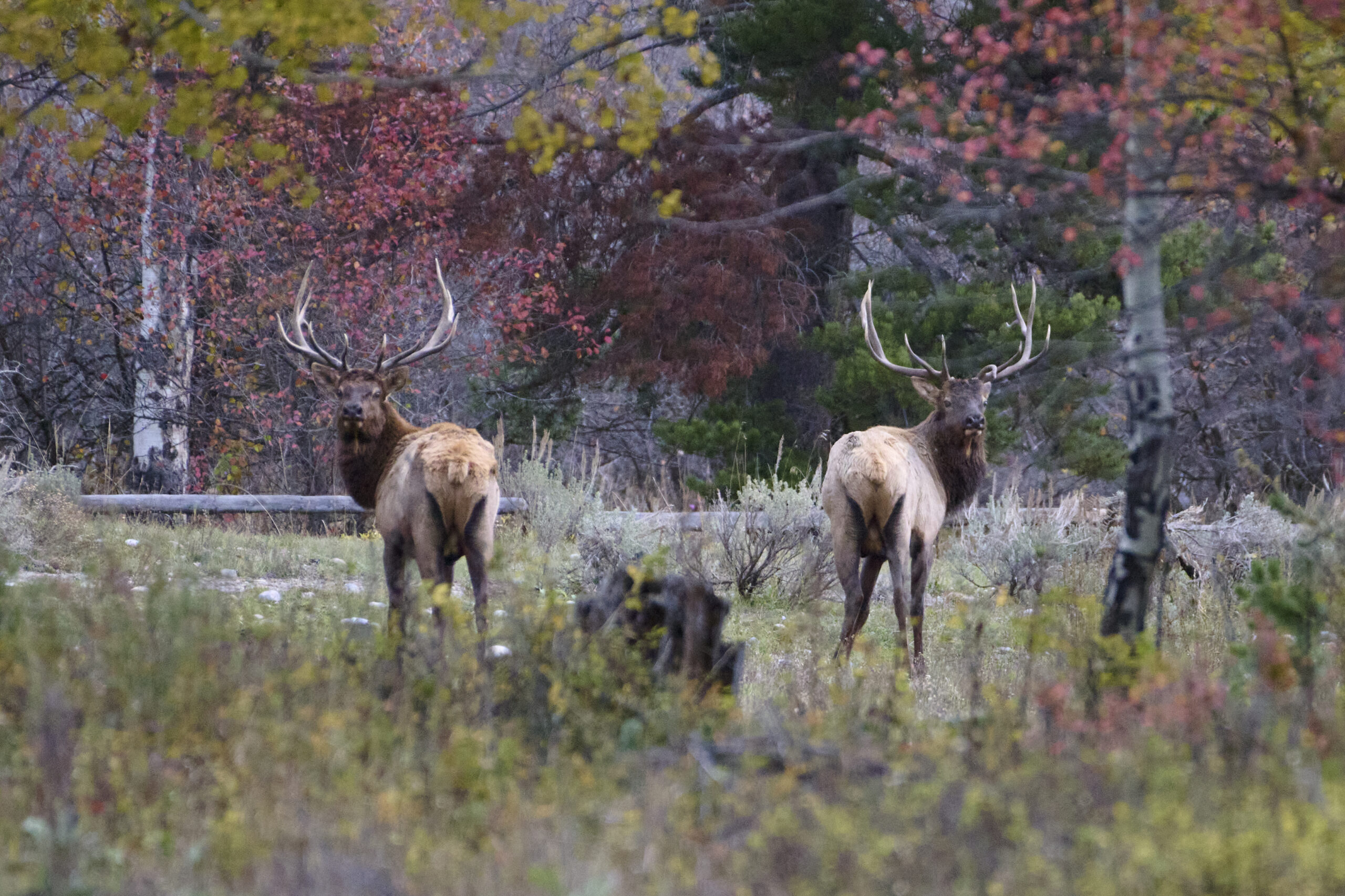
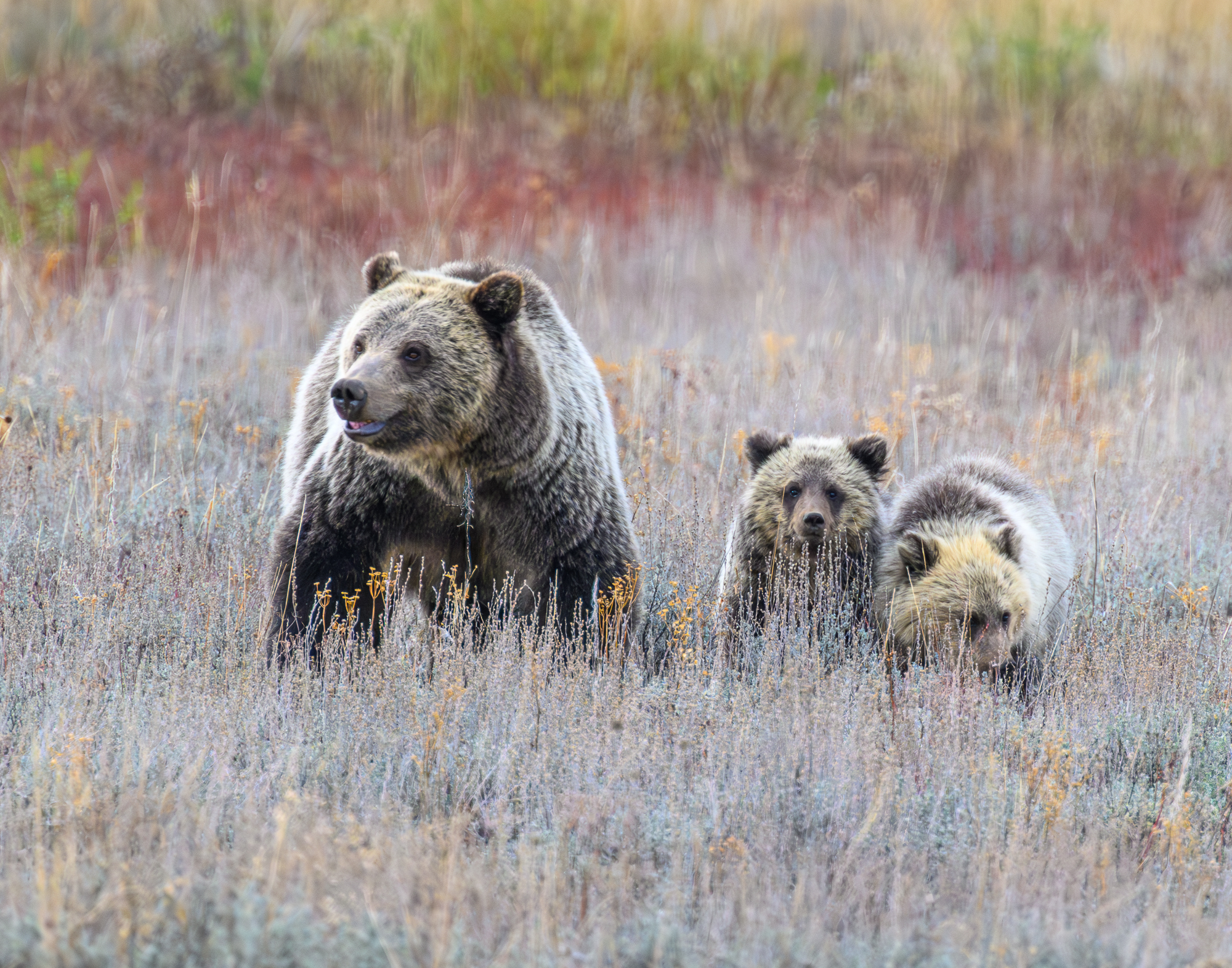

During the workshop, photographers often encounter moose in wetland areas, elk during the fall rut, and bison moving across open plains with the mountains rising behind them. You may also see pronghorn antelope, foxes, and, on occasion, black bears or grizzlies, all providing unique and rewarding wildlife photography opportunities.

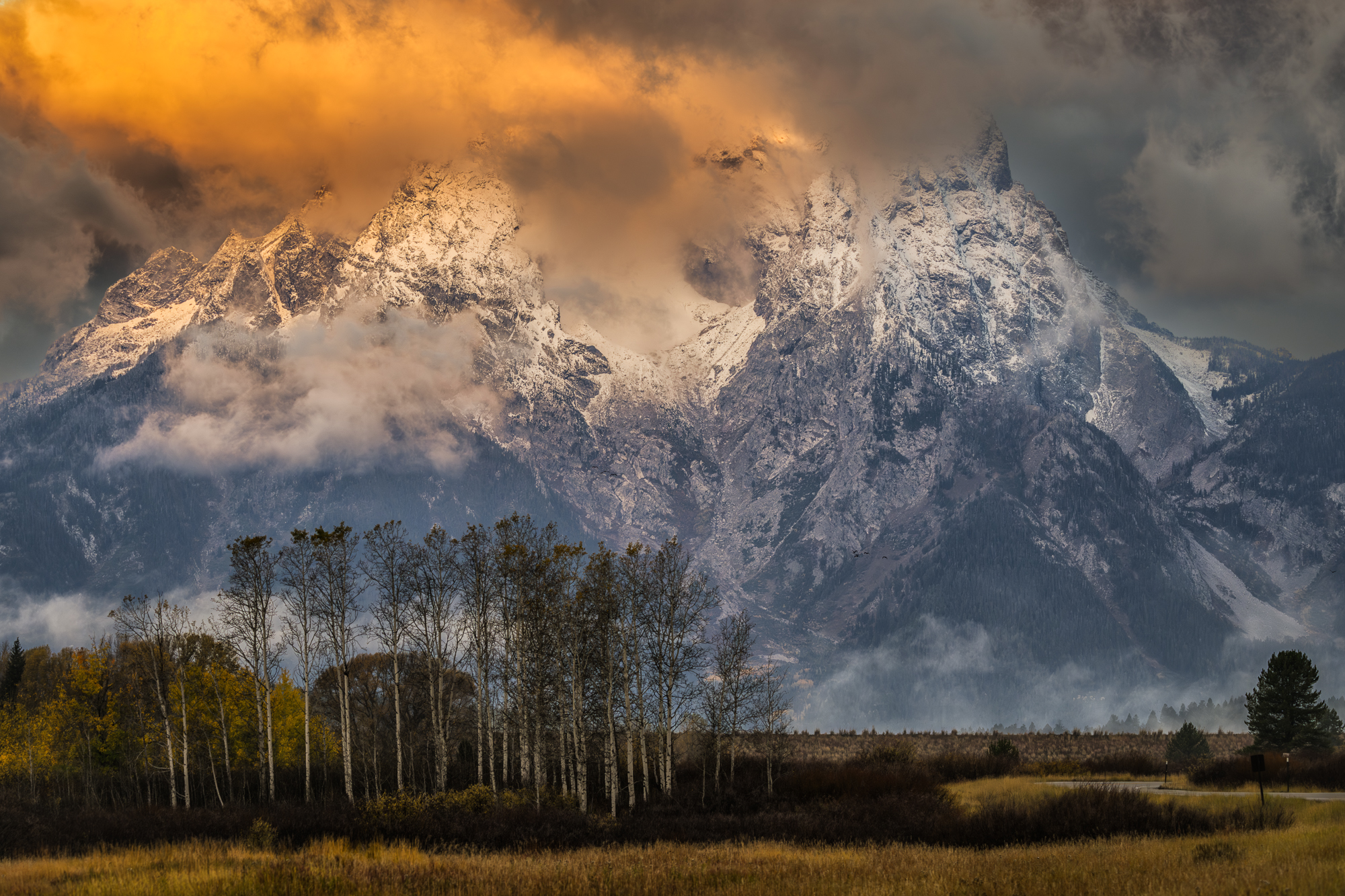
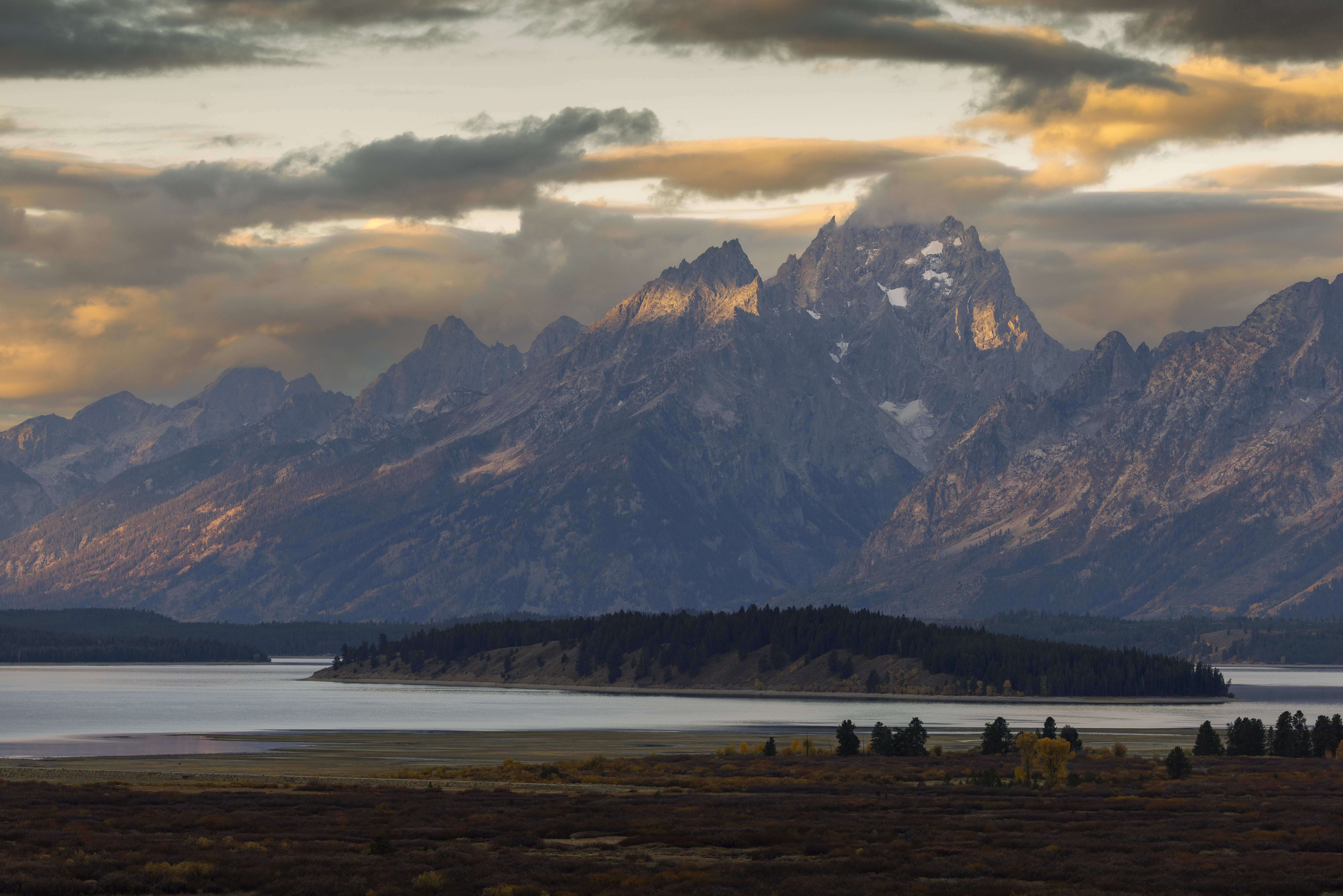
What makes wildlife photography in the Tetons especially compelling is the combination of behavior and environment. Animals are often active during this time of year, and the fall landscape adds layers of color, texture, and atmosphere to every scene. Morning fog, backlit grasses, and dramatic weather can transform even a simple sighting into a powerful image.

At Summit Nature, we approach wildlife photography with patience and intention. Rather than rushing from place to place, we spend time observing behavior, understanding light, and positioning ourselves to create meaningful images. This thoughtful approach not only leads to stronger photographs, but also a deeper appreciation for the wildlife and landscapes that make this region so special.

Whether you’re new to wildlife photography or looking to refine your skills, the Tetons offer an ideal environment to learn, practice, and grow.

At Summit Nature You Will

Master a diverse set of photography skills

Master a diverse set of photography skills

Learn landscape photography, wildlife photography, macro photography, and even light painting—all in one immersive workshop. From capturing the beauty of vibrant fall colors to the magic of night skies, you'll grow as a versatile photographer.

Learn from top nature Photographers

Learn from top nature Photographers

Get one-on-one guidance from expert photographers, many of them members of the International League of Conservation Photographers. You'll gain insights on how to use your imagery and storytelling to inspire conservation and environmental action.

Shoot in Stunning Natural Settings

Shoot in Stunning Natural Settings

Be immersed in breathtaking scenery, from iconic wildlife to sweeping landscapes. With hands-on mentorship, you’ll have the opportunity to capture awe-inspiring photos while networking with industry professionals and passionate photographers like yourself.

Workshop Itinerary

Each day at Summit Nature is shaped by light, weather, and the ever-changing conditions of the Grand Teton National Park. Our itinerary is designed to be flexible, allowing us to spend as much time as possible in the field photographing wildlife, landscapes, and the moments that unfold naturally around us. Below is a general outline of what a typical week looks like, with a balance of field sessions, instruction, and time to review and refine your work.

Please note that the final workshop schedule will be provided one month prior to the event. 

  • 9:00 AM: Classroom Opens
  • 9:30 AM: Check-in
  • 10:00 AM: Overview / Introductions
  • 11:00 AM: Jim Richardson Presentation
  • 12:00 - 2:00 PM: Lunch Break
  • 2:00 PM: Dave Showalter Presentation
  • 3:30 - 5:30: Portfolio Reviews
  • 7:00 - 9:00 PM: Opening reception
  • 6:00 - 10:00 AM: On-location shooting with faculty
  • 10:00 AM: Classroom opens for downloading/editing
  • 10:30 - 11:30 AM: Steven Bedard presentation
  • 11:30 AM - 1:30 PM: Lunch break & editing
  • 1:00 PM: Images due!
  • 1:30 PM: Michael Forsberg “Into Whooperland”
  • 2:30 PM: Image critique
  • 5:00 PM: On-location shooting
  • 6:00 - 10:00 AM: On-location shooting with faculty
  • 10:00 AM: Classroom opens for downloading/editing
  • 10:30 AM: Morgan Heim “Finding Your Way”
  • 11:30 AM - 1:30 PM: Lunch break & editing
  • 1:00 PM: Images due!
  • 1:20 - 2:40 PM: Portfolio Reviews
  • 3:00 PM: Image critique
  • 5:00 PM: Depart for on-location shooting
  • 6:00 - 10:00 AM: On-location shooting with faculty
  • 10:00 AM: Classroom opens for downloading/editing
  • 10:30 AM: Entering Photo Contests with Allen Murabayshi, Melissa Groo & Morgan Heim
  • 12:00 - 1:30 PM: Lunch break & editing
  • 1:00 PM: Images due!
  • 1:30 PM: Presentation with Mariah Lundgren
  • 2:30 PM: Images critique
  • 5:00 PM: Depart for on-location shooting
  • 6:00 - 10:00 AM: On-location shooting on your own!
  • 10:00 AM: Classroom opens for downloading/editing
  • 11:30 AM - 1:00 PM: Lunch break
  • 1:00 PM: Images due!
  • 1:00 PM - 2:20 PM: Portfolio Reviews
  • 2:30 PM: Image critique
  • 4:00 PM: Storytelling challenge critique
  • 5:00 PM: Instructor Roundtable
  • 6:00 - 8:00 PM: Closing reception

What Past Students Say

I have only one regret with attending the Summit workshop - and it is a fairly significant one: I regret not doing it years sooner. Making connections is one of my chief reasons for coming, but I did not fully anticipate the sense of belonging that I would feel. The sense of finding my place. It is a newfound ambition to remain a part of this community. The knowledge and cumulative experience of the faculty is only matched by their freely sharing of it. I would pay just to sit and listen to Jim Richardson's stories for hours, and the one-on-one time with him and all the other faculty members was priceless. I expected to learn a lot. I did not expect to feel so moved.
Graham Gerdeman
2024 Participant
The caliber of the faculty was/is outstanding. But, more than that, each of the instructors was able to meet me, as a beginning photographer, where I was. They were so open, encouraging and gracious despite the fact I didn't know how to manage my camera's ISO or shutter. Heck, I didn't even realize I could turn the screen around at the back of my camera to have faster access to my menu. (Thank you, Michael!). My head is exploding from all that I learned and, even though I was incredibly anxious, everyone helped and made me feel like it might be possible for me to capture a good photo. Luckily, the participants were nice, too; but that's not in Summit's control.
Vivien Zepf
2024 Participant
Feedback from the instructors is priceless. Mike and Dave both helped me in finding a direction to move forward with, in my photography. As always, I am very pleased with how Summit as awhile presents itself and delivers on their workshops. The community that it creates is stellar and hard to find elsewhere. I have suggested to the few photography friends that I have to attend the nature workshop. A special thanks to Chris, Matt, Meg and Ben for all of the hard work put in to make this workshop work so well.
Chris Volpe
2024 Participant
Simply stated, if you want to improve your photography, Summit is the way. With hands on instructors in amazing locations, Summit always delivers the best experiences
Rick Tackett
2025 Participant
Such a great way to meet other photographers of all standards and learn from each other, everyone had stories and ideas to share.
Malcolm Snelgrove
2024 Participant
I had an excellent time at the workshop. Chris, the photography instructors and the technical staff went out of their way to answer questions and provide advice and assistance whenever necessary. Conversations were straightforward and clear — no ‘fuzz’ and no confusion. Very enjoyable and well worth repeating on future workshops.
Thomas Rorex
2023 Participant

Learn from World-Class Wildlife Photographers

Jim Richardson headshot
Workshop Faculty

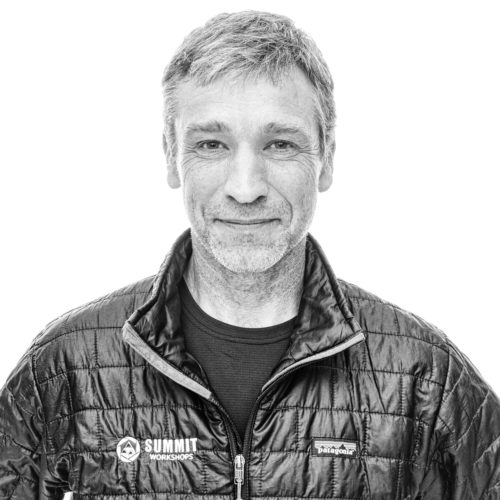
Jim Richardson

Michael Forsberg Portrait session for Nebraska Luminaries Project
Workshop Faculty

Michael Forsberg

Melissa Groo headshot
Workshop Faculty

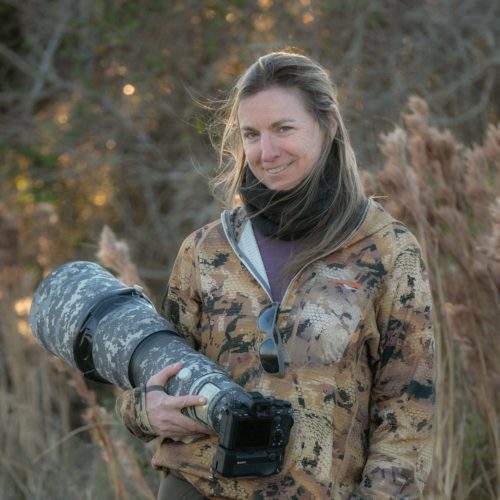
Melissa Groo

morgan_heim
Workshop Faculty

Morgan Heim

Dave Showalter headshot
Workshop Faculty

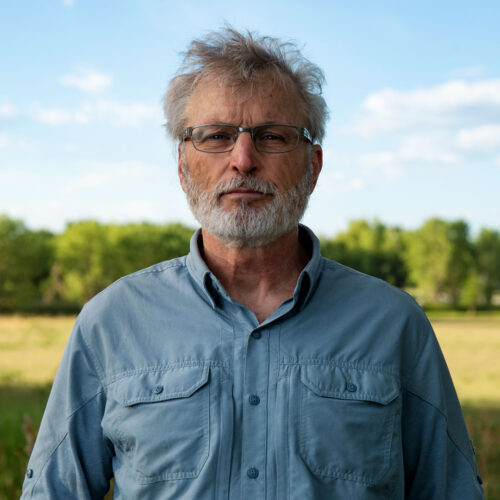
Dave Showalter

Workshop Faculty

Mariah Lundgren

Allen Murabayashi

Owner / Director

Chris Steppig

Faculty / Staff

Matt Stirn

Workshop Faculty

Jim Richardson

Jim Richardson is a photographer for National Geographic Magazine and a contributing editor for its sister publication, TRAVELER Magazine. Richardson has photographed more than fifty stories for National Geographic. Richardson’s work has taken him around the world, from the tops of volcanic peaks to below the surface of the soil that provides our food, from the Arctic to the Antarctic and many places in between. ABC News Nightline produced a story about the long process of assembling a National Geographic coverage by following Richardson in the field and at National Geographic Society headquarters in Washington, D.C. In addition to his color photography, Richardson has built a distinguished body of black-and-white documentary work about rural Kansas life.  His audiovisual presentation, “Reflections From a Wide Spot in the Road,” has toured internationally.  His 40 years of photographing life in the Kansas town of Cuba, population 230, was published in National Geographic and featured twice by CBS News Sunday Morning, most recently in May 2004.   His 1979 study of adolescence, “High School USA,” is now considered a photo essay classic and is used in college classrooms. Richardson was named Kansan of the Year in 2007 by the Native Sons and Daughters of Kansas.  In 2015 he was honored by his fellow National Geographic photographers as their “Photographer’s Photographer.” And in 2017 Kansas State University bestowed an honorary doctorate for his work in cultural and environmental communications. He is co-founder of Eyes On Earth, an educational collaborative seeking to inspire next generation environmental photographers. Jim’s career at National Geographic magazine and National Geographic Traveler spanned over 35 years, during which time he produced over 50 stories.  His stories ranged from poignant location based essays to complex scientific and geographical issues coverage. He’s valued for his compelling storytelling and his deft command of technical skills. Beyond his picture making he’s also highly regarded as a presenter and teacher. His lectures draw corporate clients to international venues. His topics ranged widely from world food, small towns and light pollution to include his much sought after whisky tastings. Whether discussing documentary, landscape, night sky or iPhone photography, he brings a down-to-earth practicality to his lectures that is as enjoyable as it is instructive.
Workshop Faculty

Michael Forsberg

Michael Forsberg is a Nebraskan whose 30-year career as a photographer and conservationist has been dedicated to wildlife and conservation stories in North America’s Great Plains, once one of the greatest grassland ecosystems on Earth. His images have been featured in publications including Audubon, National Geographic, Nature Conservancy, and Sierra magazines. His fine art prints are in public and private collections, and his solo exhibitions have traveled nationwide.

In 2017, Mike received the Ansel Adams Award for Conservation Photography from the Sierra Club in Washington, DC, and the Environmental Impact Award from the North American Nature Photography Association. Also, in 2017, his image of sandhill cranes on the Platte River was selected to illustrate USPS’s Forever stamp celebrating Nebraska’s 150 years of Statehood. In 2000, his photograph of a Nebraska tallgrass prairie was issued as an international airmail stamp in the United States Postal Service’s American Scenes Series. In 2020, Mike received the J. Sherwood Chalmers Medal from The Garden Club of America.

Mike is the author and photographer of On Ancient Wings – The Sandhill Cranes of North America, self-published in 2005, Great Plains – America’s Lingering Wild, published by the University of Chicago Press in 2009 and Into Whooperland – A photographer’s journey with whooping cranes, self-published in 2024. He was featured in the Nebraska Public Media documentary Crane Song and co-produced Great Plains – America’s Lingering Wild, based on his book of the same title, released on PBS in 2013.

In 2011, Mike co-founded Platte Basin Timelapse (PBT) in partnership with the University of Nebraska–Lincoln and Michael Farrell Photography and Fine Art. Today, it is a conservation storytelling project that informs scientific research, builds educational content, and tells stories of a Great Plains watershed in motion. The documentary Follow the Water, based on the project and Mike’s traverse across the Platte Basin watershed, was released on PBS nationally in 2019.

Mike is a faculty member in the School of Natural Resources at the University of Nebraska–Lincoln, a Fellow with the Center for Great Plains Studies and the Daugherty Water for Food Institute, a member of The Photo Society, and a Senior Fellow with the International League of Conservation Photographers.

Workshop Faculty

Melissa Groo

Melissa is a photographer, writer, and conservationist. She considers herself a “wildlife biographer,” telling stories with images and words that showcase the unique character and beauty of wild beings.

She’s a Sony Artisan of Imagery, an Associate Fellow with the International League of Conservation Photographers, and advisor to the National Audubon Society on photography content and ethics. She’s a contributing editor to Audubon magazine.

Melissa is an assignment photographer for Audubon and Smithsonian magazines, traveling far afield to cover conservation stories. Her work also appears in publications such as National GeographicNational Wildlife, and Living Bird magazines. Melissa is represented by National Geographic Image Collection and has a long-term gallery at Audubon Greenwich in Connecticut.

Workshop Faculty

Morgan Heim

Morgan (Mo) Heim raises a camera for one purpose – to capture moments in an animal’s life that will make us consider what that life means. Inevitably, those stories involve people as much as wildlife. How we treat them. Why we need them. What we love, or hate about them. Mo, used to work as a wildlife ecologist for NOAA on things like killer whale surveys and the Elwha Dam Removal project. She later earned a Master’s in environmental journalism and is a senior fellow of the International League of Conservation Photographers (iLCP). She has covered endangered fishing cats and shrimp farm development, and the environmental impacts of marijuana grows in our nation’s forests. In 2016, she became a National Geographic grantee for her collaboration on urban coyotes. Her photographic work has appeared in outlets such as Smithsonian, Discover, NationalGeographic.com, Nature Conservancy Magazine, and bioGraphic.com.

Workshop Faculty

Dave Showalter

Conservation photographer and author Dave Showalter is based in Colorado and focused on the American West. Dave has published three books – the new book: Living River – The Promise Of The Mighty Colorado, Sage Spirit, The American West at A Crossroads by Braided River (2015); and Prairie Thunder by Skyline Press (2007). Dave’s photographs and articles have appeared in numerous publications, including Audubon, Conservation Biology, Outside, Outdoor Photographer, National Parks Magazine, High Country News, Wilderness, Colorado Life and elsewhere. In partnership with Braided River, Dave’s exhibit “Colorado: Sage Spirit and Roaring Rivers” was displayed at Denver International Airport 2018/2019 and viewed by over 2 million people. Dave is faculty with the Summit Series of Photo Workshops, a Senior Fellow Photographer in the International League of Conservation Photographers (iLCP), and works in partnership with numerous conservation groups, including Audubon Rockies, The Nature Conservancy, and Trout Unlimited Headwaters (Colorado River).

Dave travels extensively presenting Living River, Sage Spirit and a range of western topics. Please contact Dave directly through this site to plan a presentation, hire Dave for assignment, or plan a photo workshop.

Workshop Faculty

Mariah Lundgren

Mariah is a conservation storyteller, filmmaker and photographer. She is dedicated to telling stories within the Great Plains and the American West. She loves giving voice to the voiceless and telling stories that will help people better understand our natural world.

She is a graduate of the University of Nebraska–Lincoln with a BS in Environmental Studies, and a minor Fisheries & Wildlife. She is the producer & project manager for the Platte Basin Timelapse project; a long-term documentary project using time-lapse and traditional photography and multimedia storytelling to educate about the Platte River Basin and what it means to live in a watershed today. This project has taught her the art and importance of storytelling and science communication. She is also a photographers assistant with Michael Forsberg who is Senior Fellow with the International League of Conservation Photographers and is represented by National Geographic Creative.

Allen Murabayashi

Allen Murabayashi is the Chairman and Co-founder of PhotoShelter, the worldwide leader in photography portfolio websites, photo sales, marketing and archiving tools for photographers. Allen previously served as a founding employee and Senior Vice President of Engineering at HotJobs.com.

Owner / Director

Chris Steppig

Chris is the owner and director of Summit Workshops. Summit was his first job out of college and nearly 20 years later, this is home.  He is in charge of all workshop operations, scheduling, logistics, faculty, social media, marketing and sponsorship. Chris has a passion for conservation, travel, and education and the workshops are a dream platform to help others reach new heights as not only photographers but as people.

Chris is an affiliate of the International League of Conservation Photographers. The iLCP is a U.S. based non-profit whose mission is to further environmental and cultural conservation through ethical photography. This affiliation provides a tremendous opportunity to help deliver great content and also be an advisor on matters large and small.  He is also a professional advisor for Outdoor Photographer magazine.  Through collaboration and great communications with the editor of the magazine, there have been countless articles written by Summit Alumni in the magazine over the years.

Faculty / Staff

Matt Stirn

Matt is a photographer, writer, and archaeologist based between Boston and Jackson Hole, Wyoming. He holds a graduate degree in Environmental Archaeology and focuses on stories related to culture, history, and conservation. Matt is a Contributing Editor for Archaeology Magazine, a National Fellow at The Explorer’s Club and has written and photographed over three dozen feature stories for publications including Smithsonian Magazine, National Geographic, The New York Times, BBC Global News, and GEO.

Workshop Information

*Summit Workshops is an Authorized Permittee of the National Park Service*

Getting there

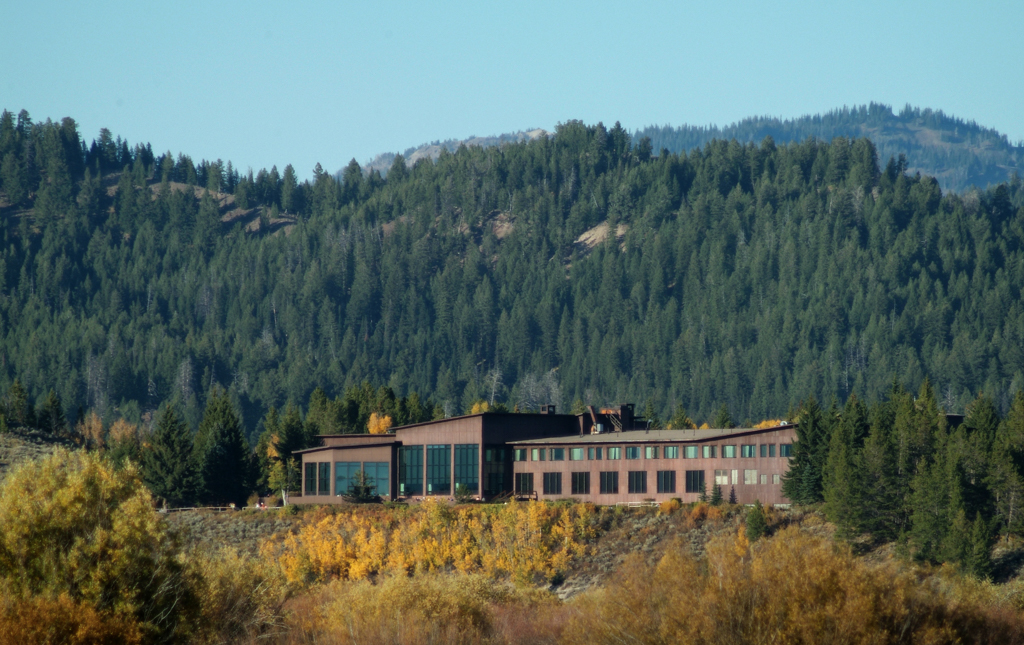
Our workshop is based at Jackson Lake Lodge, located inside Grand Teton National Park. The nearest airport is Jackson Hole Airport, which is approximately a 45-minute drive from the lodge.

If you’re flying in, we recommend arriving on the first day of the workshop with enough time to travel to the lodge before our evening welcome session. We’ll be in touch ahead of time to help coordinate arrival and departure timing, and many participants choose to share rental cars. While having a car is not required, it does make getting around the park much easier.

Getting around the park

Much of our time is spent out in the field photographing throughout the park. We typically travel short distances between locations, often at sunrise and sunset when light and wildlife activity are best. If you do not have a vehicle, we will help coordinate ride-sharing with other participants during field sessions.

Health & Fitness

This workshop is designed to be accessible to a wide range of photographers. Most shooting locations are reached by short walks from parking areas, and we do not require strenuous hiking. If you have specific concerns about mobility or accessibility, feel free to reach out. We’re happy to help you determine if this workshop is a good fit.
That said, you should be comfortable:

  • Standing for extended periods
  • Walking on uneven terrain such as dirt trails, grass, or rocky areas
  • Being outdoors in cool early morning and evening conditions

What to Pack

Late September in the Tetons brings a mix of conditions. Mornings can be cold, often near freezing, while afternoons are typically mild and comfortable. Weather can change quickly, with sun, clouds, wind, and occasional rain all possible in a single day.

CLOTHING:

  • Warm layers (thermal base layers, fleece, insulated jacket)
  • Windproof and waterproof outer layer
  • Hat, gloves, and warm socks
  • Comfortable, weather-appropriate footwear
  • Formal attire for welcome and closing receptions (optional)

OTHER:

  • Pack for carrying gear in the field
  • Flashlight and/or headlamp (red)
  • Water bottle
  • Energy bars or other snacks
  • Sunscreen and sunglasses

PHOTOGRAPHY GEAR:

  • 2 camera bodies
  • Wide angle lens
  • Medium zoom lens
  • Telephoto lens (ideally 400mm–800mm range)
  • Tripod or monopod (optional, depending on preference)
  • Camera bag
  • Extra batteries and chargers
  • Laptop or tablet 
  • Memory cards
  • Hard drive

Sony Gear

We are proud to partner with Sony, giving students the unique opportunity to experience some of the latest professional camera bodies and lenses in the field during the workshop. Throughout the week, participants can check out Sony gear to test and use in real shooting conditions across Grand Teton National Park. This hands-on access allows you to explore new equipment, refine your technique, and see how different tools can impact your creative results, all while receiving guidance from our instructors in real time.

Past Student Work

Frequently asked questions

Wildlife sightings vary, but common subjects include moose, elk, bison, and pronghorn. Occasionally, photographers may also encounter foxes or bears. Every week is different, which is part of what makes photographing the Tetons so exciting.

No! Summit Workshops is available to any photographer, regardless of what brand of camera you use. We often have camera gear available to borrow, free of charge, but you are not required to use that gear or any specific brand. 

Tuition includes activity fees, location fees, all instruction, planning and logistics. It does not cover hotels, travel, and most meals. 

This nature photography workshop in Grand Teton National Park is open to all skill levels. Whether you are a beginner looking to build a strong foundation or an experienced photographer refining your vision, our instructors provide personalized guidance in the field.

Our image critiques are constantly mentioned as being the most important/valuable component of our workshops. It's not only a chance to get your work reviewed, but also to see your peers' images. It is not structured as a competition, but a growth experience. So do not feel it has the be your best of the best or how it might stack up to others. You get to hear the opinions of the faculty and everything you will hear from them is 100% meant to help you. They are also anonymous and meant to be constructive and useful to your professional growth.

We ask each student to submit 3-5 images taken while at the workshop. We typically send the link out the afternoon before the image critique, which gives you the evening to get your images in.

A car isn’t required, but it’s definitely recommended. Having your own vehicle makes it much easier to get around during the workshop and explore the park between sessions. If you don’t have one, we’ll pair you up with another participant for our on-location shoots around Grand Teton National Park.

If you’re flying in, please note that Jackson Lake Lodge is about 45 minutes from the airport. We’ll be in touch ahead of time to help coordinate arrival and departure times so transportation runs smoothly.

Lodging & Classroom

We will be staying inside the Grand Teton National Park, staying at the iconic Jackson Lake Lodge. With stunning views, a restaurant, coffee shop, and shopping right on-site, you’ll be at the heart of the action, surrounded by breathtaking landscapes and wildlife just steps away. We’ve secured discounted rates for students of the workshop, making it easier than ever to immerse yourself in this unforgettable experience. This is where the workshop classroom is located and where the faculty and staff will be staying! 

After signing up, please contact Chris at chris@summitworkshops.com to get your booking secured.  

Jackson Lake Lodge in the Grand Teton National Park

Join Us in Grand Teton National Park

Spend five days immersed in the landscapes and wildlife of Grand Teton National Park, learning alongside passionate photographers and experienced instructors. From early morning light to quiet moments in the field, this workshop is designed to help you grow creatively while experiencing one of the most inspiring places in the country.

Spaces are limited and this workshop fills quickly each year. Reserve your spot today and be part of a tradition that has brought photographers together in the Tetons for over 40 years!

Explore Our Other nature Workshops

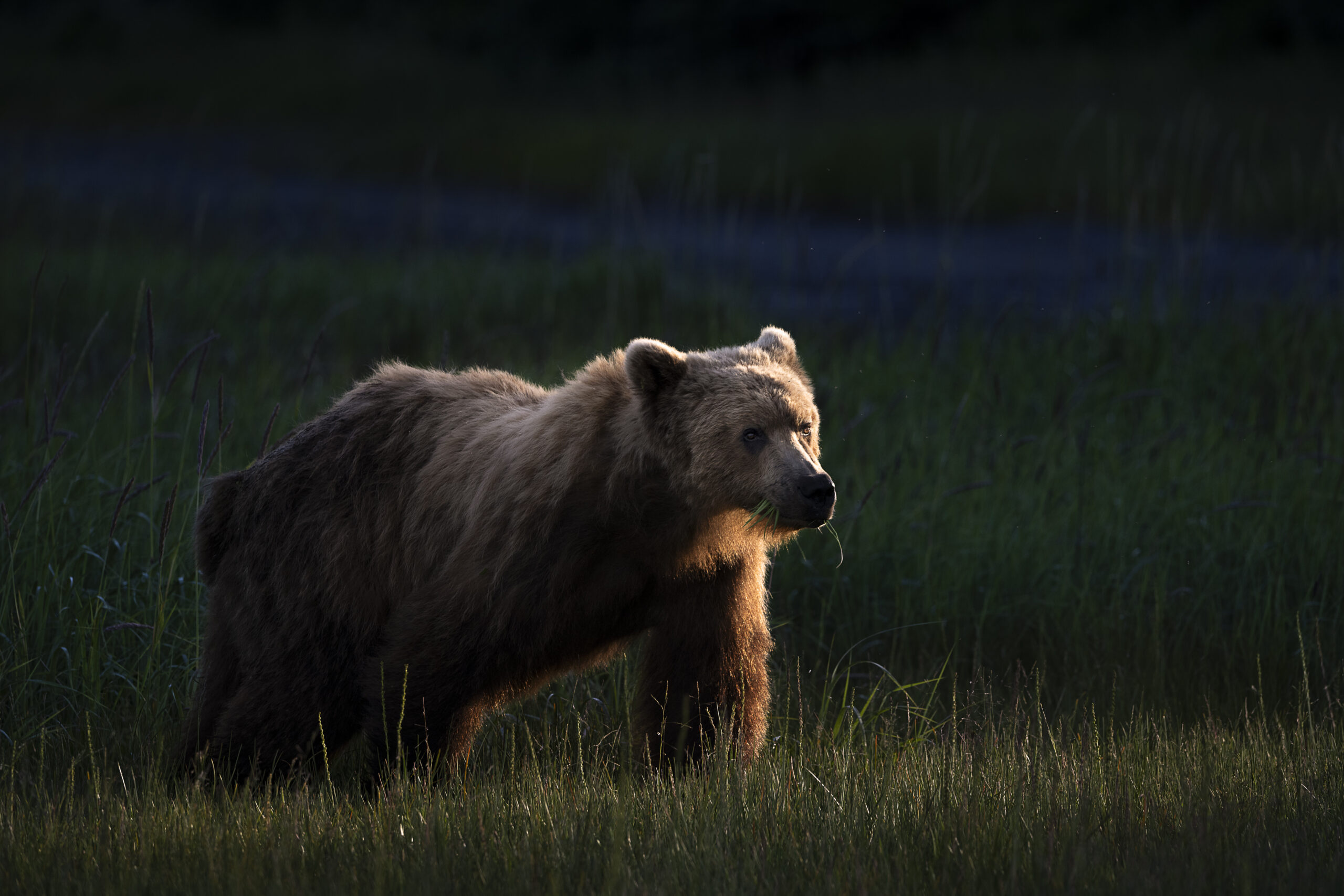
Alaska Wildlife Photography Workshop

Alaska Wildlife Photography Workshop

Photograph bears, glaciers, and rugged coastal landscapes in one of the most remote and breathtaking wilderness areas in the world. This expedition is an immersive experience focused on wildlife encounters and dramatic natural light in the field.


July 23-28, 2026

Lake Clark National Park

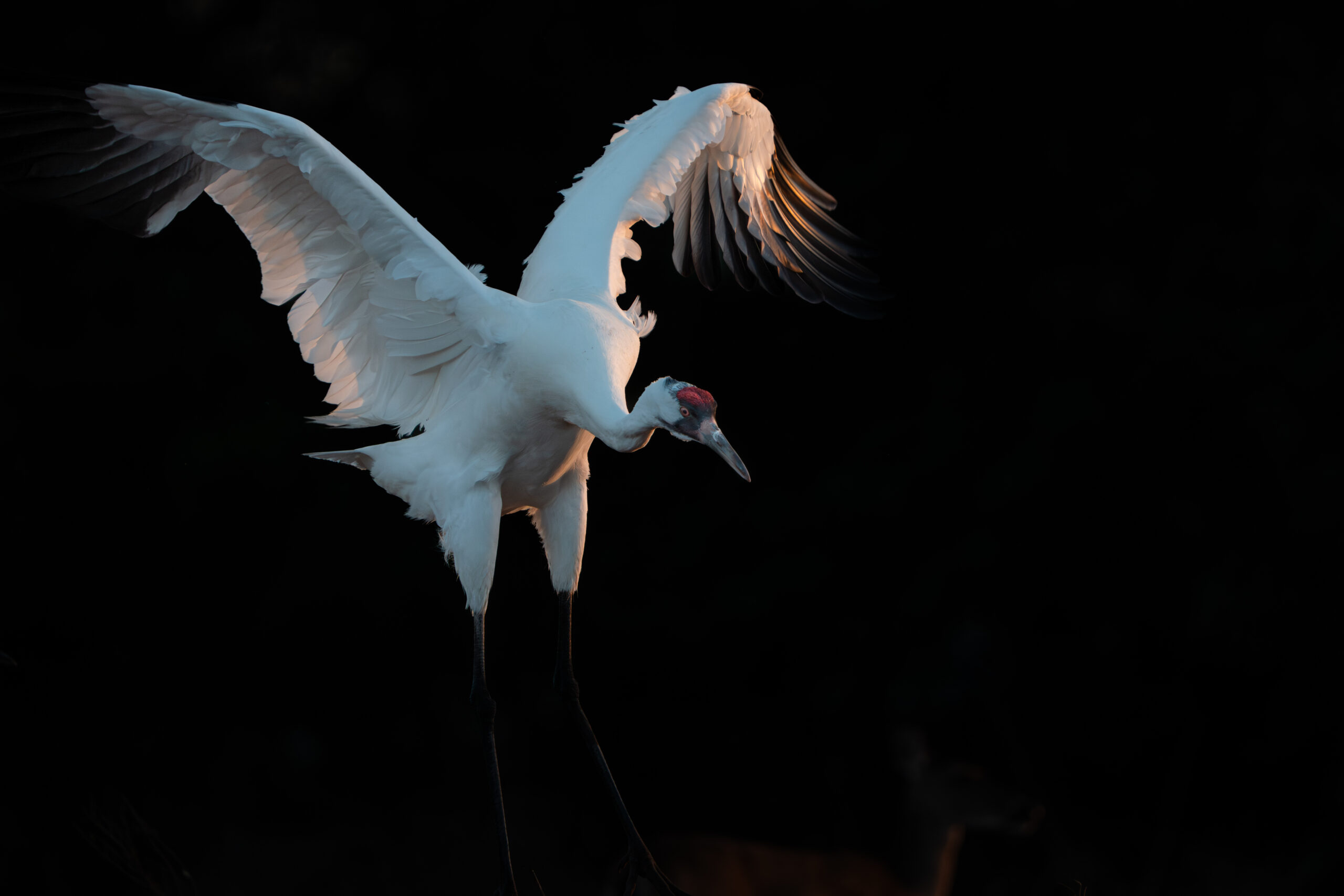
Gulf Coast Texas Whooping Crane Workshop

Gulf Coast Texas Whooping Crane Workshop

Join us along the Texas Gulf Coast to photograph the endangered whooping crane in its winter habitat. This workshop offers rare opportunities for intimate wildlife photography combined with coastal landscapes and bird behavior in the field.


February 17-20 or February 21-24, 2027

Gulf Coast, TX

Sandhill Crane Photography Workshop

Sandhill Crane Photography Workshop

Experience one of North America’s most incredible wildlife migrations as thousands of sandhill cranes gather along the Platte River. This workshop focuses on capturing motion, behavior, and sunrise silhouettes in a truly unique natural event.


March 18-21 or March 23-26, 2027

Kearney, NE

Our Workshop Partners

Summit Photography Workshop, Sony Alpha

Sony Alpha Universe

Sony Alpha Universe is here for the makers, the doers, the people who dream in colors. You bring your curiosity and ideas, we’ll provide the knowledge, the inspiration, and the state-of-the-art imaging tech to help you make dreams reality.

Westcott : Brand Short Description Type Here.
Lacie :
PhotoShelter :
Thinktank :
iLCP :
Manfrotto :
B&H :

Leave a Reply

Your email address will not be published. Required fields are marked *

This site uses Akismet to reduce spam. Learn how your comment data is processed.

Scroll to Top
Scroll to Top