Whooping Crane Photography Workshop in Texas
Photograph one of North America’s rarest birds along the Texas coast with expert instruction and unmatched access in the field.
A bird photographer's dream
February 17-20, 2027 | Aransas National Wildlife Refuge
Tuition: $3,995 | Deposit: $800
Deposit due upon registration, full tuition due 120 days before the workshop. Workshops limited to 7 participants.
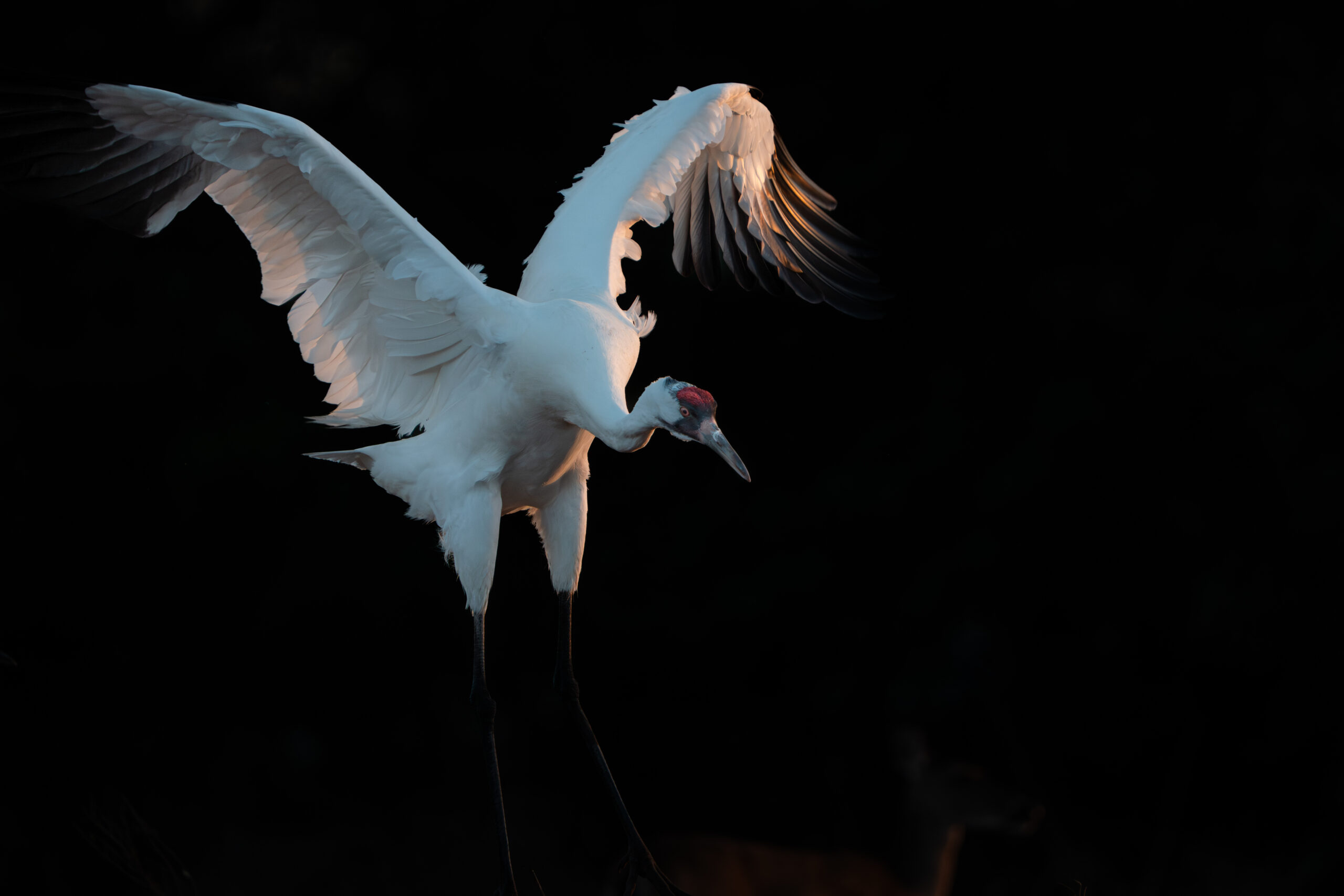
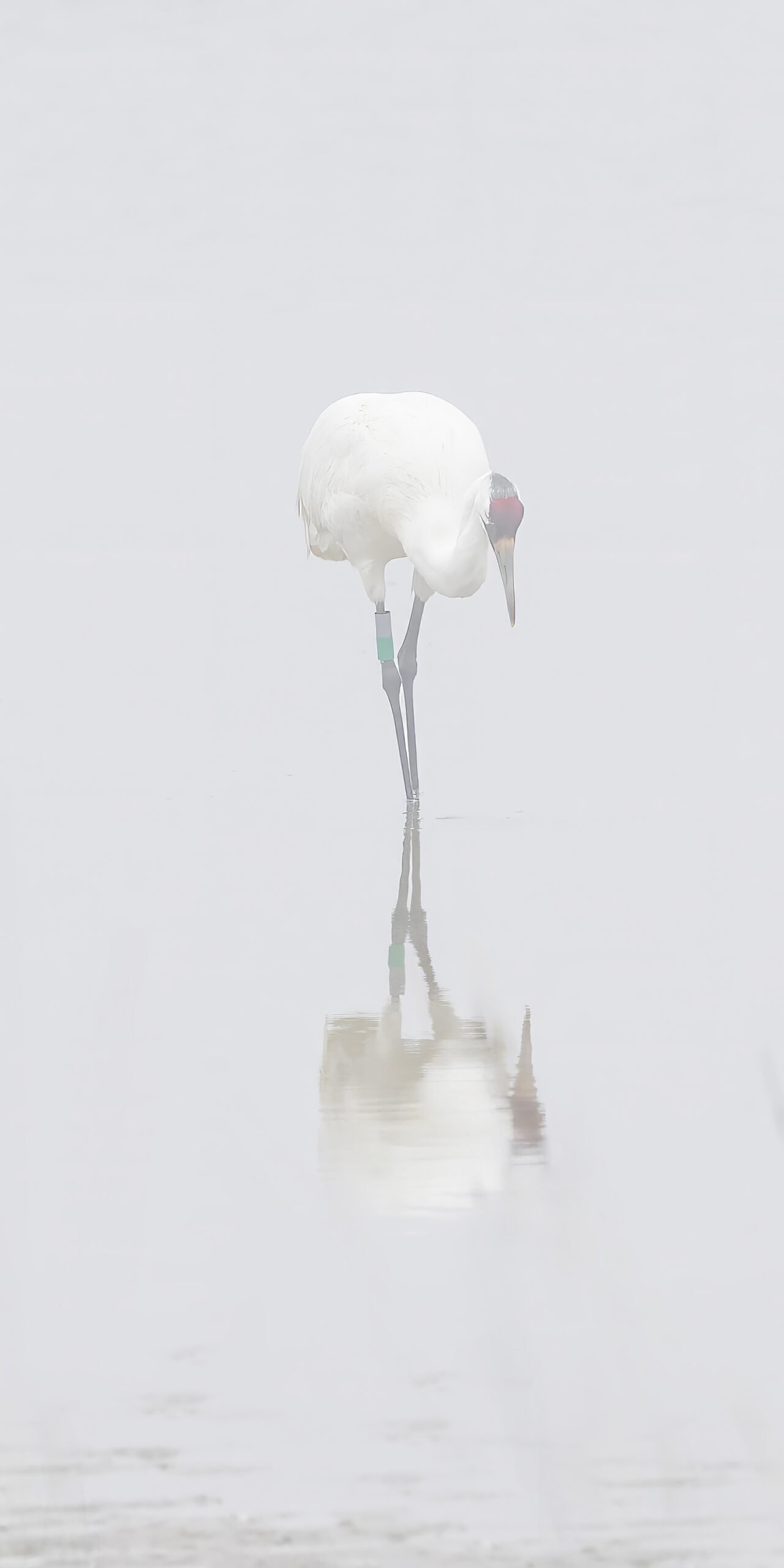
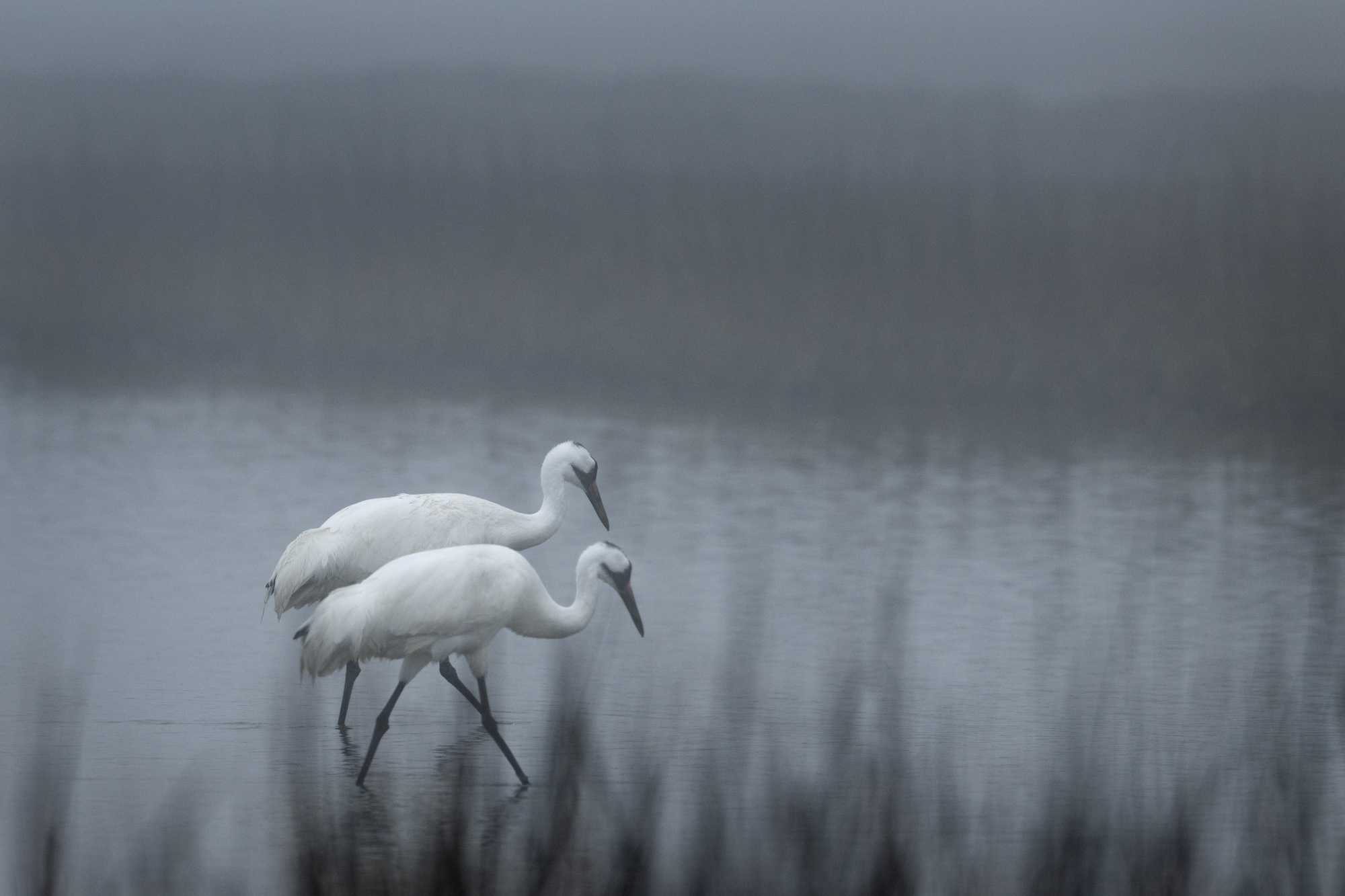
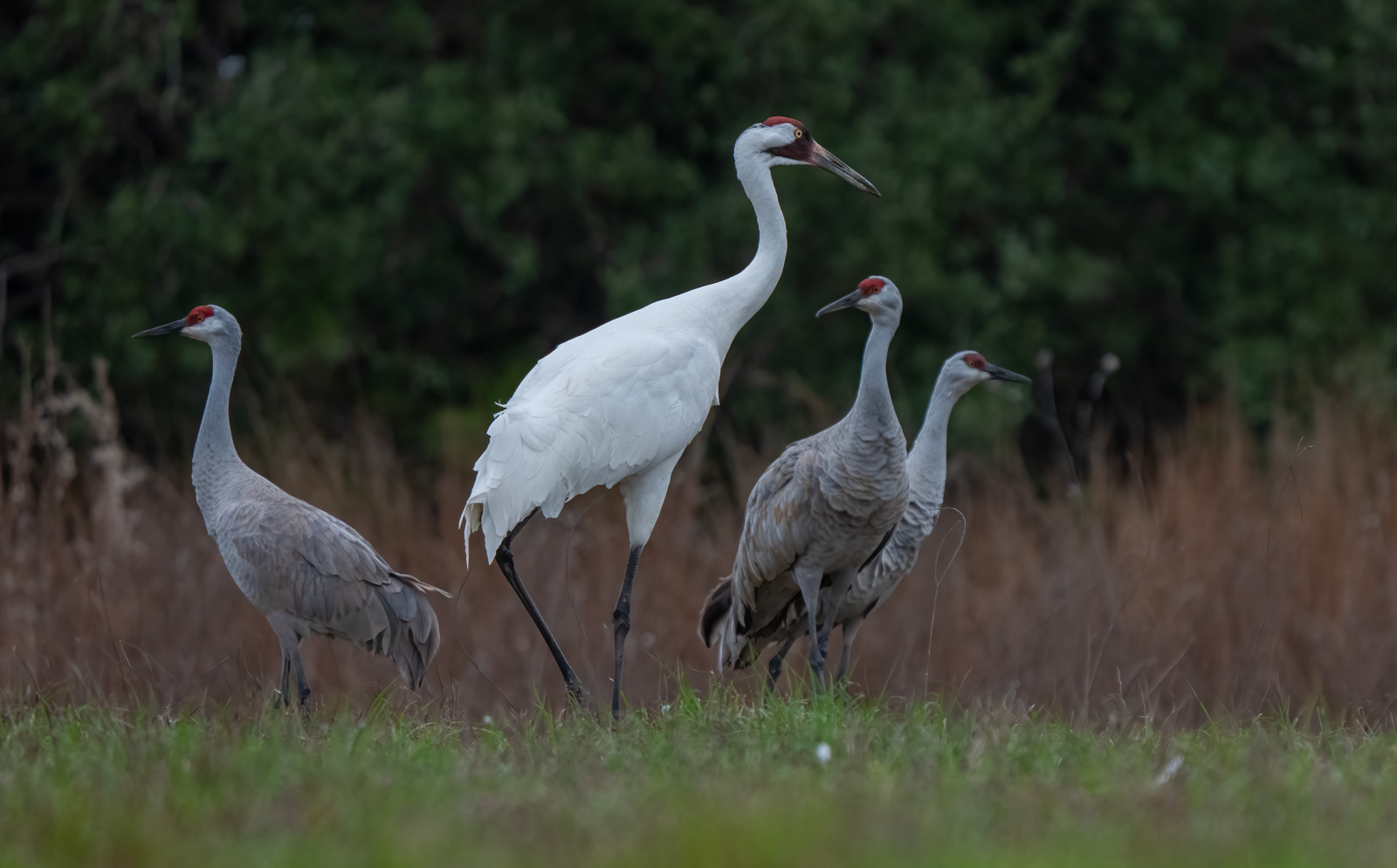
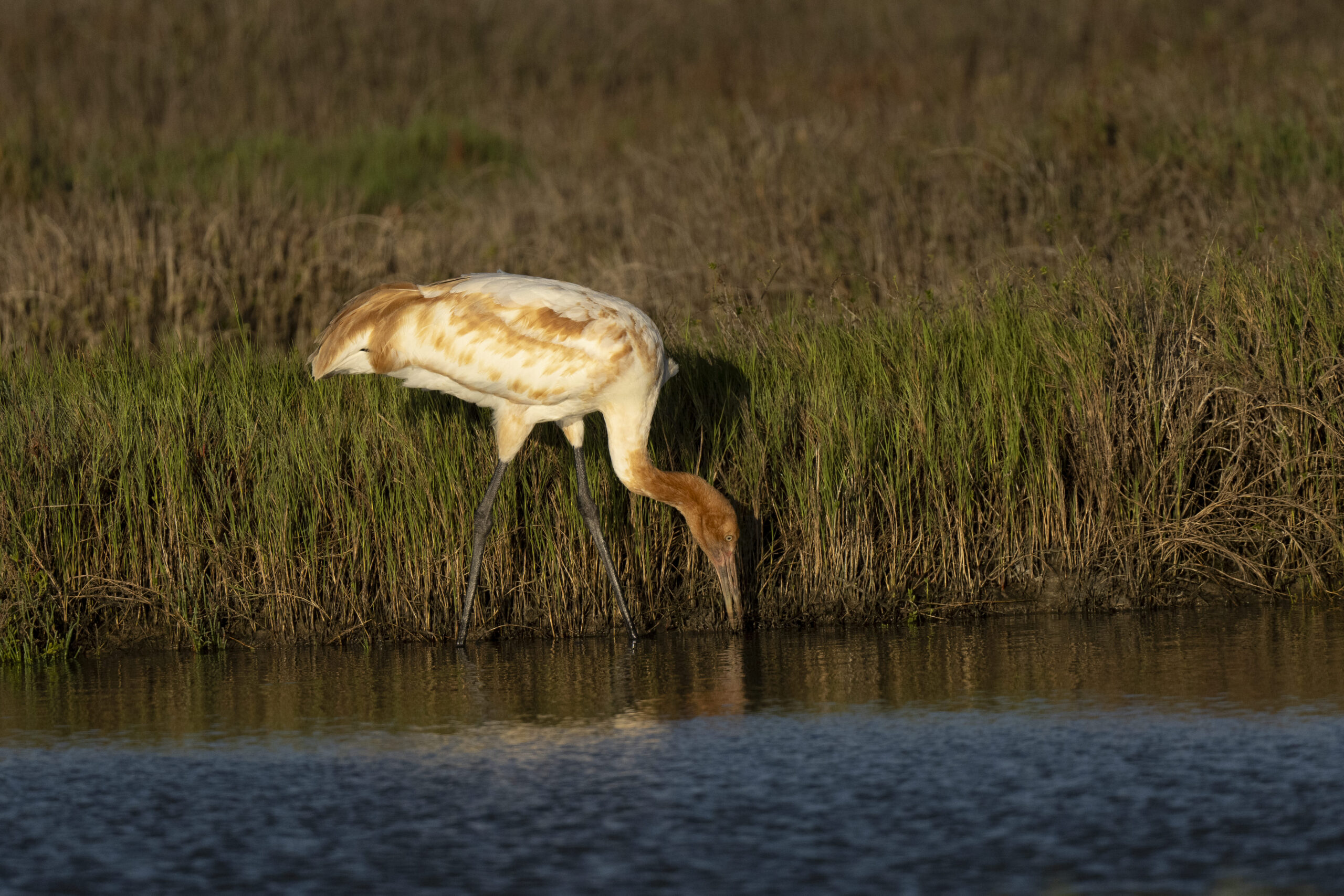
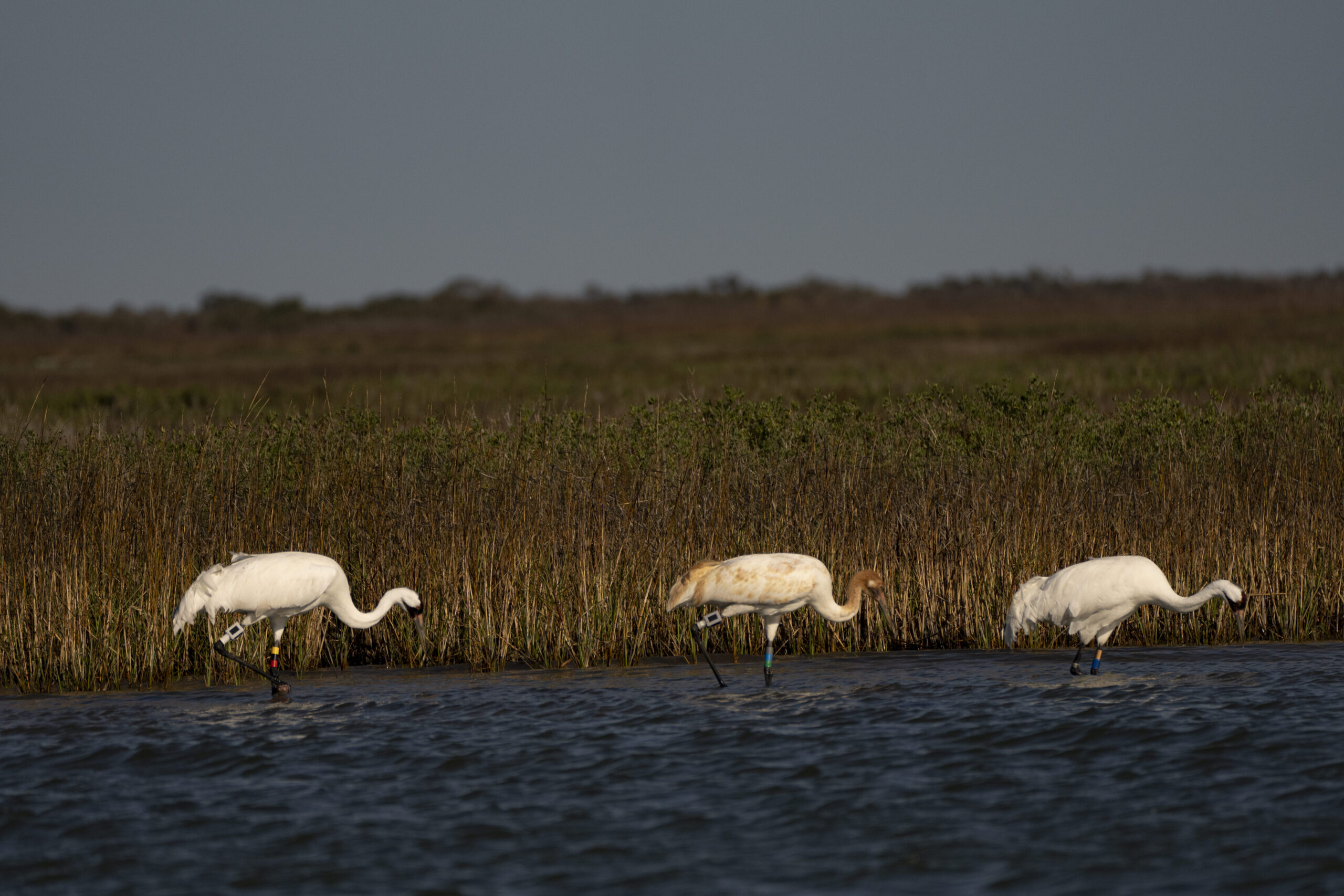
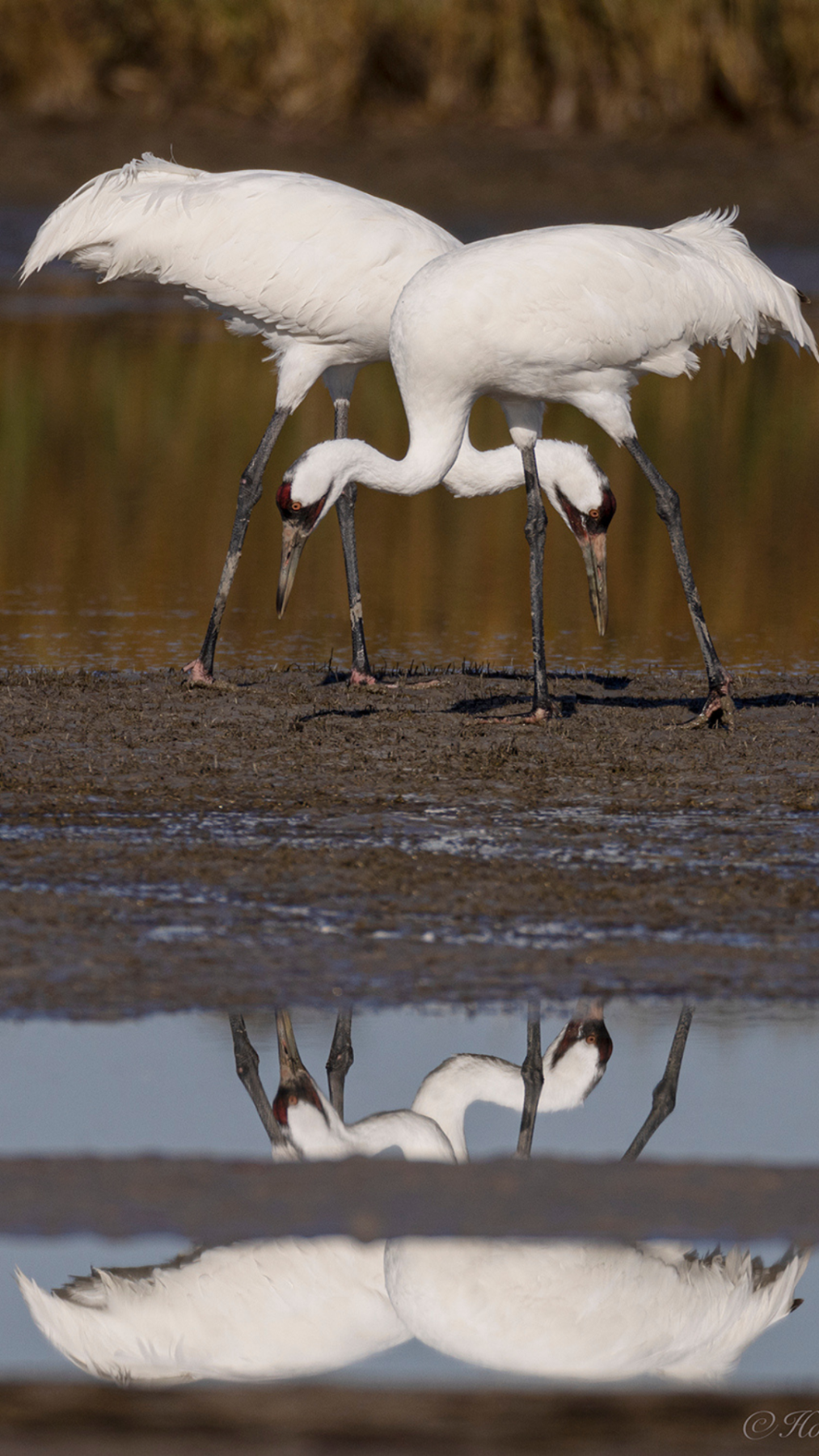
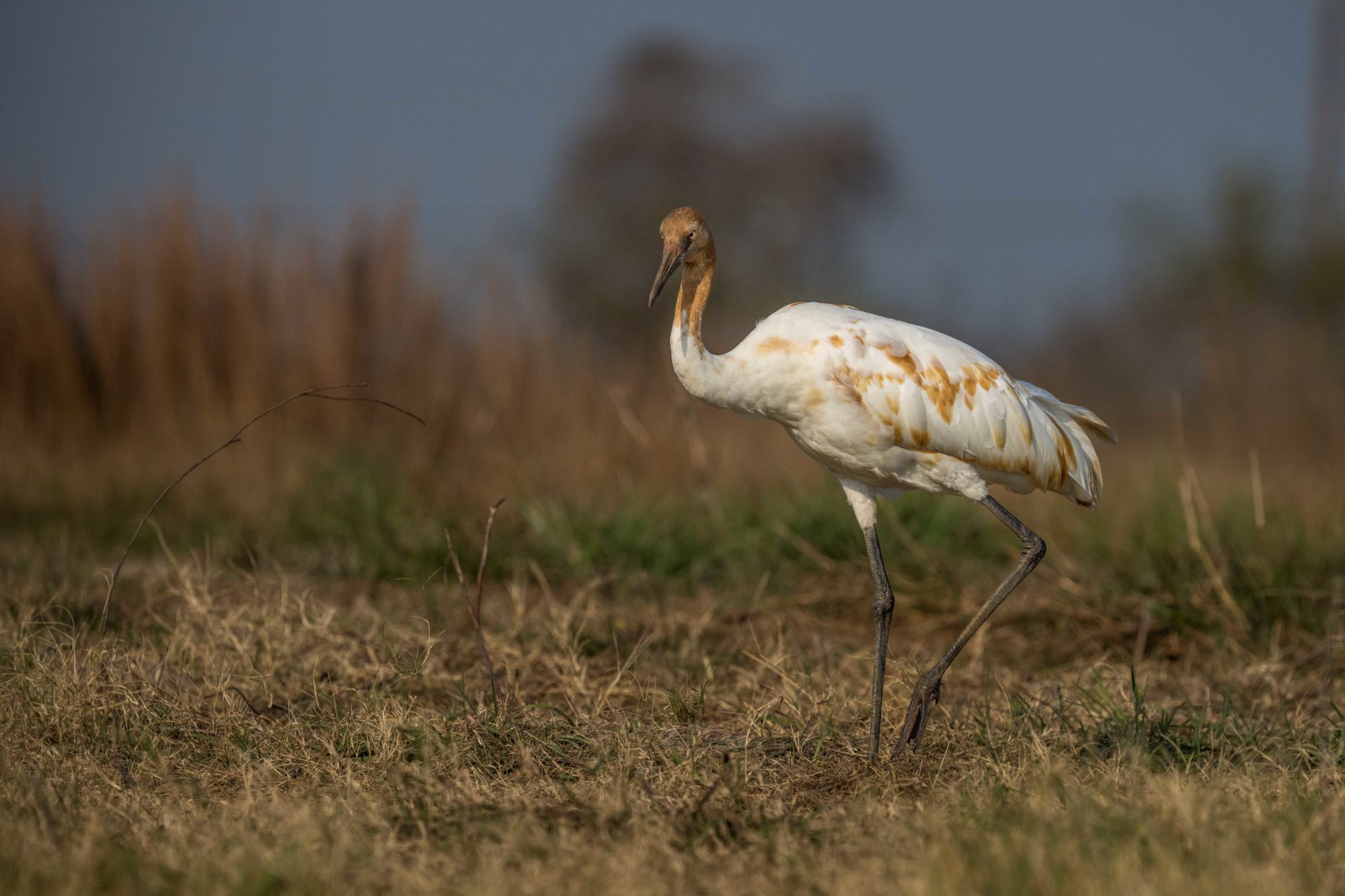
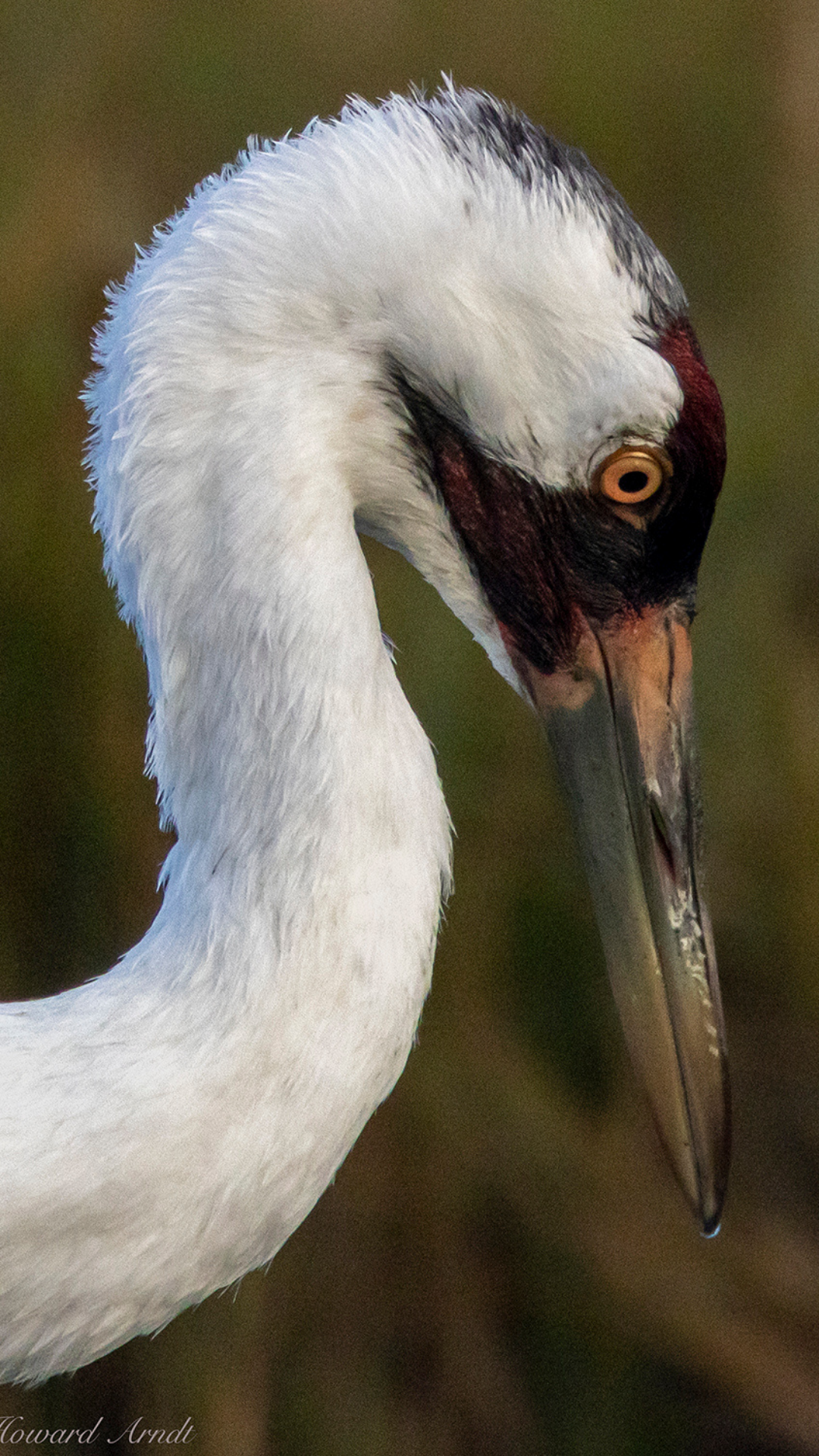
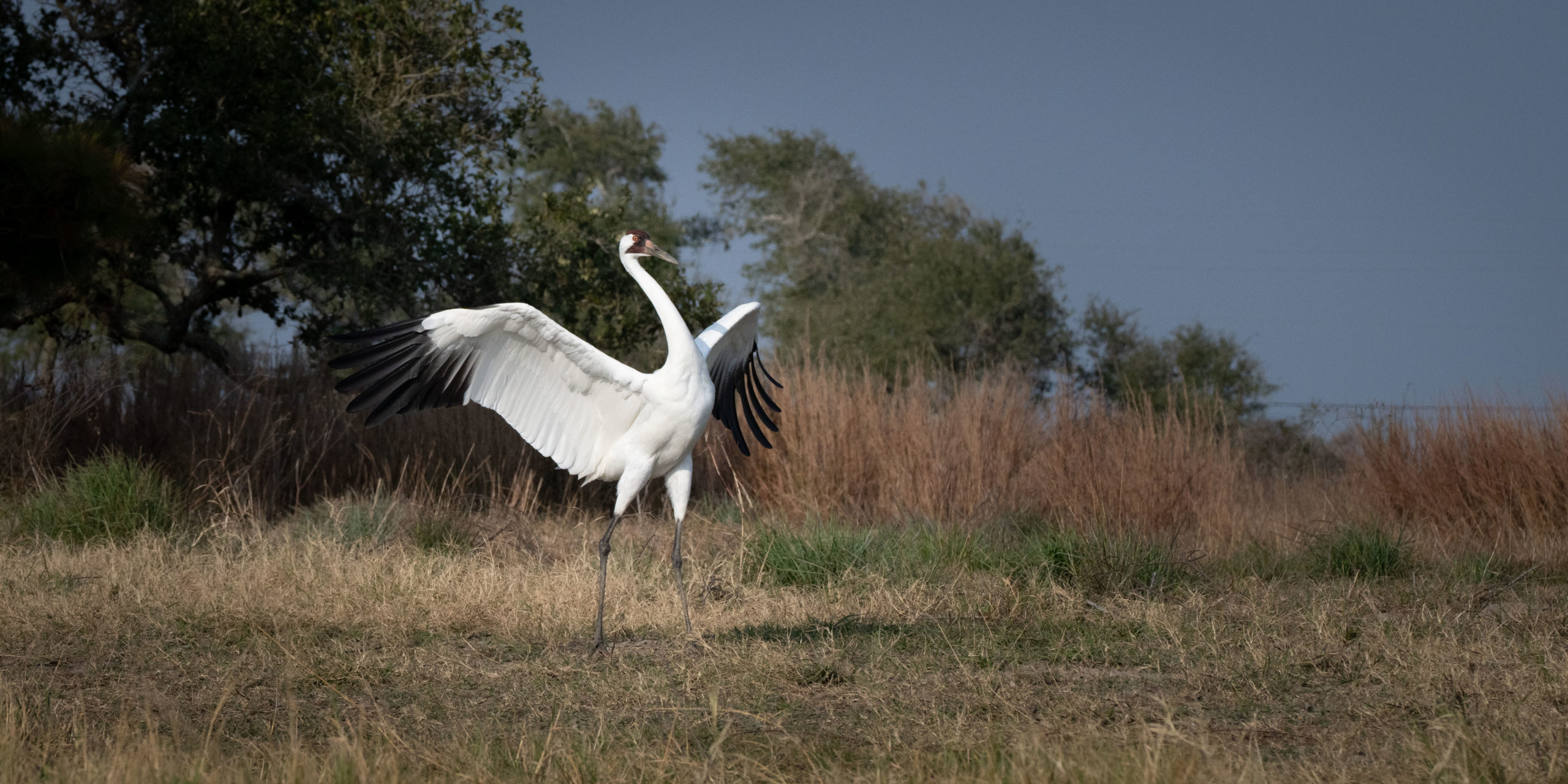
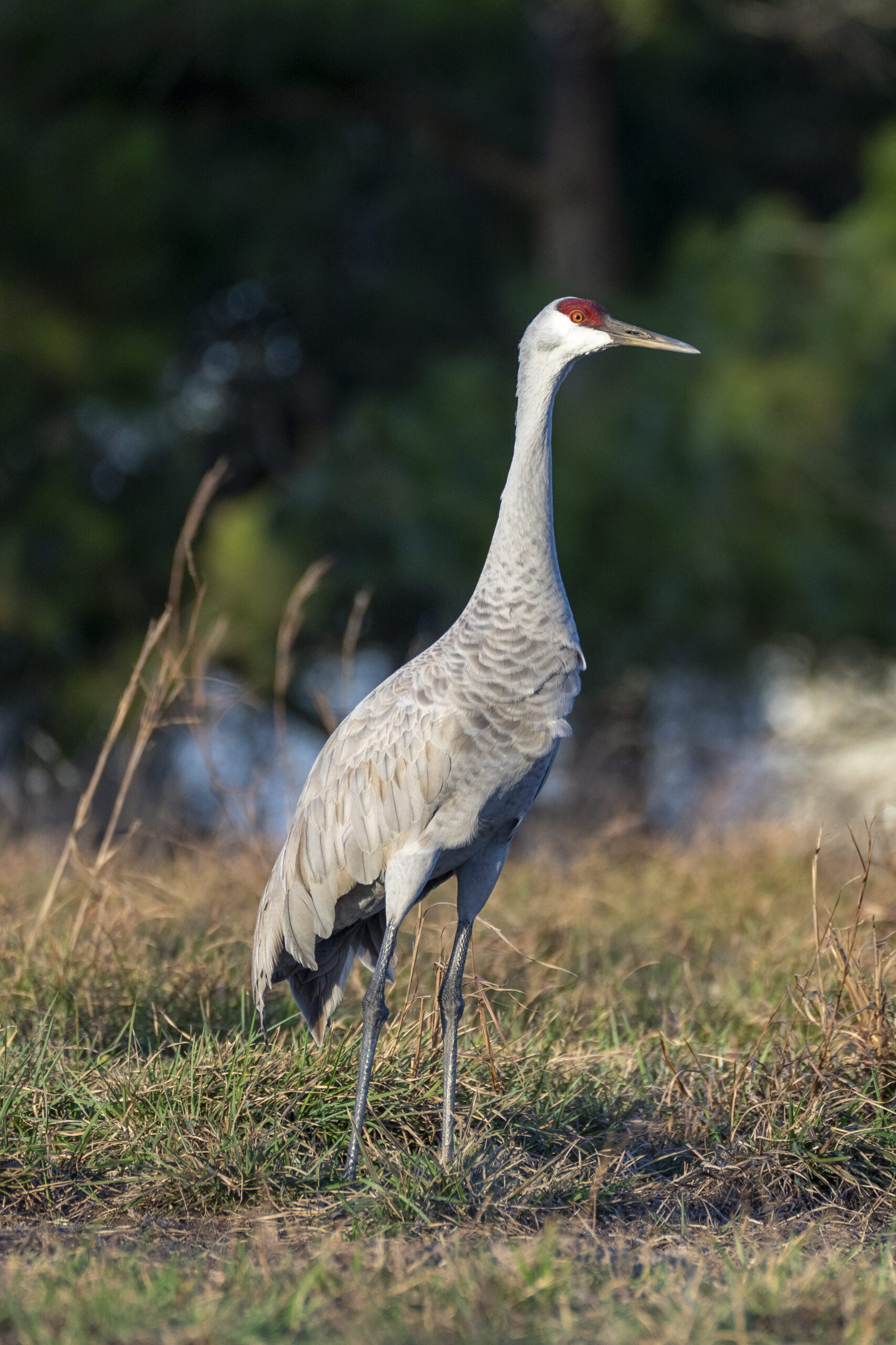
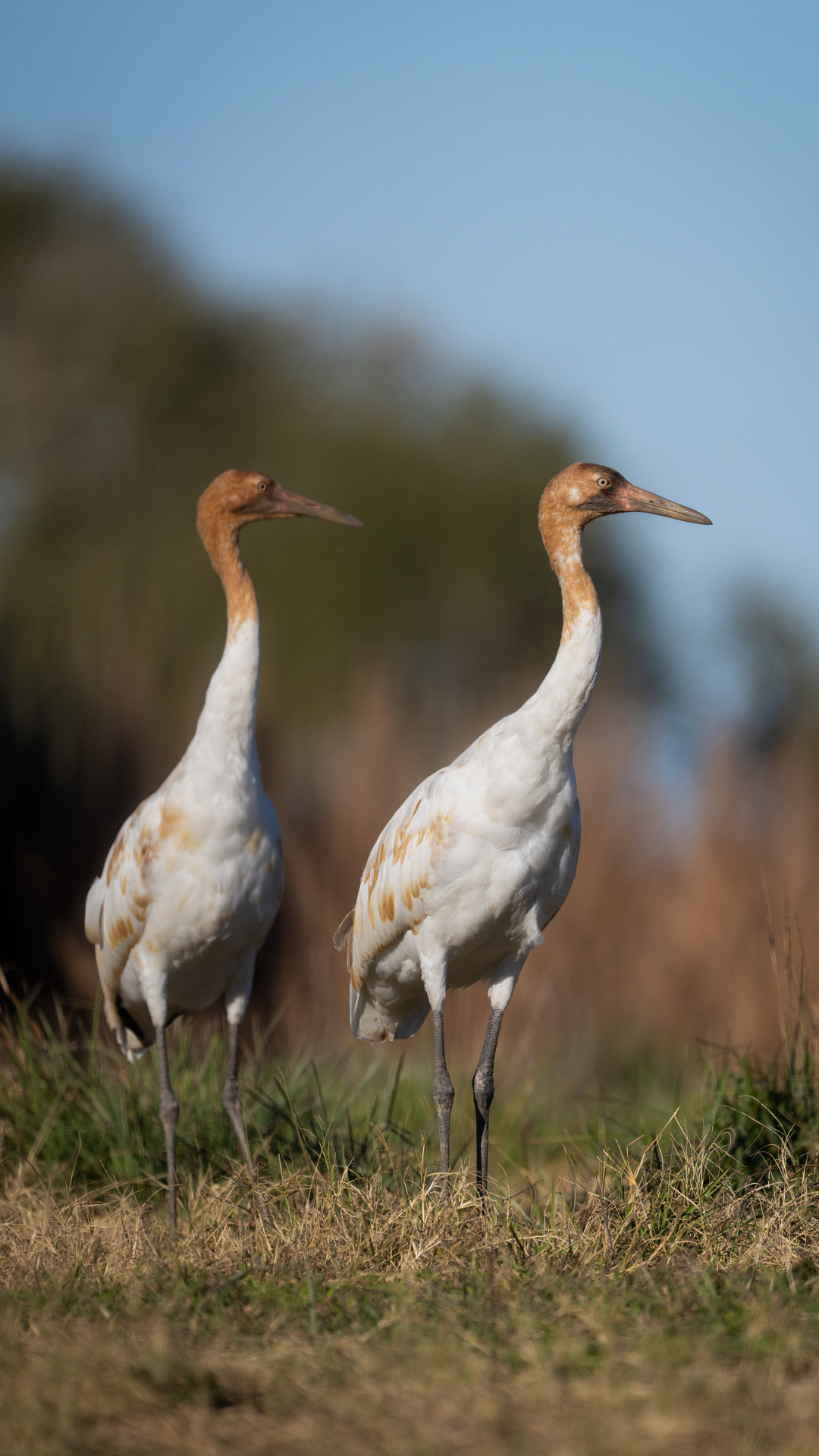
Each winter, the largest wild population of endangered whooping cranes returns to the Texas coast, making this one of the best opportunities anywhere for whooping crane photography. Based near Aransas National Wildlife Refuge, this workshop is timed for peak season when cranes are active, visible, and moving through the coastal marsh in beautiful, ever-changing light.
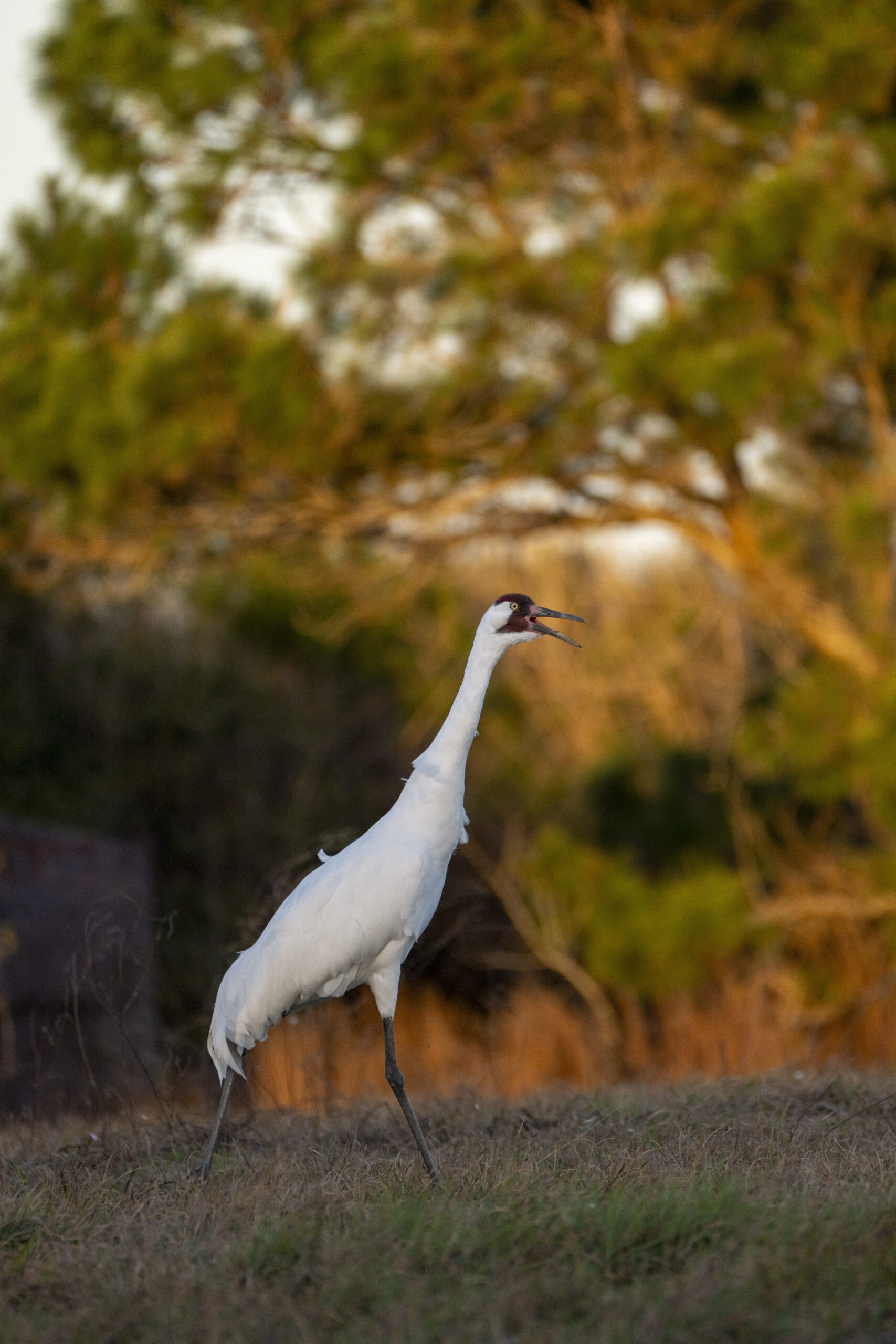
We’ll spend our time in the field photographing natural behaviors, from feeding and calling to flight, while refining your approach to wildlife photography in a dynamic coastal environment. With guidance from renowned bird photographer Michael Forsberg, you’ll gain both the technical and creative tools to elevate your work, whether you’re building a portfolio or deepening your connection to the natural world.
For wildlife photographers, opportunities like this are rare. With fewer than a thousand whooping cranes remaining in the wild, every encounter is meaningful, and every frame is a chance to document something truly special.
Why the Texas Gulf Coast Is the Best Place to Photograph Whooping Cranes
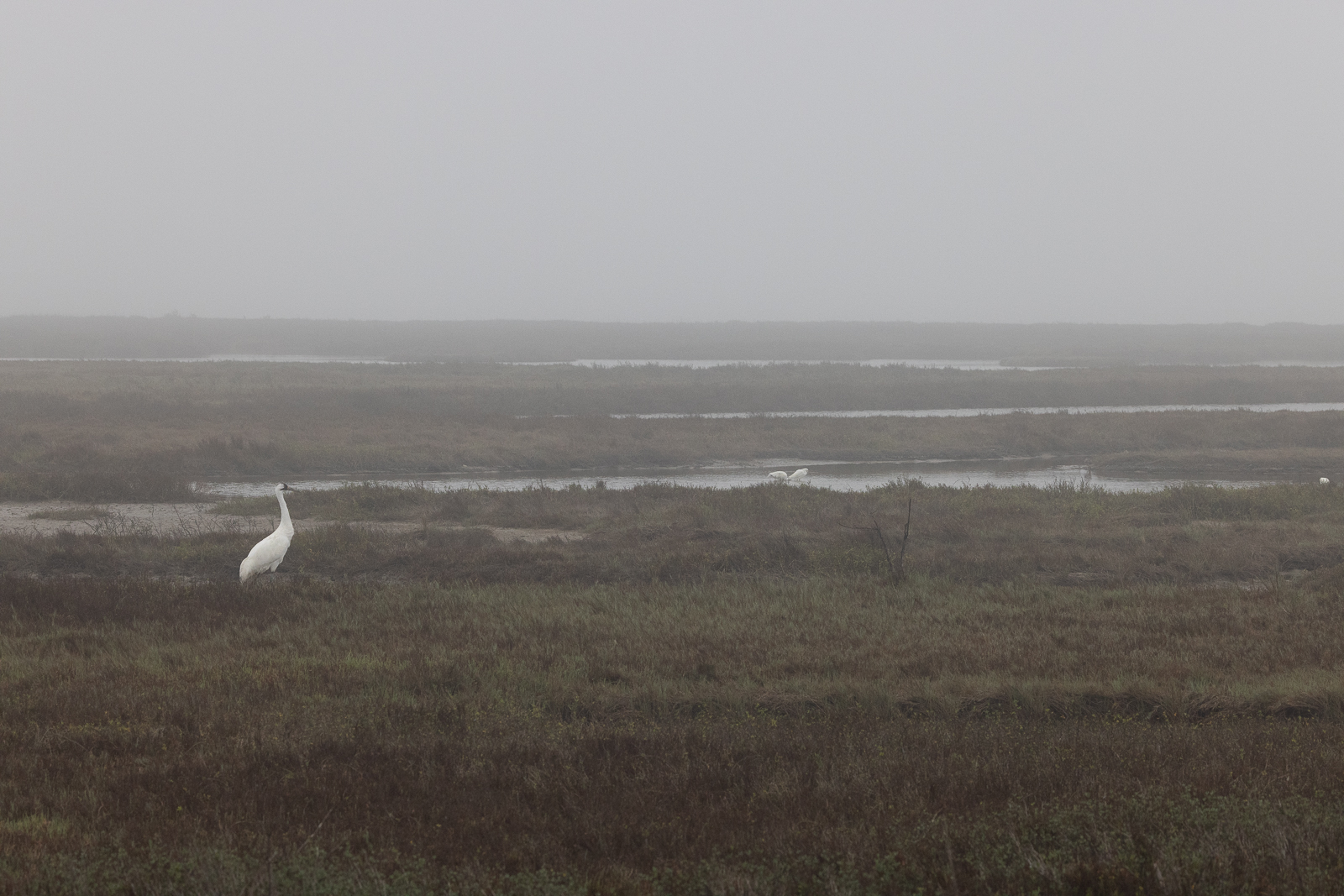
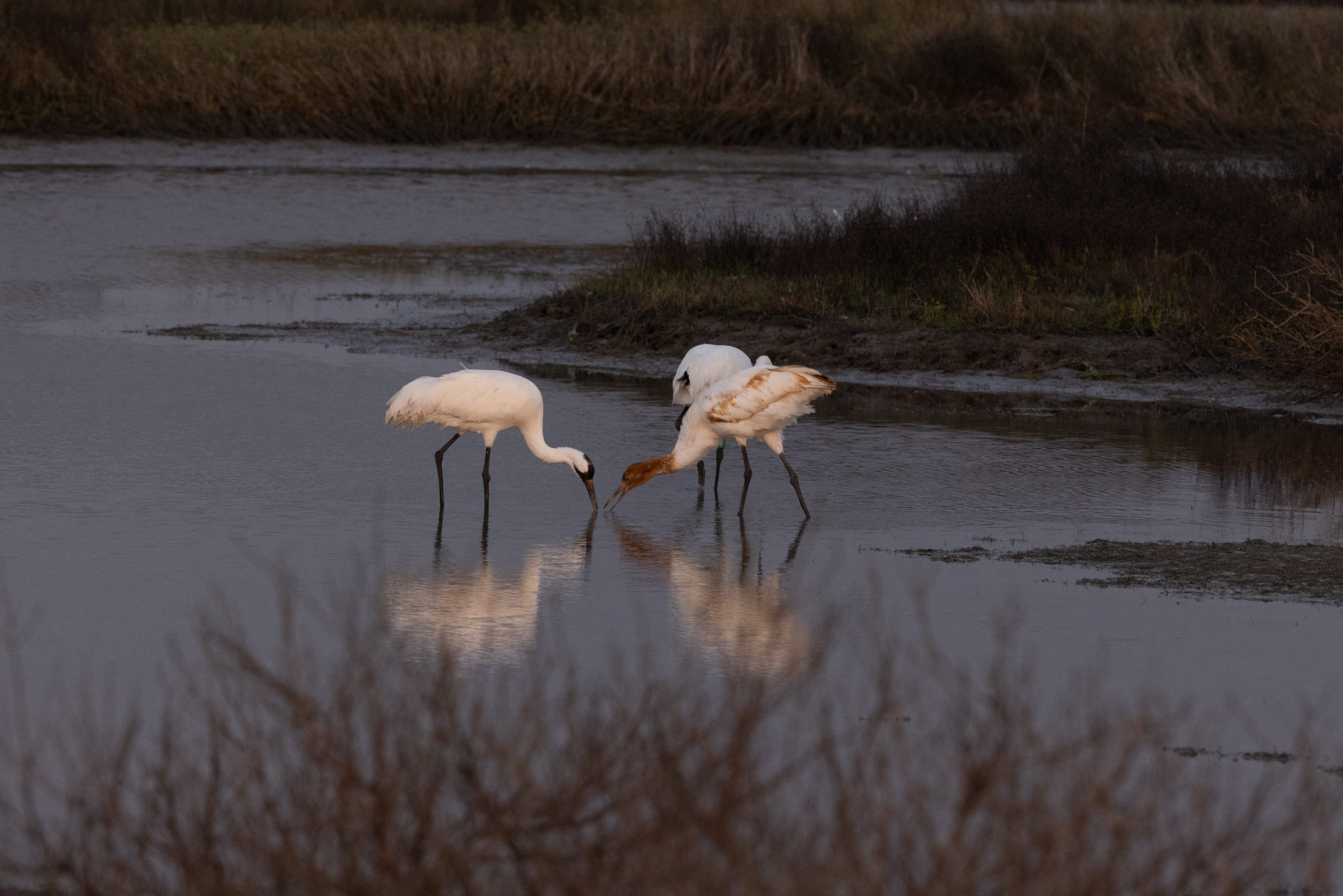
From late fall through early spring, these birds settle into a landscape of shallow bays, salt marsh, and coastal prairie of the Aransas National Wildlife Refuge. This unique environment not only supports their survival, but also creates exceptional conditions for photographers. Cranes can often be observed feeding in the marsh, moving through open habitat, or calling across the water, offering opportunities to photograph a range of natural behaviors in a relatively undisturbed setting.
What makes this location especially powerful for photography is consistency. Unlike many wildlife experiences that rely on chance encounters, the Texas Gulf Coast provides predictable seasonal access to whooping cranes at a time when they are most active. Soft coastal light, expansive backgrounds, and unobstructed sightlines all contribute to stronger compositions and more dynamic imagery.
This region is also critical to the species’ survival. Once reduced to fewer than two dozen birds, the wild population of whooping cranes has slowly recovered through decades of conservation efforts. Today, with still fewer than a thousand individuals in the wild, photographing them here is not just a visual experience, it’s a chance to witness and document one of North America’s most important wildlife success stories.
For photographers, there are few opportunities like this: a rare species, a vital habitat, and a narrow seasonal window where everything comes together.
At Summit Gulf Coast You Will
Learn from World-Class Bird Photographer
Led by renowned nature photographer Michael Forsberg, this workshop offers expert instruction in bird photography, all within the supportive Summit community of industry professionals and passionate photographers.
Photograph the Rare Whooping Cranes Up Close
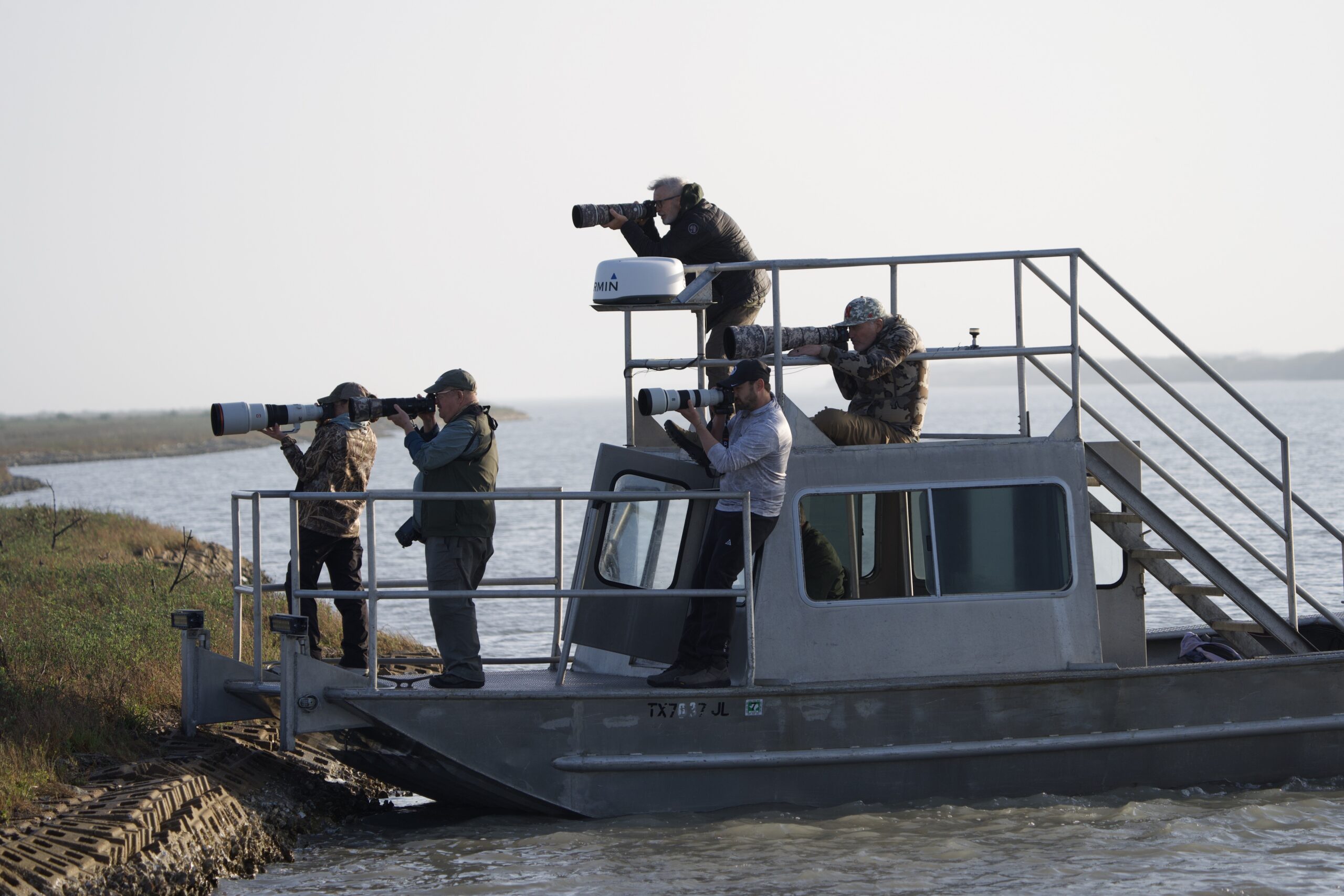
Capture the rarest cranes in the world, with opportunities for intimate, close-up shots as these majestic birds may land within 50 feet of your boat—an unparalleled photographic experience.
Explore the Rich Winter Birdlife of the Gulf Coast
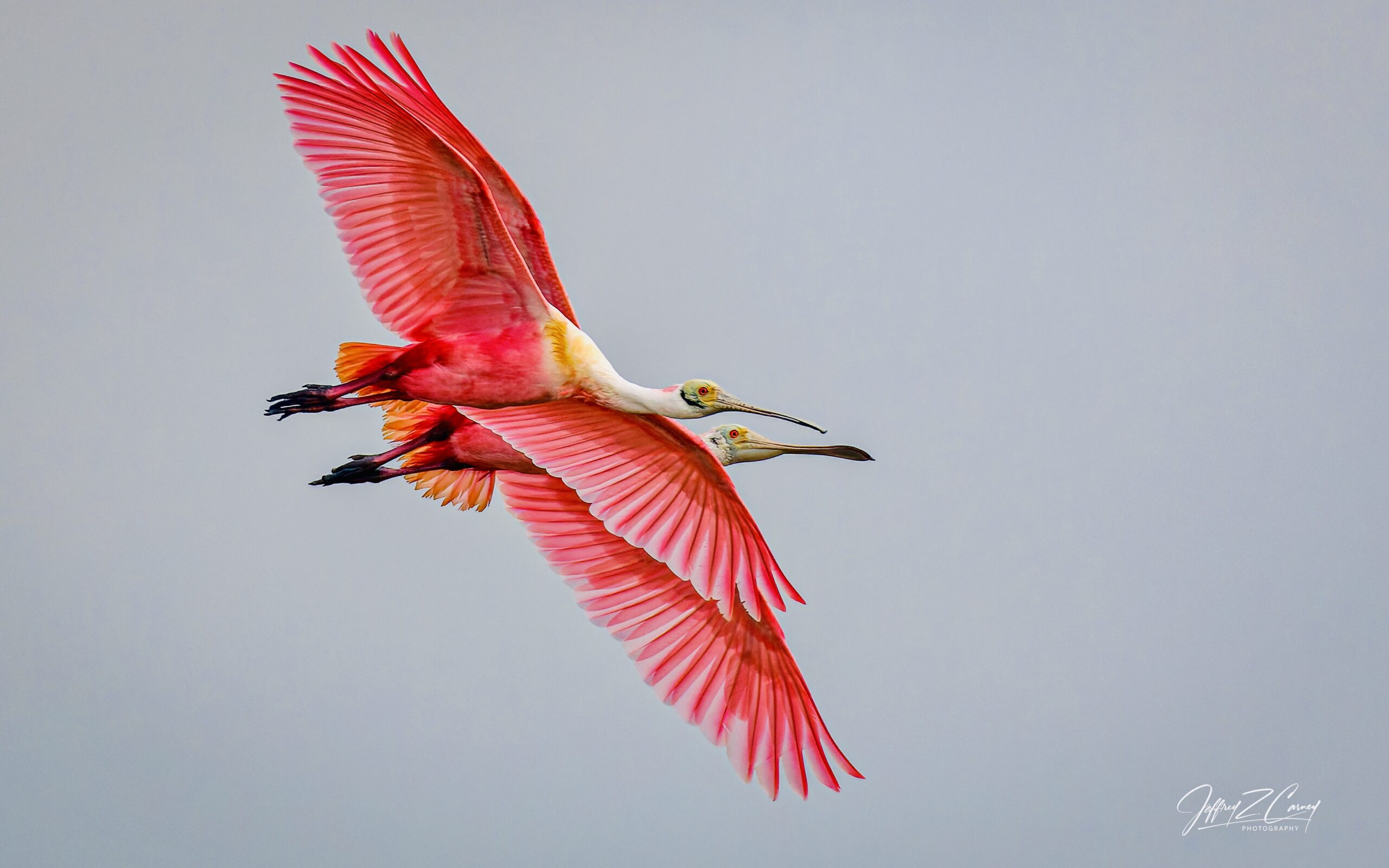
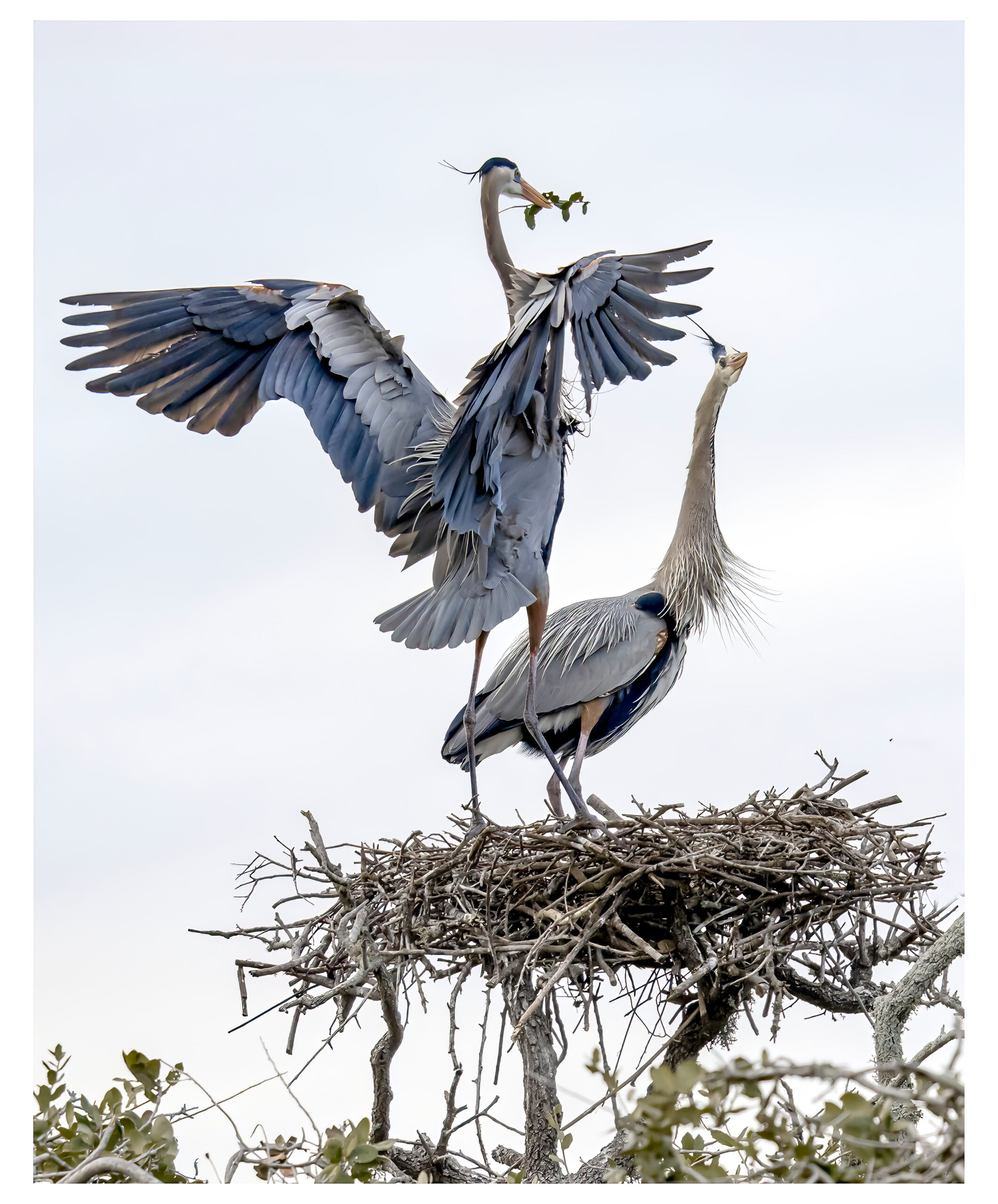
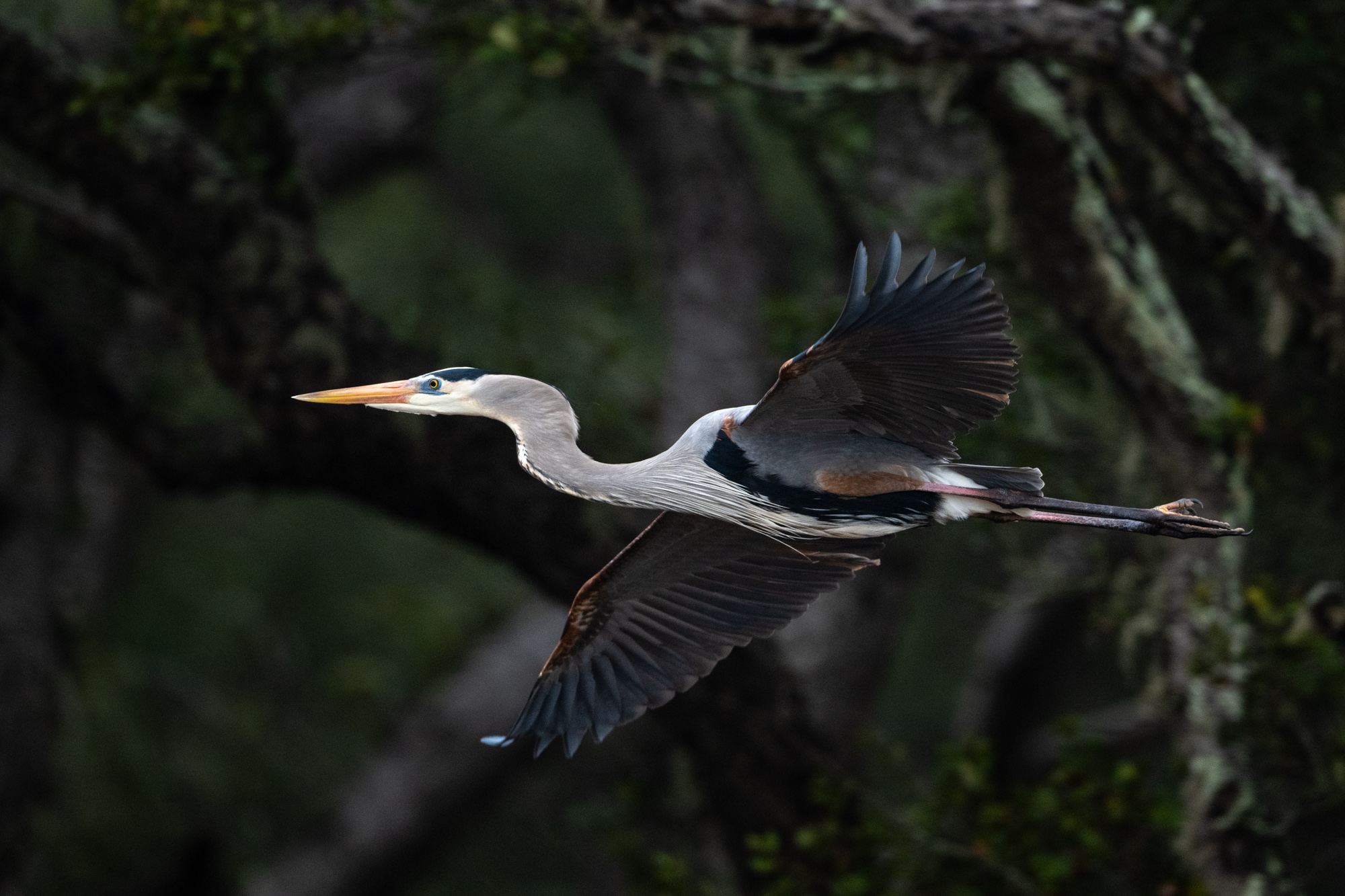
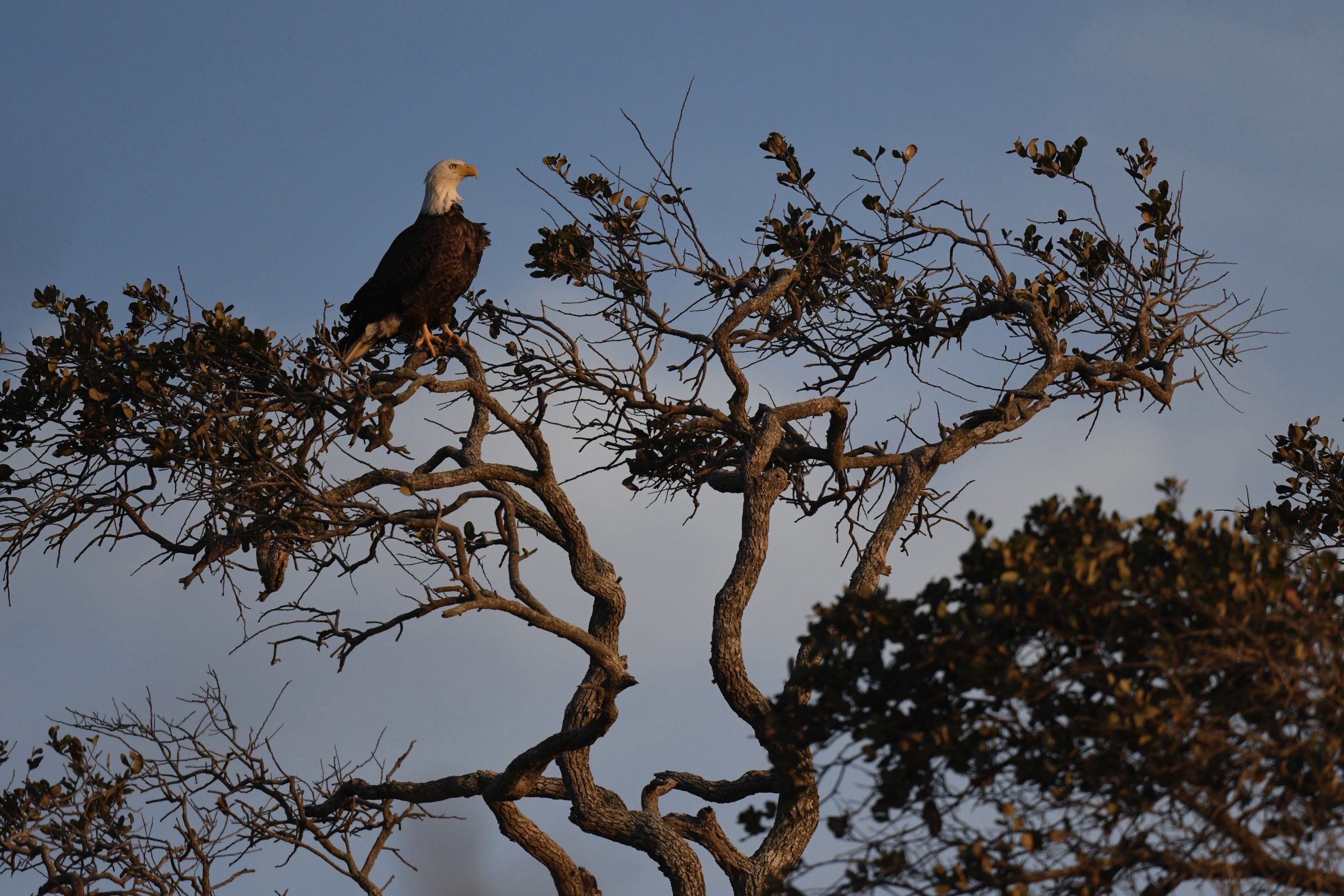
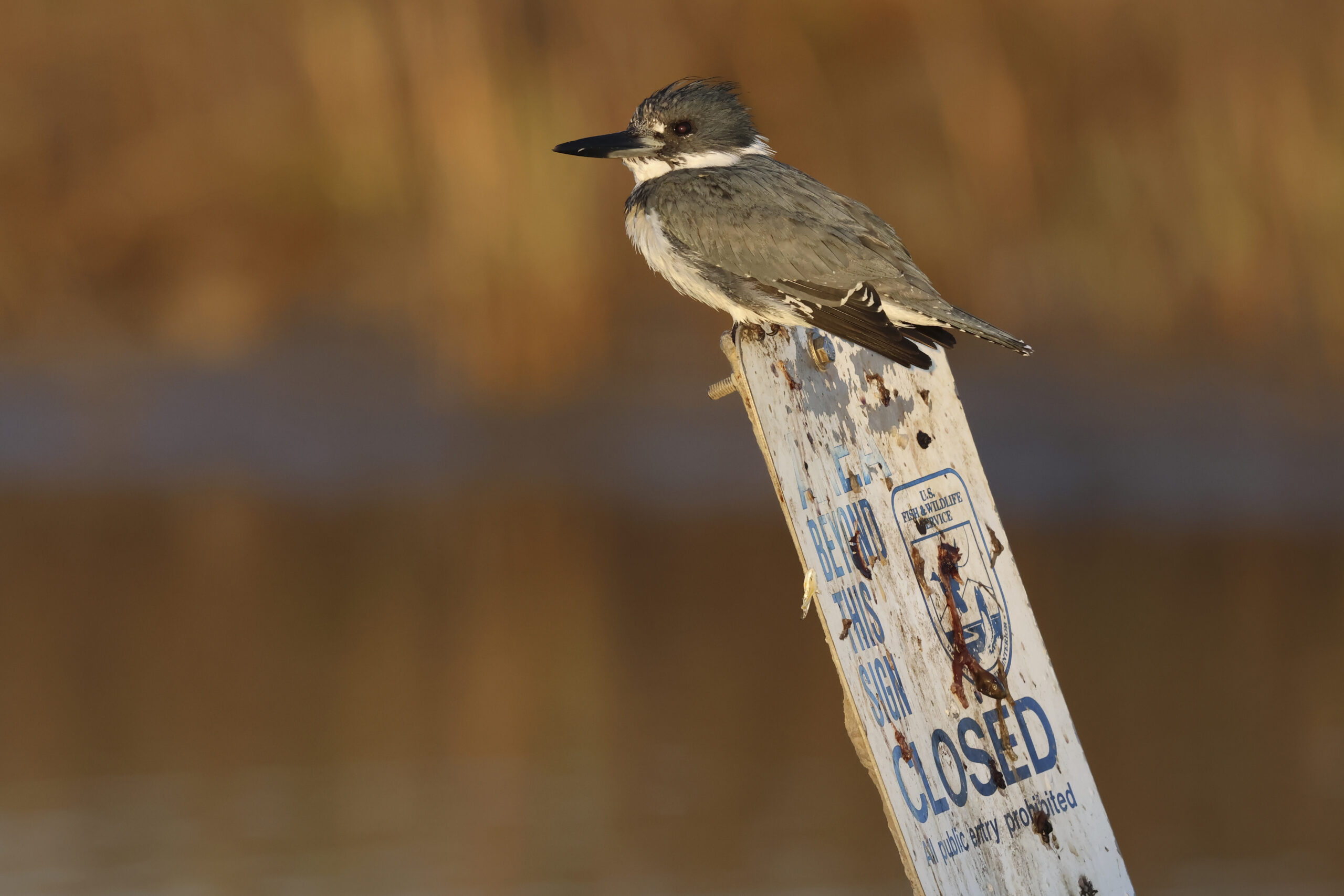
In addition to whooping cranes, you'll have the chance to photograph a wide variety of winter bird species that inhabit the stunning landscapes between the salt marshes and the sea.
Workshop Itinerary
What to Expect in the Field
This workshop is built around time in the field—early mornings, changing light, and the unpredictable moments that make wildlife photography so rewarding. Each day, we’ll head out along the Texas Gulf Coast near Aransas National Wildlife Refuge, positioning ourselves for the best opportunities to photograph whooping cranes in their natural habitat.
You’ll work in a small group setting with guidance from Michael Forsberg, focusing on both technical execution and creative decision-making. We’ll adapt to conditions as they unfold, whether that means tracking cranes across the marsh, waiting for flight, or working with soft coastal light to create more atmospheric images. In addition to photographing whooping cranes, we’ll keep an eye out for other coastal birdlife and wildlife that call this region home, adding variety and depth to your portfolio.
Please note that the final workshop schedule will be provided one month prior to the event. Keep in mind that the schedule is tentative and may be adjusted as needed during the workshop.
- 1:00 PM: Meet in lobby of Welcome & Overview
- 3:00 PM: Depart hotel for evening shoot
- 6:30 PM: Sunset
- 7:15 PM: Return to hotel
- 6:10 AM: Depart hotel
- 6:30 AM: Board boat
- 7:00 AM: Sunrise
- 10:30 AM: Return to dock and depart for hotel
- 11:00 AM - 2:00 PM: Lunch break
- 2:30 PM: Depart hotel
- 3:30 PM: Positioned in blinds
- 6:30 PM: Return to hotel
- 6:10 AM: Depart hotel
- 6:30 AM: Board boat
- 7:00 AM: Sunrise
- 10:30 AM: Return to dock and depart for hotel
- 11:00 AM - 2:00 PM: Lunch break
- 2:30 PM: Depart hotel
- 3:30 PM – Positioned in blinds
- 6:30 PM: Return to hotel
- 6:10 AM: Depart hotel
- 6:30 AM: Board boat
- 7:00 AM: Sunrise
- 10:30 AM: Return to dock and depart for hotel
- 11:00 AM - 2:00 PM: Lunch break
- 3:00 PM: Depart for afternoon shoot
- 7 PM: Return to the hotel, upload images
- 7:45 PM: Image Review and Closing session
Meet Your Instructors
Michael Forsberg
Chris Steppig
Michael Forsberg
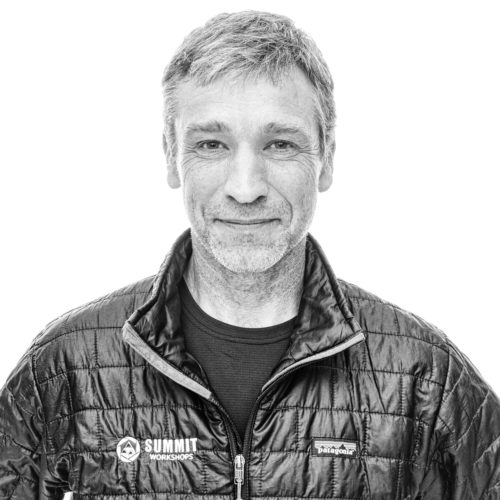
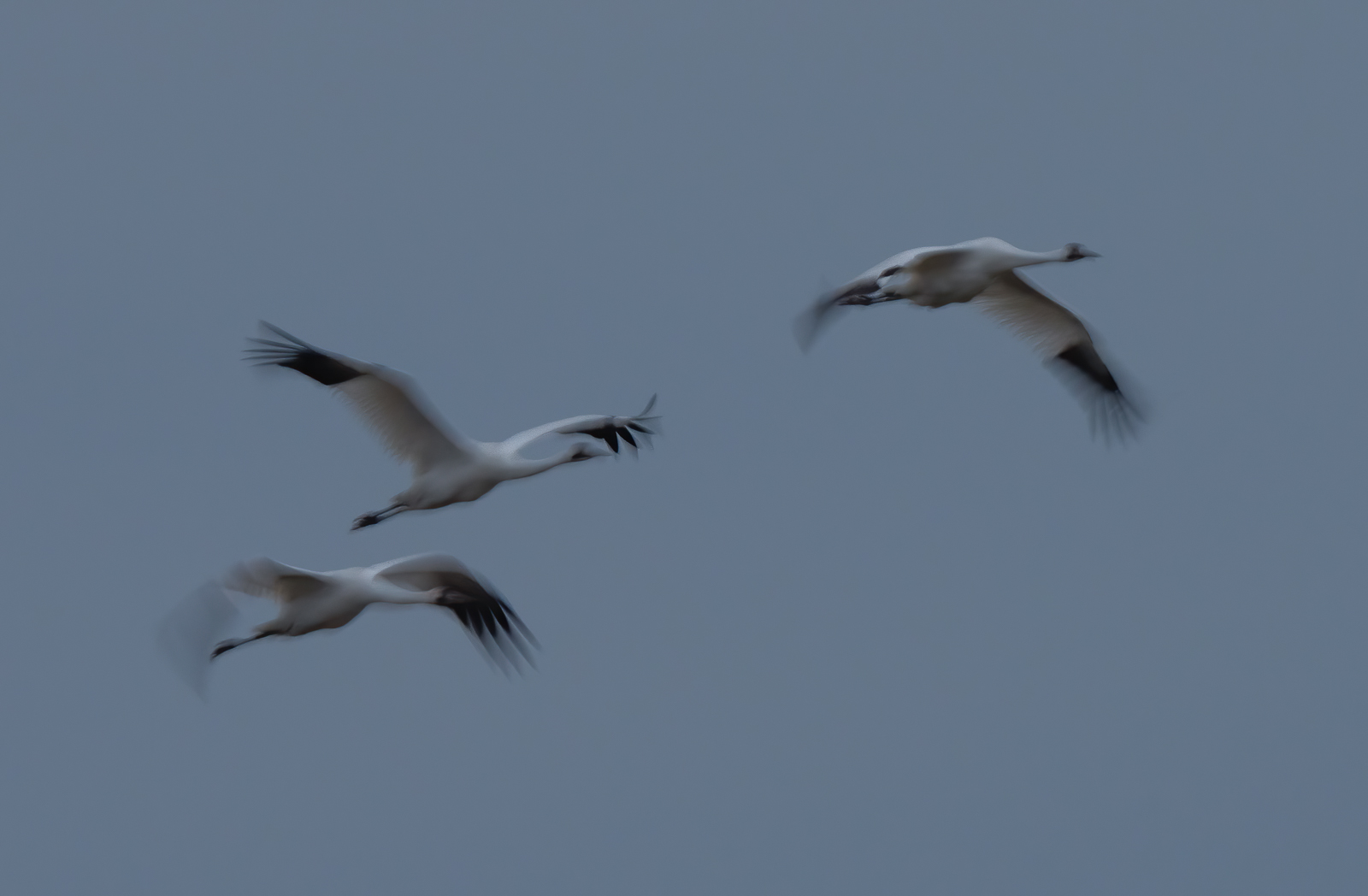
Michael Forsberg is a Nebraskan whose 30-year career as a photographer and conservationist has been dedicated to wildlife and conservation stories in North America’s Great Plains, once one of the greatest grassland ecosystems on Earth. His images have been featured in publications including Audubon, National Geographic, Nature Conservancy, and Sierra magazines. His fine art prints are in public and private collections, and his solo exhibitions have traveled nationwide.
In 2017, Mike received the Ansel Adams Award for Conservation Photography from the Sierra Club in Washington, DC, and the Environmental Impact Award from the North American Nature Photography Association. Also, in 2017, his image of sandhill cranes on the Platte River was selected to illustrate USPS’s Forever stamp celebrating Nebraska’s 150 years of Statehood. In 2000, his photograph of a Nebraska tallgrass prairie was issued as an international airmail stamp in the United States Postal Service’s American Scenes Series. In 2020, Mike received the J. Sherwood Chalmers Medal from The Garden Club of America.
Mike is the author and photographer of On Ancient Wings – The Sandhill Cranes of North America, self-published in 2005, Great Plains – America’s Lingering Wild, published by the University of Chicago Press in 2009 and Into Whooperland – A photographer’s journey with whooping cranes, self-published in 2024. He was featured in the Nebraska Public Media documentary Crane Song and co-produced Great Plains – America’s Lingering Wild, based on his book of the same title, released on PBS in 2013.
In 2011, Mike co-founded Platte Basin Timelapse (PBT) in partnership with the University of Nebraska–Lincoln and Michael Farrell Photography and Fine Art. Today, it is a conservation storytelling project that informs scientific research, builds educational content, and tells stories of a Great Plains watershed in motion. The documentary Follow the Water, based on the project and Mike’s traverse across the Platte Basin watershed, was released on PBS nationally in 2019.
Mike is a faculty member in the School of Natural Resources at the University of Nebraska–Lincoln, a Fellow with the Center for Great Plains Studies and the Daugherty Water for Food Institute, a member of The Photo Society, and a Senior Fellow with the International League of Conservation Photographers.
Chris Steppig
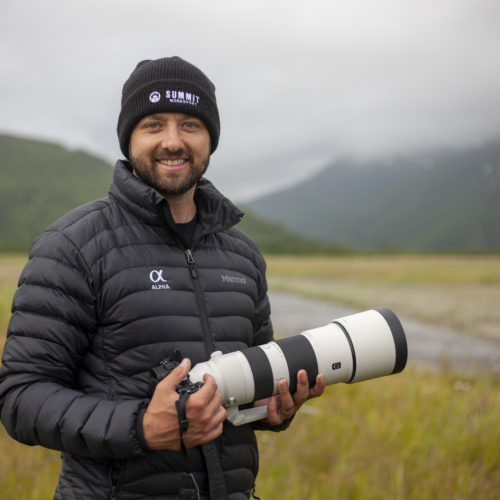
Chris is the owner and director of Summit Workshops. Summit was his first job out of college and nearly 20 years later, this is home. He is in charge of all workshop operations, scheduling, logistics, faculty, social media, marketing and sponsorship. Chris has a passion for conservation, travel, and education and the workshops are a dream platform to help others reach new heights as not only photographers but as people.
Chris is an affiliate of the International League of Conservation Photographers. The iLCP is a U.S. based non-profit whose mission is to further environmental and cultural conservation through ethical photography. This affiliation provides a tremendous opportunity to help deliver great content and also be an advisor on matters large and small. He is also a professional advisor for Outdoor Photographer magazine. Through collaboration and great communications with the editor of the magazine, there have been countless articles written by Summit Alumni in the magazine over the years.
Workshop Information
Getting there
The closest major airport is Corpus Christi International Airport (CRP), located about 45 minutes from Rockport. An alternative option is the San Antonio International Airport (SAT), about 2.5–3 hours away, which offers more flight availability and airline options. From either airport, we recommend renting a vehicle for flexibility during your stay.
Travel Times
Rockport is an easy drive from several Texas cities:
- Corpus Christi: 45 minutes
- San Antonio: 2.5–3 hours
- Austin: 3.5 hours
- Houston: 3–3.5 hours
Health & Fitness
This workshop is designed to be accessible to most participants with a moderate level of mobility.
- Field sessions may include short walks on uneven terrain such as dirt paths, sand, or marsh edges.
- Expect extended periods of standing while photographing wildlife.
- Early mornings and time outdoors in varying weather conditions are part of the experience.
What to Pack
February along the Gulf Coast can vary from cool mornings to mild, sunny afternoons. Being prepared for changing light and temperatures will help you stay comfortable and focused during long sessions on the boat and in the blinds. We recommend bringing:
CLOTHING:
- Lightweight layers (long sleeves, fleece or light jacket)
- Windbreaker or waterproof shell
- Comfortable, neutral-colored field clothing
- Hat and sunglasses
- Waterproof or water-resistant boots/shoes
- Comfortable walking shoes
OTHER:
- Pack for carrying gear in the field
- Water bottle
- Energy bars or other snacks
- Sunscreen and sunglasses
- Binoculars (optional)
PHOTOGRAPHY GEAR:
- 2 camera bodies
- Wide angle lens
- Medium zoom lens
- Telephoto lens (ideally 400mm–800mm range)
- Tripod or monopod (optional, depending on preference)
- Camera bag
- Extra batteries and chargers
- Laptop or tablet
- Memory cards
- Hard drive
Sony Gear
We are proud to partner with Sony, giving students the unique opportunity to experience some of the latest professional camera bodies and lenses in the field during the workshop. Throughout the week, participants can check out Sony gear to test and use in real shooting conditions in the blinds and on the boats. This hands-on access allows you to explore new equipment, refine your technique, and see how different tools can impact your creative results, all while receiving guidance from our instructors in real time.
Frequently asked questions
No! Summit Workshops is available to any photographer, regardless of what brand of camera you use. We often have camera gear available to borrow, free of charge, but you are not required to use that gear or any specific brand.
Tuition includes activity fees, location fees, all instruction, planning and logistics. It does not cover hotels, travel, and most meals.
Our workshop is for shooters of all ages and skill levels, from beginners to seasoned veterans. We all learn from and help one another, that is what makes the Summit Community so special.
Our image critiques are constantly mentioned as being the most important/valuable component of our workshops. It's not only a chance to get your work reviewed, but also to see your peers' images. It is not structured as a competition, but a growth experience. So do not feel it has the be your best of the best or how it might stack up to others. You get to hear the opinions of the faculty and everything you will hear from them is 100% meant to help you. They are also anonymous and meant to be constructive and useful to your professional growth.
We ask each student to submit 3-5 images taken while at the workshop. We typically send the link out the afternoon before the image critique, which gives you the evening to get your images in.
A car isn’t required, but it’s highly recommended. We’ll be driving back and forth from our hotel to the boats and around the area to look for cranes during the day. Having your own vehicle gives you flexibility to explore and photograph more on your own schedule. If you don’t have a car, no worries, we coordinate carpools and will make sure you have a ride for all workshop activities.
The ideal time for whooping crane photography is during the winter migration season, typically from late fall through early spring. Our workshop is scheduled for peak season in February, when cranes are actively feeding, moving through the marsh, and displaying natural behaviors in favorable light conditions.
Yes, this workshop is designed for photographers of all skill levels who want to improve their wildlife photography. With a small group and hands-on instruction from Michael Forsberg, you’ll receive guidance on camera settings, composition, and field technique tailored to your experience level.
A Rare Bird. A Rare Opportunity.
With limited spots and peak-season timing, this workshop offers a unique chance to photograph whooping cranes along the Texas Gulf Coast near Aransas National Wildlife Refuge. If it’s been on your list, now’s the time.
Explore Our Other nature Workshops
Alaska Wildlife Photography Workshop
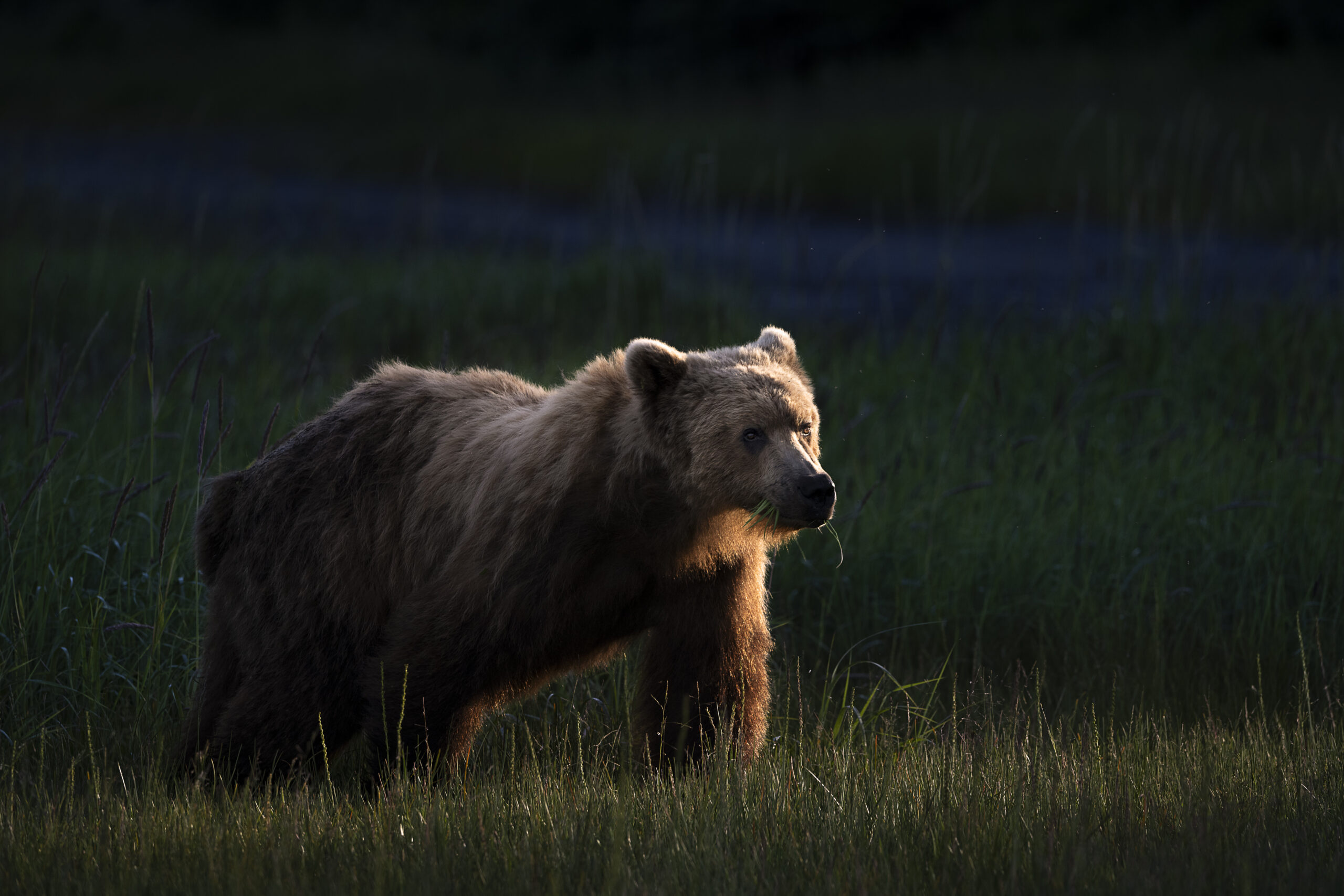
Photograph bears, glaciers, and rugged coastal landscapes in one of the most remote and breathtaking wilderness areas in the world. This expedition is an immersive experience focused on wildlife encounters and dramatic natural light in the field.
July 23-28, 2026
Lake Clark National Park
Sandhill Crane Photography Workshop
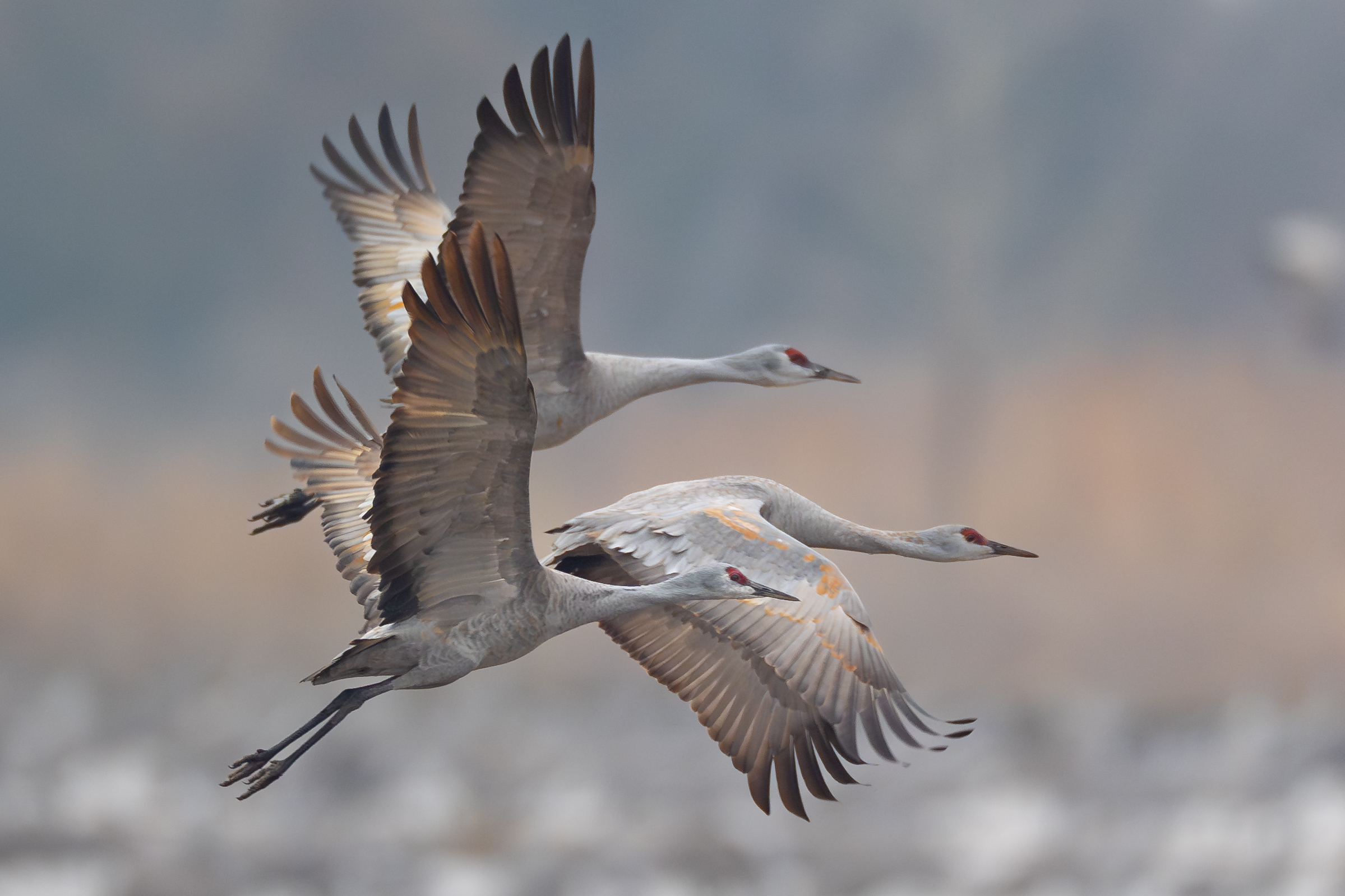
Experience one of North America’s most incredible wildlife migrations as thousands of sandhill cranes gather along the Platte River. This workshop focuses on capturing motion, behavior, and sunrise silhouettes in a truly unique natural event.
March 18-21 or March 23-26, 2027
Kearney, NE
Our Workshop Partners
Sony Alpha Universe
Sony Alpha Universe is here for the makers, the doers, the people who dream in colors. You bring your curiosity and ideas, we’ll provide the knowledge, the inspiration, and the state-of-the-art imaging tech to help you make dreams reality.