India
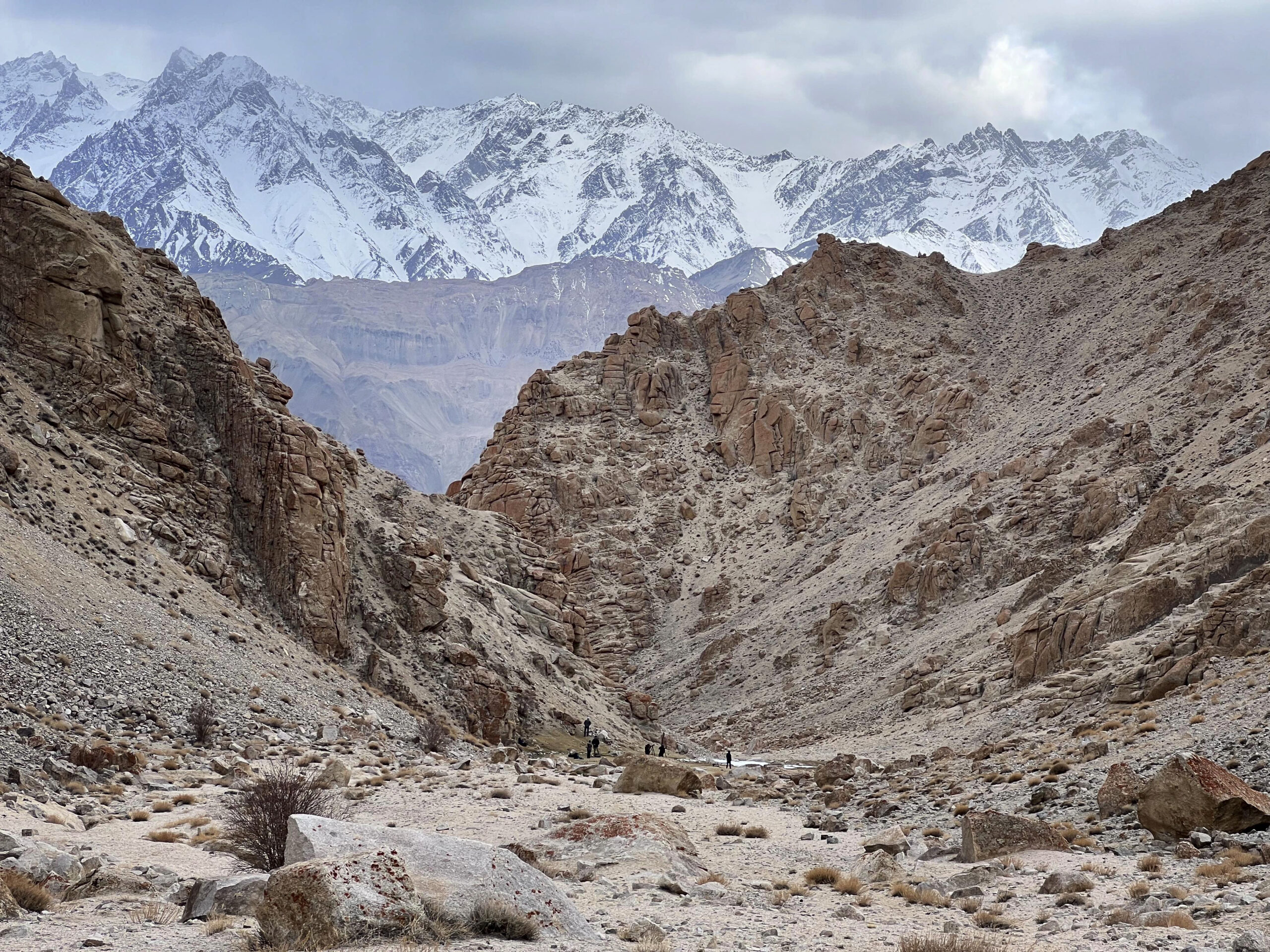
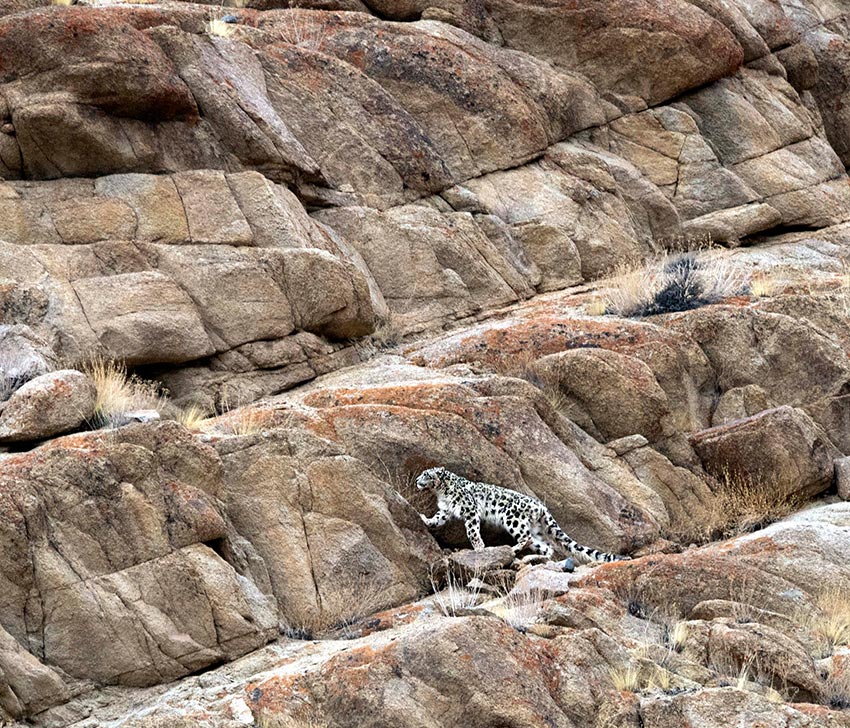
Venture deep into the rugged mountains of Ladakh, India, in search of the legendary snow leopard. Guided by Summit Workshops instructors, expert local trackers, and conservation partners, you’ll spend twelve unforgettable days photographing one of the world’s rarest predators while exploring dramatic Himalayan landscapes, ancient monasteries, and the rich culture of northern India.
Journey to the Roof of the World
2028 Dates TBD | Northern India
Tuition: $8,900 | Deposit: $4,000
Deposit due upon registration, full tuition due 120 days before the workshop. Workshop limited to 6 participants.
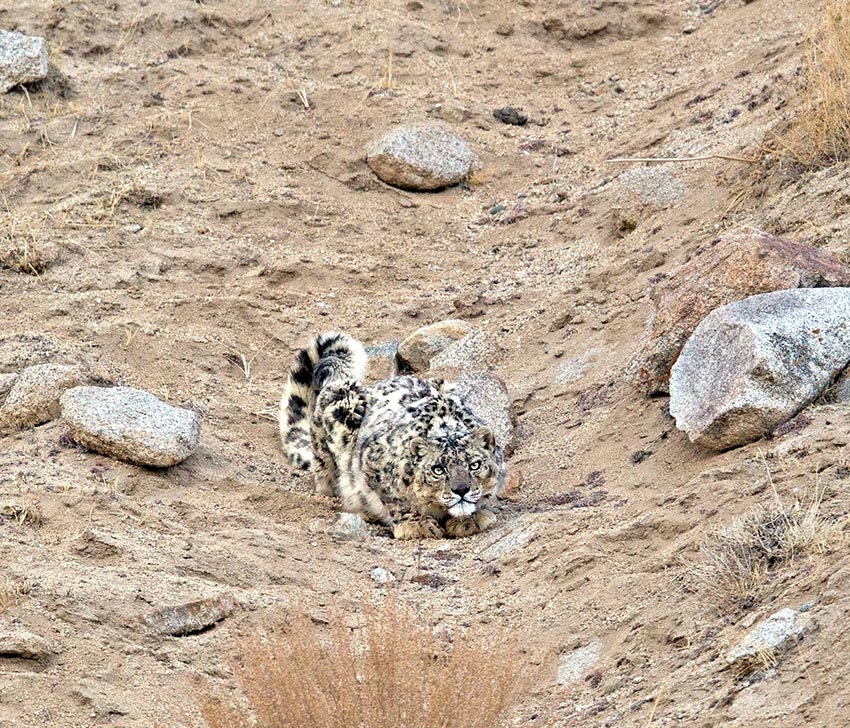
Journey into the remote mountains of Ladakh in search of the elusive snow leopard—one of the rarest and most sought-after wildlife photography subjects on Earth. Guided by Summit Workshops instructors, expert local trackers, and conservation partners, you’ll spend twelve unforgettable days photographing extraordinary wildlife, dramatic Himalayan landscapes, and the rich culture of northern India.
With just six photographers, this expedition offers personalized instruction, exclusive access to experienced local guides, and the rare opportunity to create powerful images while experiencing one of the world’s last truly wild places.
Everything Included in Your Expedition
Expert Instruction
Learn alongside Summit Workshops instructors with personalized coaching, in-the-field guidance, and image reviews throughout the expedition to help you create your strongest work.
Transportation & Most Meals
Ground transportation throughout the expedition, airport transfers within Ladakh, and most meals are included so you can focus on photography instead of logistics.
Local Guides & Trackers
Work with experienced local trackers and conservation partners whose knowledge of the region and wildlife provides the best opportunities to locate and photograph snow leopards.
Comfortable Accommodations
Stay in carefully selected hotels and lodges that provide a warm, welcoming base after long days exploring the mountains of Ladakh.
Wildlife Encounters
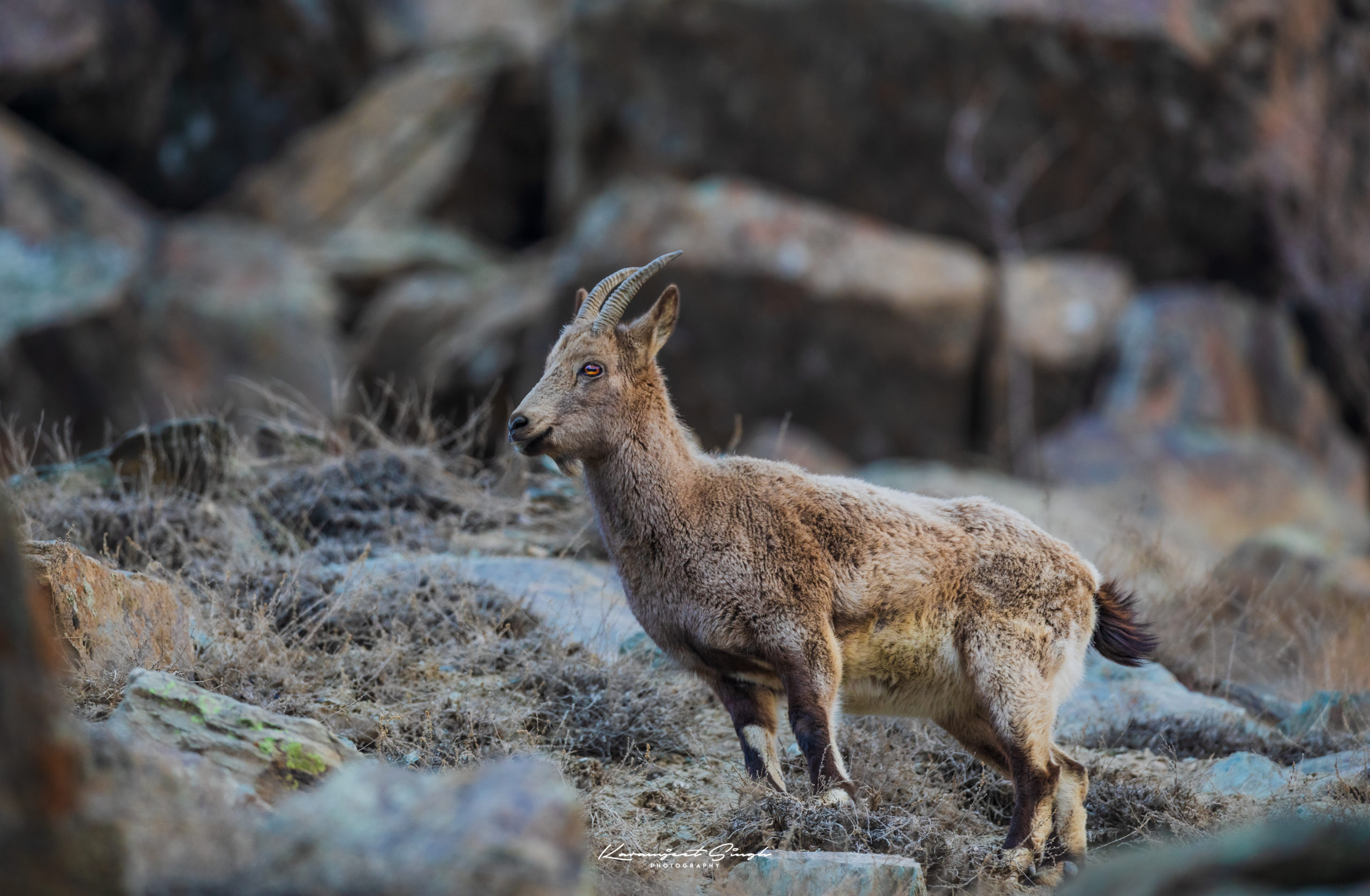
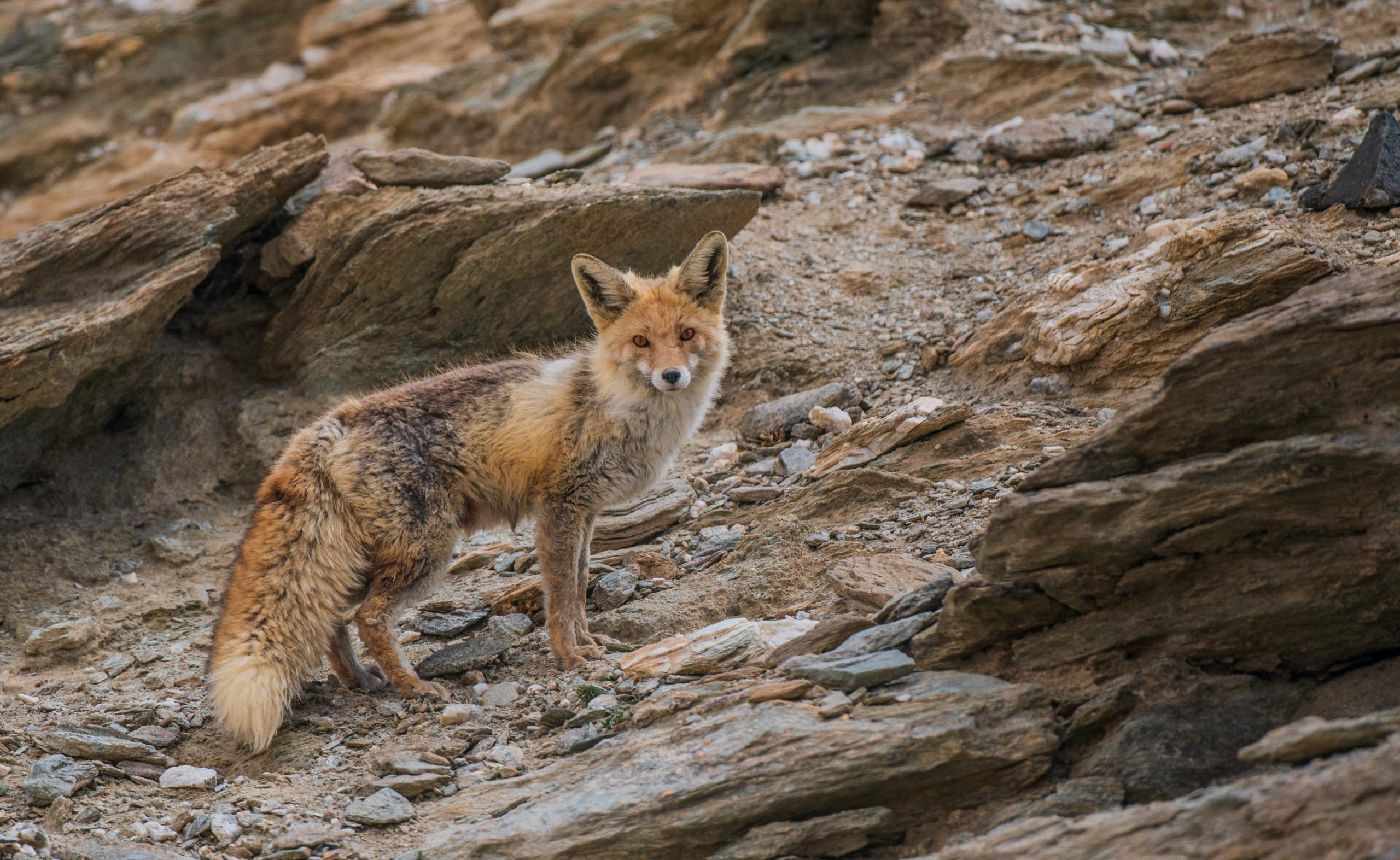
Photograph snow leopards along with blue sheep, ibex, Himalayan wolves, foxes, birds of prey, and the dramatic landscapes of the Indian Himalayas as conditions allow.
Cultural Experiences
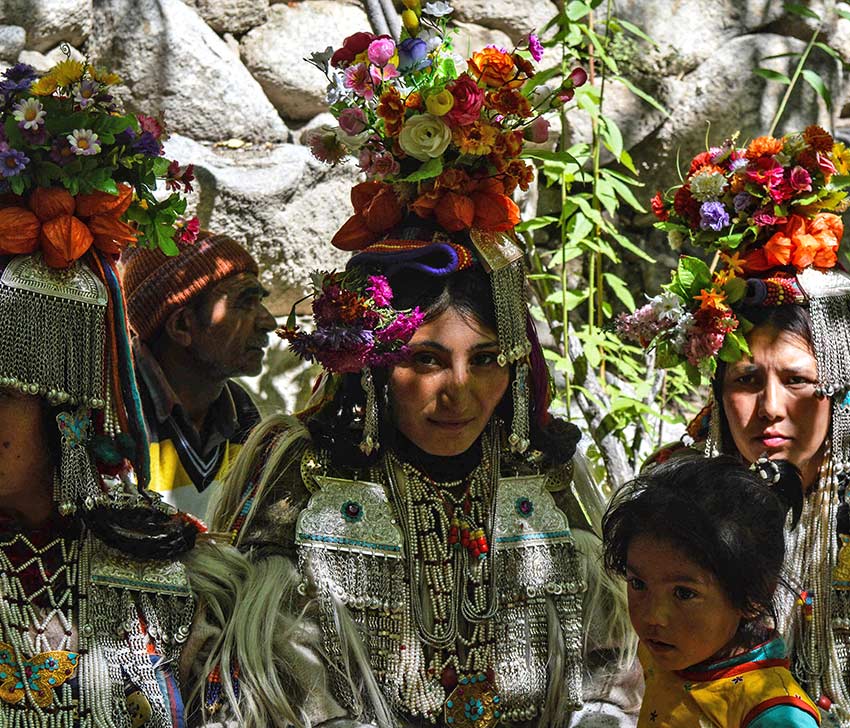
Visit ancient monasteries, traditional villages, and local markets, gaining a deeper appreciation for the people and culture that make Ladakh unlike anywhere else in the world.
A Community of Photographers
Share the adventure with a small group of passionate photographers, building friendships and learning from one another throughout the journey.
Why Summit?
A snow leopard sighting is unforgettable—but the journey to find one is just as rewarding. At Summit Workshops, we believe the best expeditions combine incredible photography, meaningful travel, and genuine connection to the places you visit.
Experience the culture of Ladakh through its monasteries, villages, and mountain landscapes, creating a portfolio that tells the complete story of the region. We work alongside trusted local guides and conservation partners, supporting responsible tourism that helps protect snow leopards and their fragile habitat.
Beyond the photographs, you’ll also share unforgettable moments with a small group of passionate photographers, building friendships and memories that last long after the expedition ends.
At Summit India You Will
Search for Snow Leopards
Embark on a thrilling adventure to photograph elusive snow leopards in their natural habitat, alongside expert wildlife photographers.
Immerse Yourself in Himalayan Culture

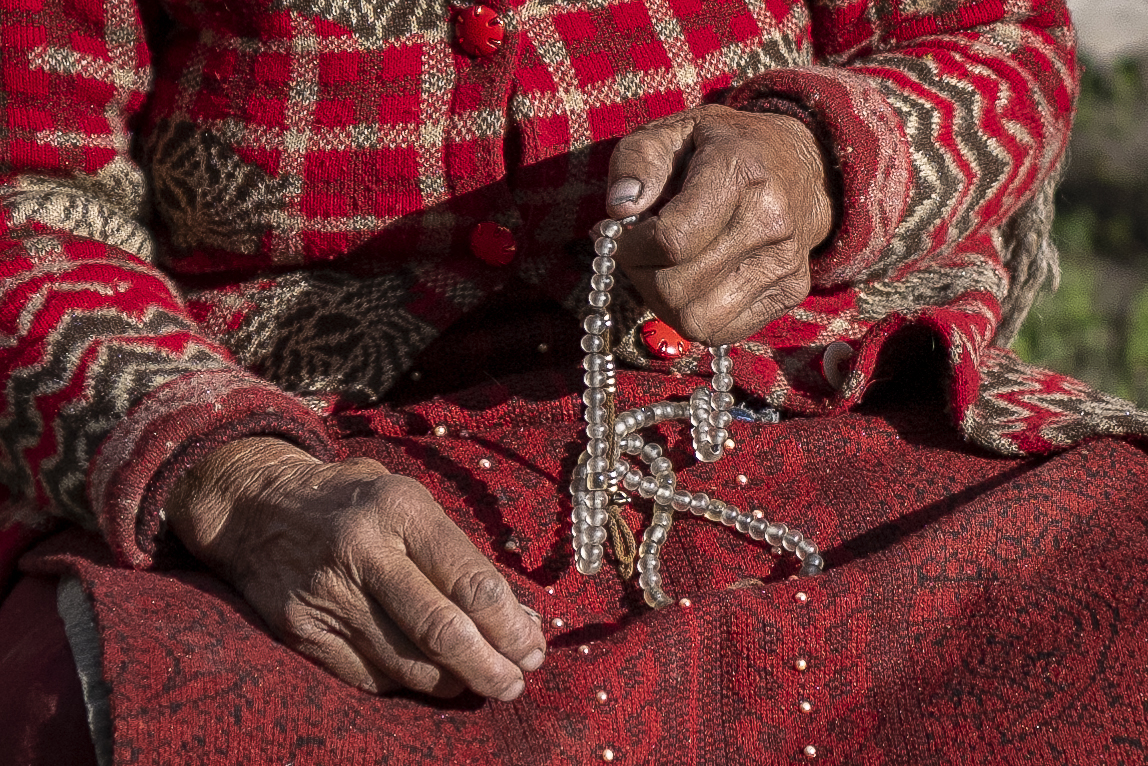
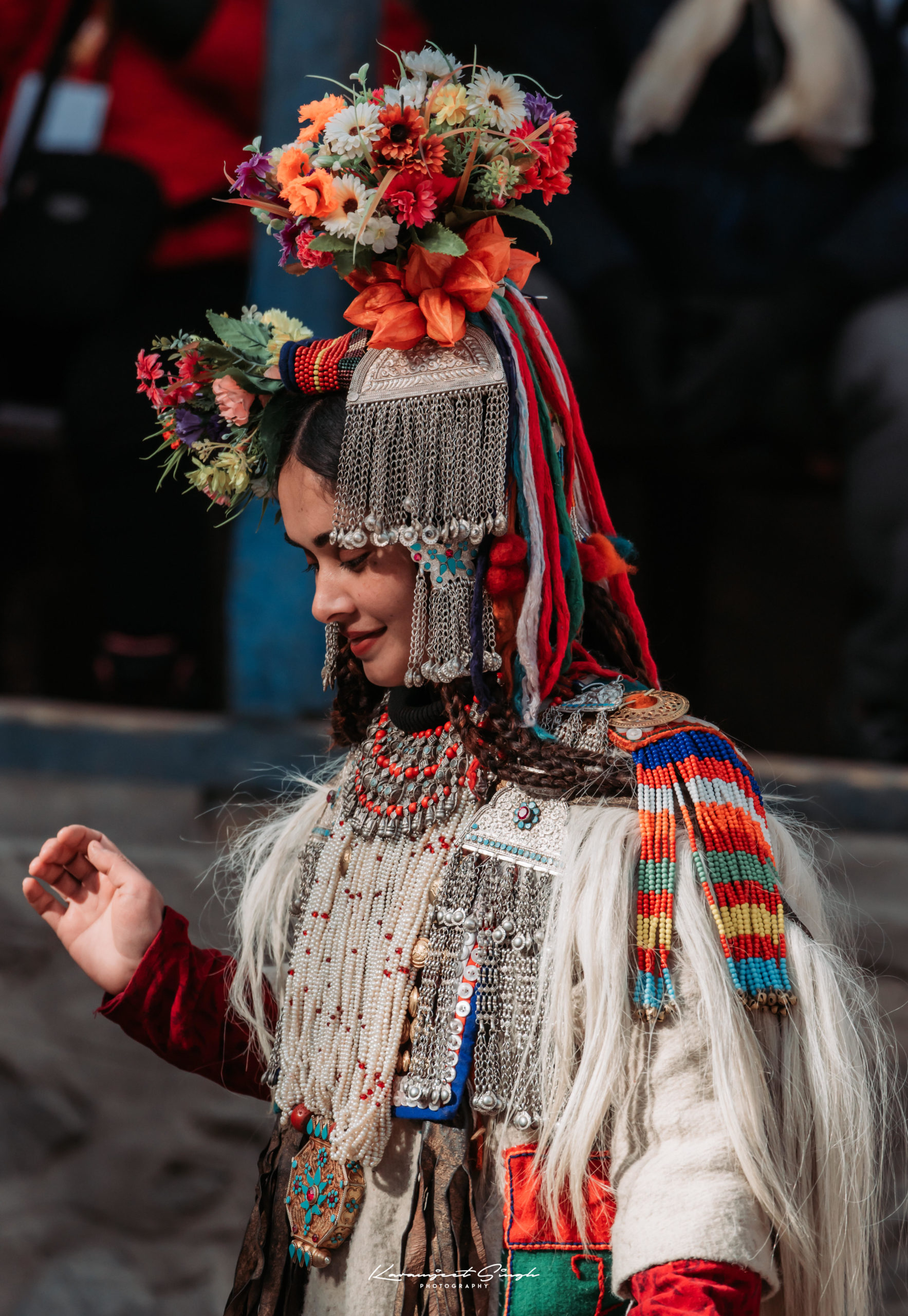
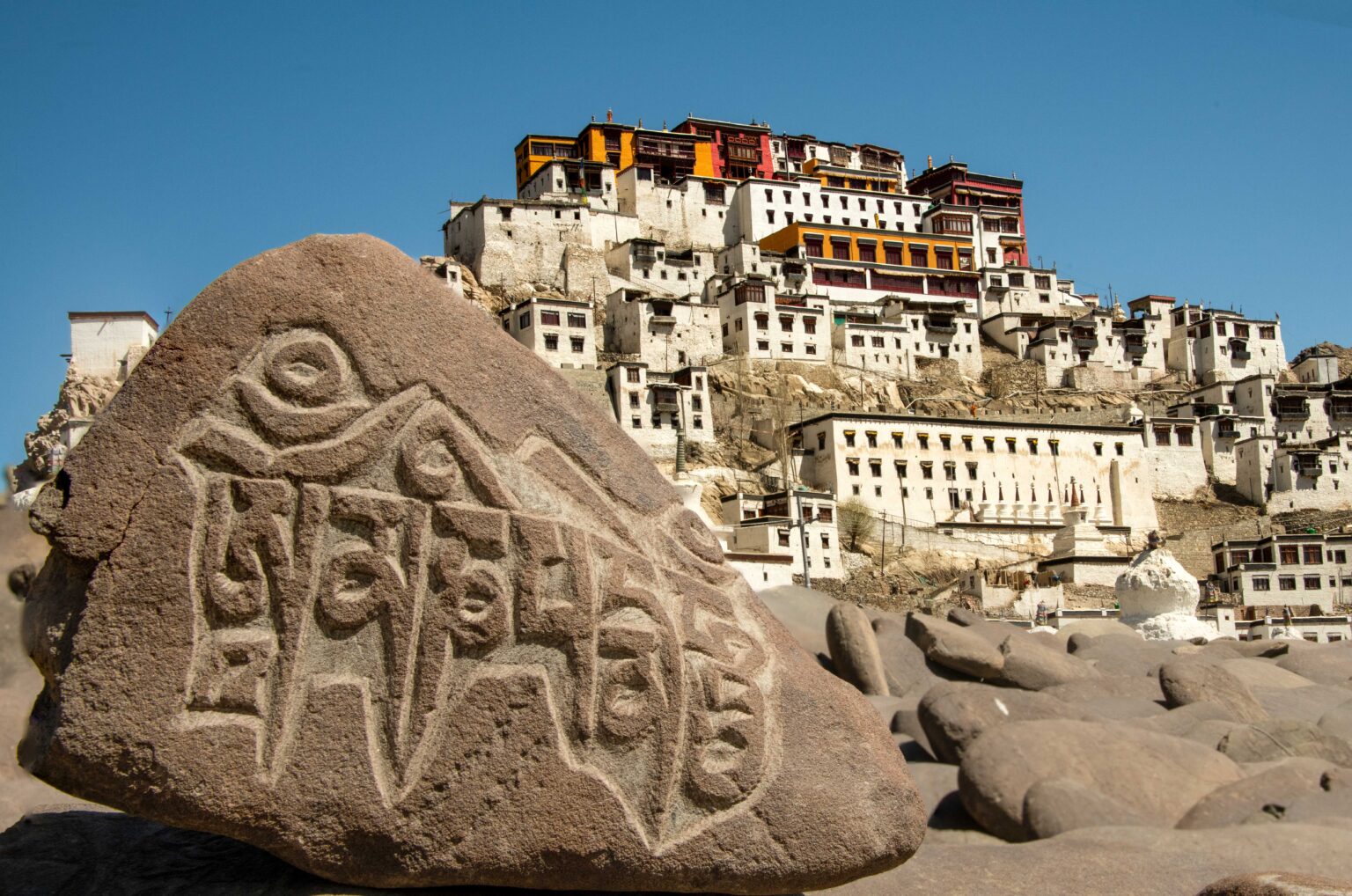
Capture the vibrant traditions of Himalayan tribes, explore Tibetan Buddhist monasteries, and photograph the ancient villages along the historic Silk Road.
Master Wildlife and Travel Photography
Join a Community That Lasts
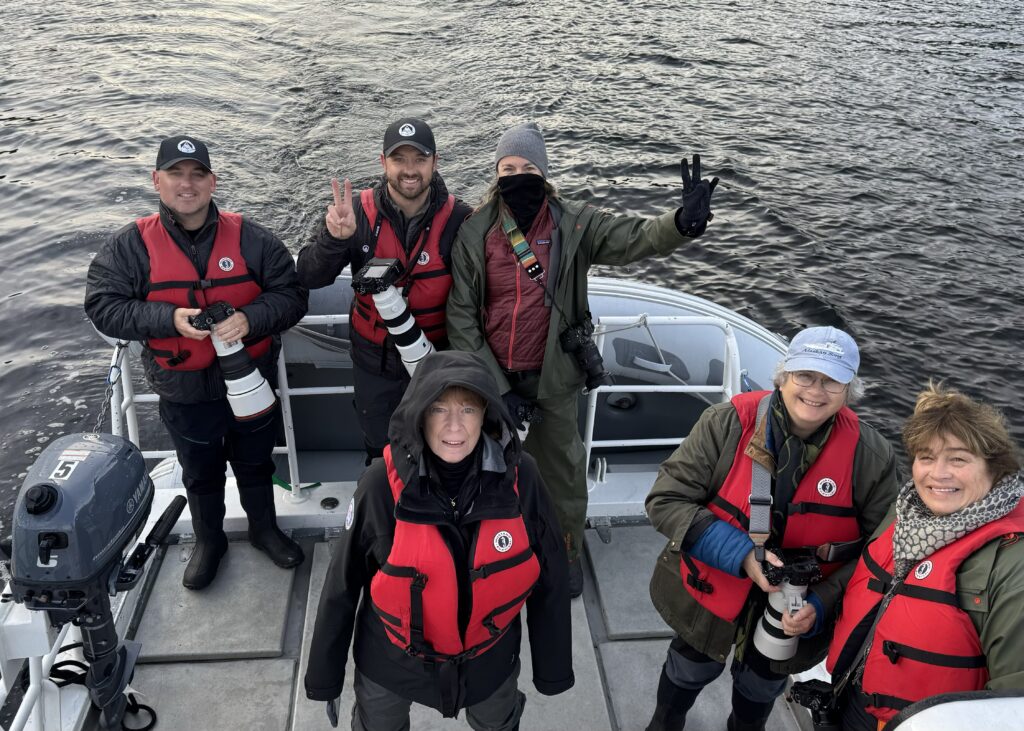
When you travel with Summit Workshops, you’re joining more than a photography expedition—you’re becoming part of a community of passionate photographers who inspire, support, and learn from one another. Our small groups create an environment where lasting friendships are formed, ideas are shared, and every success is celebrated together.
Many of our students return year after year, not just for the incredible destinations, but for the people they meet along the way. From the first day in the field to the final image review, you’ll be surrounded by photographers who share your curiosity, your passion for storytelling, and your sense of adventure.
Our Trip
Every day in Ladakh brings the possibility of something extraordinary. From scanning rugged mountain slopes for the elusive snow leopard to photographing ancient monasteries, dramatic Himalayan landscapes, and the people who call this remarkable region home, this expedition is designed to immerse you in one of the world’s most spectacular wildlife destinations. While every day is guided by the movements of wildlife and changing mountain conditions, the itinerary below offers a glimpse of what you can expect on this unforgettable adventure.
Plan to arrive in Leh, India at any time. All flights will connect through New Delhi which offers a good opportunity to arrive early and spend a few days sightseeing before heading into the mountains. The Ladakh flight to Leh is one of the most beautiful as it goes over the western Himalaya range over the majestic peaks and lends into the heart of Himalayan Snow kingdom of Ladakh.
Once you arrive in Leh, we will arrange an airport pickup and transfer to our hotel. For those who arrive in the morning we will walk through town and spend a few hours photographing and shopping in the town’s traditional market. Before dinner we will meet our local wildlife biologist and talk about snow leopard ecology and our forthcoming days searching for the elusive ghost cat. Largely, today will be uneventful to allow ample time to recover from the long journey and to adjust to Leh’s 11,000 foot elevation.

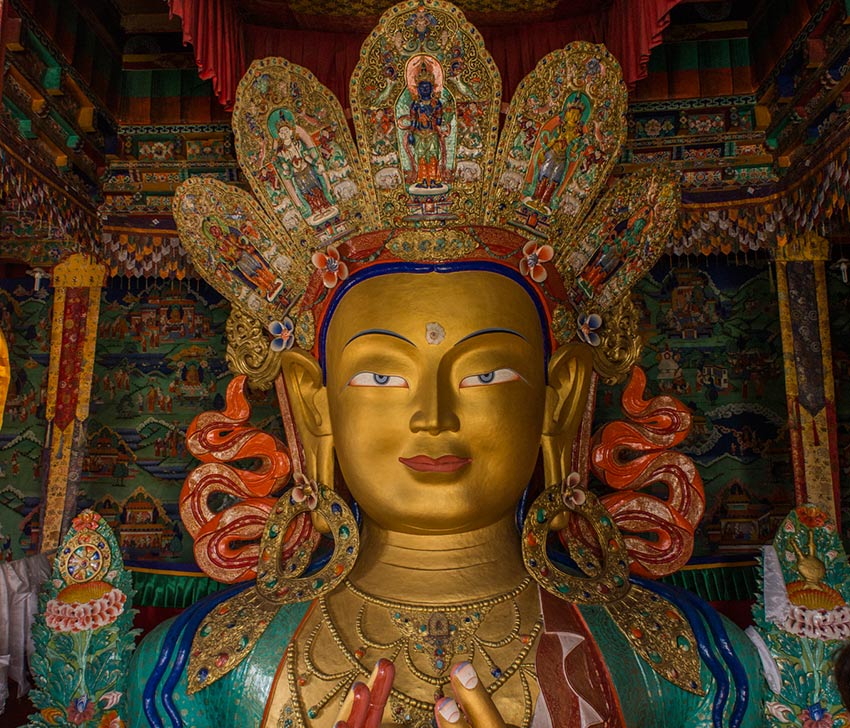
The region of Ladakh is considered to have the best preserved traditional Tibetan Buddhist culture in the world. It is home to hundreds of ancient monasteries that have retained a relatively unchanged way of life for centuries. After breakfast, we will spend our first full day in India visiting and photographing three of the area’s most prominent Buddhist monasteries- the Shev Palace, Thiksey, and Hemis. Our visits will offer a great introduction to the people of Ladakh, and offer a truly special opportunity to experience and photograph several monastic rituals. In the evening we will return to our hotel in Leh for dinner and relaxing.

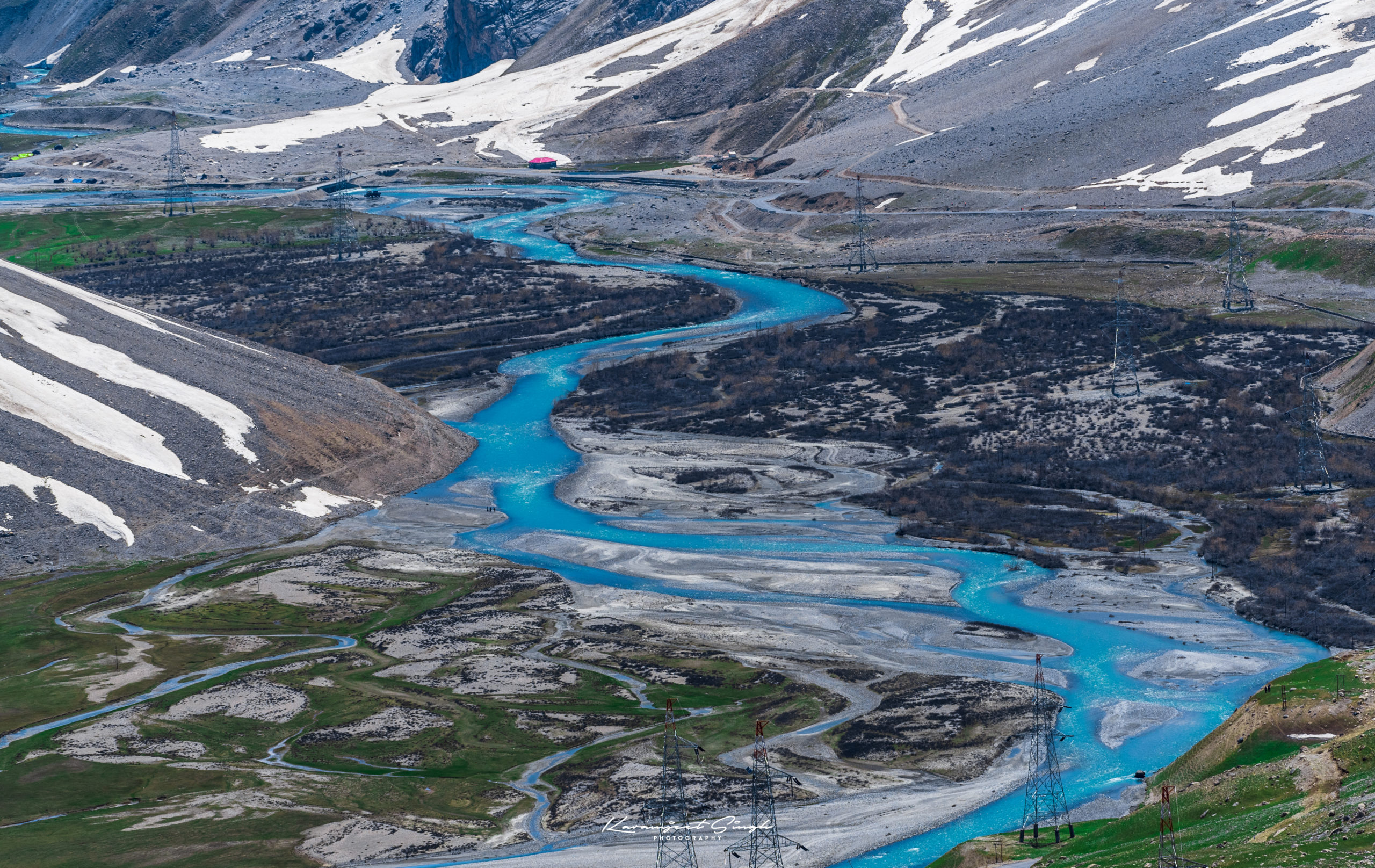
After breakfast we will drive southeast along the Indus River towards the Gya Meru conservation area. Passing through stunning valleys and steep canyons we will keep an eye out for ibex, urial, and possibly snow leopards! After spending a day photographing landscapes and wildlife we will return to Leh for a guided tour of the old market before dinner.
We will be traveling from Leh to Mangyu Valley which is alongside the Indus River. We will stay at a family run lodge that is the only one in the entire valley offering us exclusive access to wildlife viewing. During our 2024 trip we watched snow leopards, tibetan wolves, and other wildlife from the front porch every day. This particular area is widely considered to have the highest concentration of snow leopards in the world and offers the highest chances of seeing them. Tourism is relatively new in the village and the locals have initiated an impressive system centered upon community preservation and snow leopard conservation. After we arrive and check in to our eco-lodge, we will have lunch and tea before heading out to explore the village and learn about their blossoming conservation efforts. In the evening we will relax at the lodge and chat about our exciting days to come.
The next four days will be entirely devoted to wildlife. After early breakfasts, we will leave with our team in search of snow leopards and other wildlife including Lynx, Pallas’ Cat, Wolf, Red Fox, dhole (Tibetan wild –dog), Blue Sheep, Asiatic Ibex, Tibetan Argali and many other species of mammals. We will be in constant communication with local villagers and guides who can direct us towards leopard sightings. Like all exciting animals, whether we see the cats up close or far away will depend on our luck. Either way, our days will be spent surrounded by the mighty Himalaya with infinite vistas and a variety of animal species to photograph. Depending on our wildlife sightings and the groups’ interest, we could spend a day visiting the Alchi Monastery which dates to the 10th century and is one of the oldest in Ladakh. Our host, Tsering, is an avid camera trapper and depending on interest can lead hikes up a nearby canyon to search for snow leopard signs and check his cameras.
After breakfast and one more outing to search for leopards, we will bid farewell to Ulley and drive towards Kargil. The drive will take us through beautiful river valleys and over spectacular mountain passes along the border of India and Pakistan. En route we will visit one of the largest stone buddhas carved into a hillside near the city. Once in Kargil we will visit the Munshi Aziz Bhat Museum, a private collection of over 1000 artifacts from that Silk Route trade heritage of Kargil. The evening will be spent relaxing at our hotel in the city and perhaps exploring the nearby market.
After breakfast we will transfer to a new vehicle and drive to Drass, a mountain town known as the gateway to the Indian Himalaya, and the second coldest inhabited place on Earth (luckily we will be there in the spring when it is warmer!). In the evening we will meet with our wildlife guide to learn about Himalayan Brown Bears and enjoy a tasty dinner at our lodge.
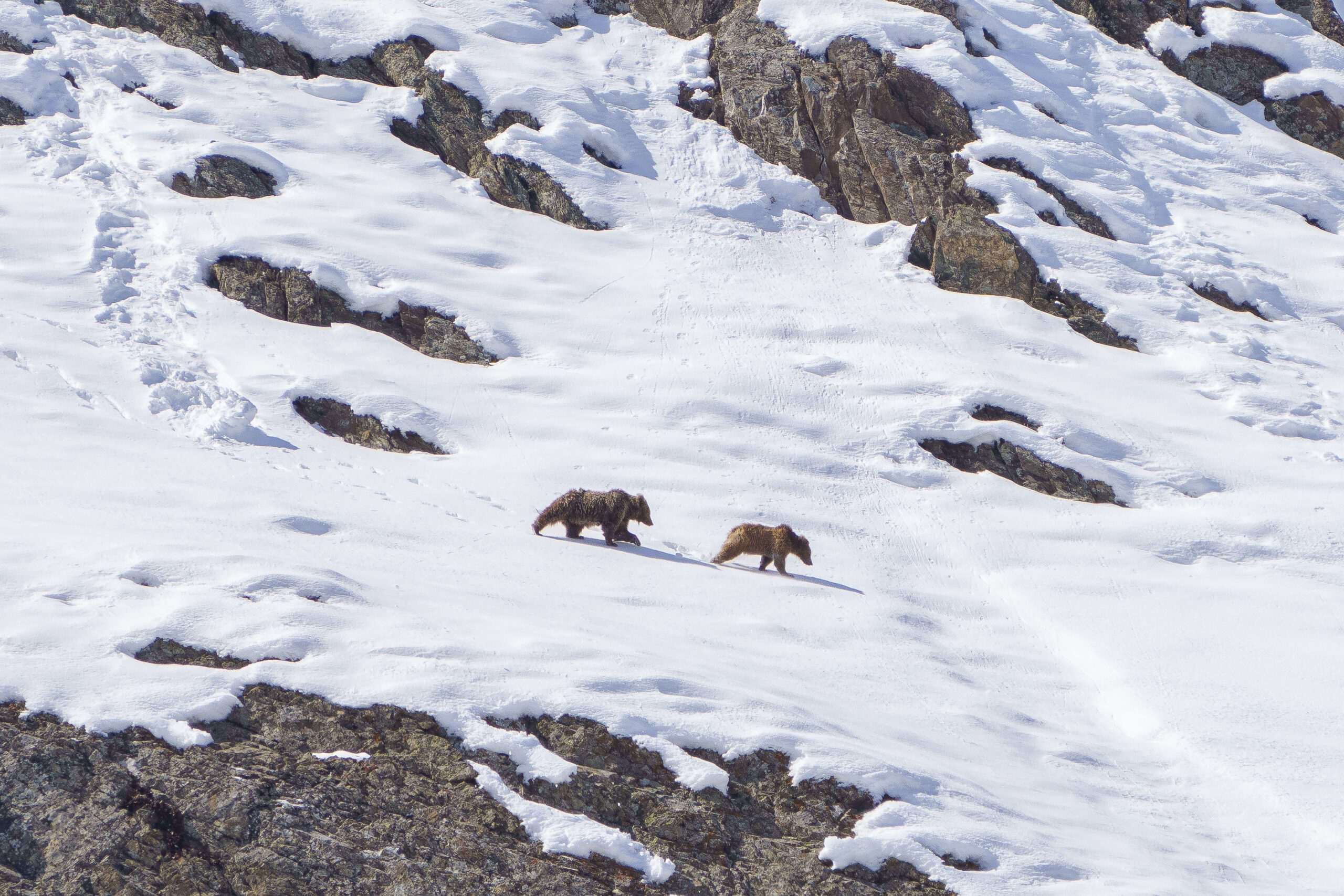
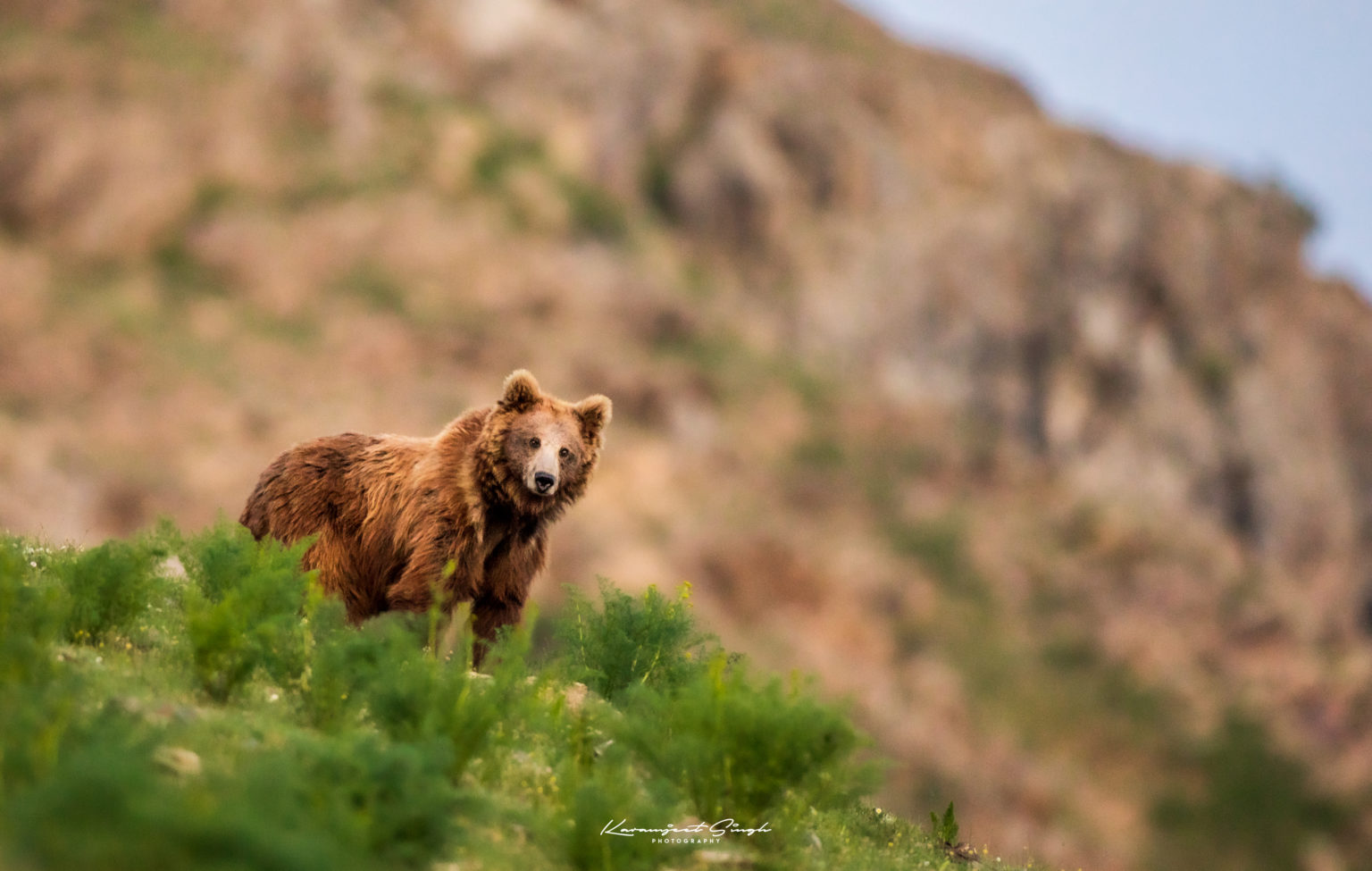
While Snow Leopards are perhaps the most famous large carnivore of the Himalaya, India’s Himalayan Brown Bears are just as rare and a spectacular subject that very few people have ever photographed. After hibernating all winter, the bears (often with babies) will emerge from their dens in late April offering a heart-warming and once in a lifetime opportunity to watch the parents introduce their young to the world.
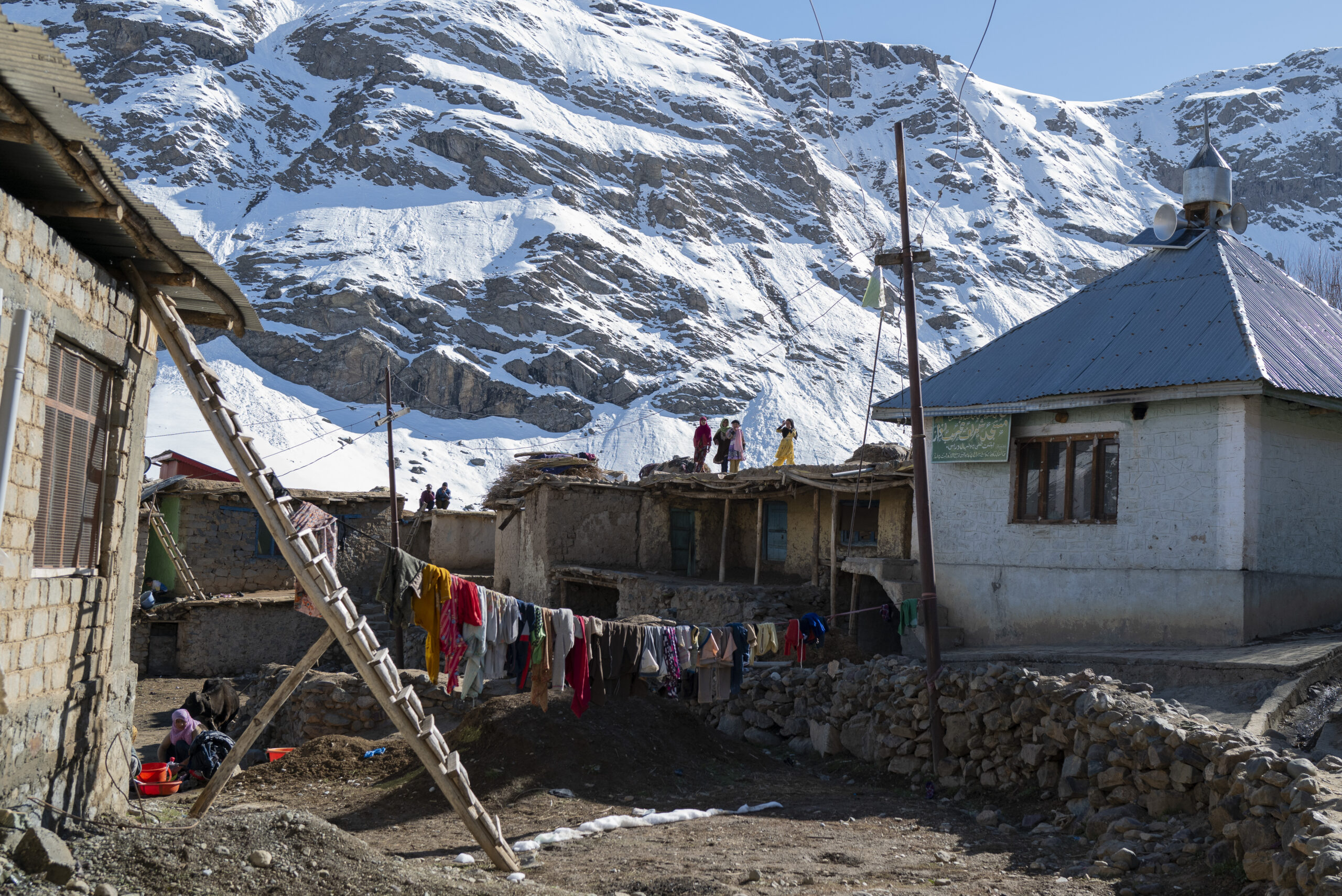
Our first two days of brown bear tracking will begin with a very early wakeup and a short drive to the Mushkow Valley. During a splendid walk along the Mushkow River or short hike to the top of a nearby ridge, we will keep our eye out for bears in addition to over 25 species of migratory birds who will be passing through. In the afternoon we will return to our lodge for lunch and visit the nearby Shina Villages which offer great opportunities to photograph local culture in addition to wildlife including Ibex, Foxes, and Wolves. In the evening we will return to Drass for relaxation and dinner.
After another early morning of bear tracking, we will drive to the abandoned 300 year old settlement of Hundurman. Located along the Line of Control between India and Pakistan, the village has been turned into a historic museum and interpretive center that offers a glimpse into the region’s past, and offers an opportunity to learn about the hardships that the local people experienced during conflict between India and Pakistan some thirty years ago. We will meet the local host of Hundurman and after a tour of the settlement and museum will join his family for a traditional lunch in their home. In the late afternoon we will return to Drass for dinner, tea, and relaxation.
After breakfast we will bid farewell to Drass and return along the highway to Leh. Following a slightly different route from our approach we will stop at several mountain passes to enjoy stunning views and stop for tea at a massive buddha carved out of a cliff face.
Depart Leh at any time, return home connecting through New Delhi.
Getting there & Travel Details
Your adventure begins in Leh, Ladakh, the gateway to India’s breathtaking Himalayan region. Participants are responsible for arranging their own international flights to Indira Gandhi International Airport (DEL) in New Delhi, followed by a domestic flight to Kushok Bakula Rimpochee Airport (IXL) in Leh.
You will need to book two separate sets of tickets, one international between the US and New Delhi, and another set on Air India between New Delhi and Leh
- International Tix – Plan to arrive into New Delhi early AM on the first day, and depart New Delhi late on the last day.
- Domestic Tickets – Air India, depart New Delhi to Leh early AM on the first day and return mid morning on the last day.
Health & Fitness
This expedition takes place in the high-altitude mountains of Ladakh, where you’ll spend much of your time between 11,000 and 14,000 feet (3,350–4,300 meters). To help your body adjust, we’ve built acclimatization time into the itinerary before heading into prime snow leopard habitat.
While this is not a strenuous trekking expedition, participants should be comfortable walking on uneven, rocky terrain, climbing moderate hills, and spending extended periods outdoors in cold winter conditions. Wildlife sightings often require patience, and some days involve standing or hiking short distances over snow and loose ground.
A good level of overall fitness will allow you to enjoy the experience more fully. If you have concerns about traveling at altitude or your ability to participate, we encourage you to contact us before registering so we can discuss whether this expedition is the right fit for you.
Additional Information
Spouse and companion discounts are available for this workshop for non-photographers who would like to share in the experience. Please contact us for details. Pricing is based on double occupancy, with the option to inquire about a single supplement at an additional cost.
What to Pack
Winter in Ladakh is both beautiful and unpredictable. Temperatures can range from 0°F to 55°F (-18°C to 13°C), so dressing in layers is the key to staying comfortable throughout the expedition. We recommend packing light, using a soft-sided duffel whenever possible, and bringing clothing that can easily be layered for changing conditions.
CLOTHING:
- Waterproof hiking boots with good traction
- Comfortable travel shoes
- Slippers or indoor shoes for hotels and guesthouses
- Comfortable pants and shirts for travel and evenings
- Thermal base layers and long underwear
- Fleece or insulated mid-layer
- Warm down jacket
- Waterproof or windproof outer shell
- Warm hat, gloves, and neck gaiter or buff
OTHER:
- Sunglasses and sunscreen
- Toiletries and any personal medications
- Daypack for carrying camera gear, water, snacks, and extra layers
- Cash for beverages, snacks, souvenirs, and gratuities (tips may be paid in U.S. dollars)
PHOTOGRAPHY GEAR:
- 1–2 camera bodies
- Telephoto lens (such as a 200–600mm) for wildlife
- Wide-angle lens for landscapes and environmental scenes
- Mid-range or portrait lens for villages, people, and travel photography
- Plenty of extra batteries
- Portable battery pack for your phone
- International power adapter
- External hard drive or SSD for backups
- Laptop for downloading, editing, and participating in informal image reviews
- Headlamp or small flashlight
- Plenty of memory cards
- Lens cleaning cloths and weather protection for your camera gear
Sony Gear
We are proud to partner with Sony, giving students the unique opportunity to experience some of the latest professional camera bodies and lenses in the field during the workshop. Throughout the week, participants can check out Sony gear to test and use in real shooting conditions in the field. This hands-on access allows you to explore new equipment, refine your technique, and see how different tools can impact your creative results, all while receiving guidance from our instructors in real time.
Meet Your Instructor
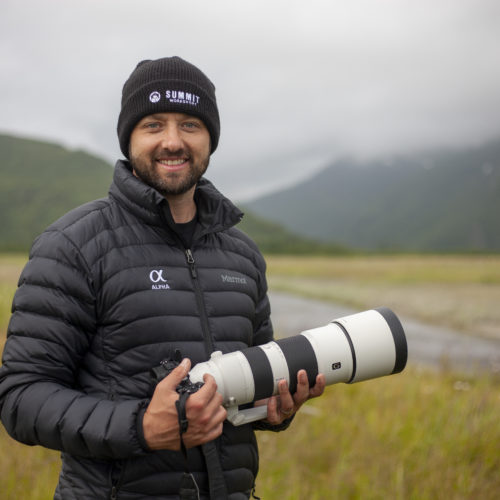
Chris Steppig
Chris Steppig
Our local guides
Muzammil Hussain
A passionate climber, trekker & native of Kargil, after much wandering around in India for a few years, he decided to come back home to the mountains and co-founded Roots Ladakh – a responsible travel company with his brother in 2013 with a vision to change the preconcieved notion of Kargil as a “war zone”. Muzammil has a background in management, design & research. As a researcher, his work took him to travel to some remote locations in India where his love for travelling and exploration grew. Besides running his travel company he loves guiding people in his backyard as a qualified mountain guide, an experienced culture guide, a museum curator, and a wildlife conservationist. He has helped setup various community-run rural tourism projects in Kargil and is a member of the local Tourism Advisory Board. He is the Founder-Trustee Himalayan Brown Bear Trust, a non-profit dedicated to the conservation of this rare species. He is a TedX speaker and his work has also been featured in various national and international publications most recently in Conde Nast Traveler as one of the “50 amazing ambassadors of sustainable travel” and “50 People to Know in the Himalayas,”.
Gulzar Hussain
Recently featured in Condé Nast Traveler as one of the “50 People to Know in the Himalayas,” Gulzar Hussain has an incredible knowledge and passion for the wildlife, history, and culture of his homeland in the Himalayas. With a bachelor’s degree in science and an MBA in tourism, he currently specializes in sustainable tourism planning and policy. He is the co-author of the book, Journey through Paradise, an in-depth guide to Kashmir, Ladakh, and Jammu, and is the founder of the Nomadic Center for Arts and Crafts in Puga Changthang. The Nomadic Center gives underprivileged, vulnerable, Nomadic children better access to health care and education, and involves them in creative arts and wildlife conservation projects. As a naturalist and guide, Gulzar loves sharing his passion for the remote, remarkable, and delicate ecosystem of the Himalayas with fellow adventurers. He enjoys photography and finds that his pictures help bring his stories to life during evenings spent around the camp fire.
Ready to Search for the Ghost of the Himalayas?
There are few wildlife experiences as rewarding as seeing—and photographing—a snow leopard in its natural habitat. Add the breathtaking landscapes of Ladakh, the warmth of its people, and the guidance of Summit’s experienced instructors and local partners, and this becomes far more than a photography workshop. It’s an unforgettable adventure.
If you’ve dreamed of photographing one of the world’s most elusive big cats while exploring one of its most extraordinary landscapes, we’d love to have you join us.
Explore Our Other nature Workshops
Alaska Wildlife Photography Workshop
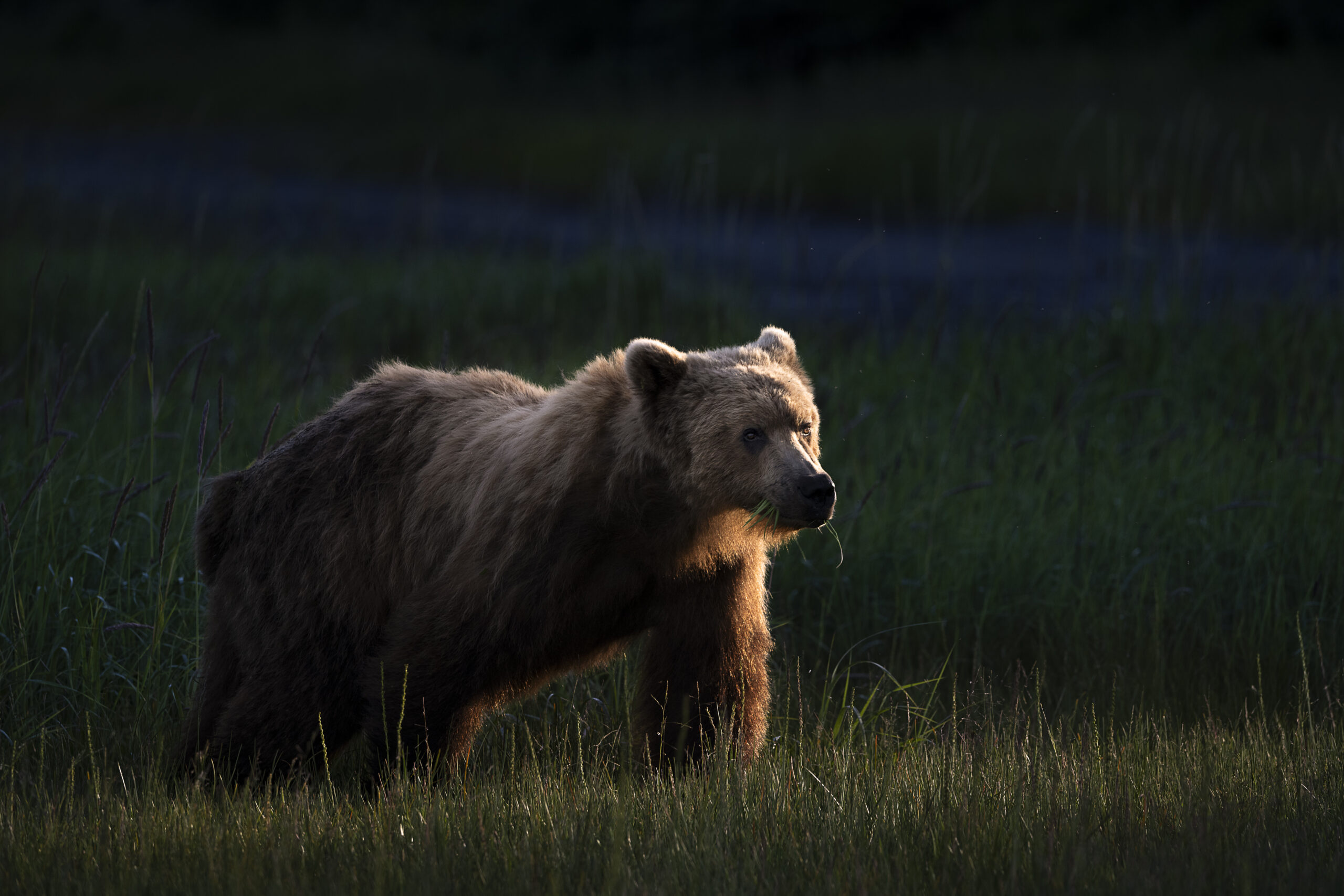
Photograph bears, glaciers, and rugged coastal landscapes in one of the most remote and breathtaking wilderness areas in the world. This expedition is an immersive experience focused on wildlife encounters and dramatic natural light in the field.
July 24-29, 2027
Lake Clark National Park
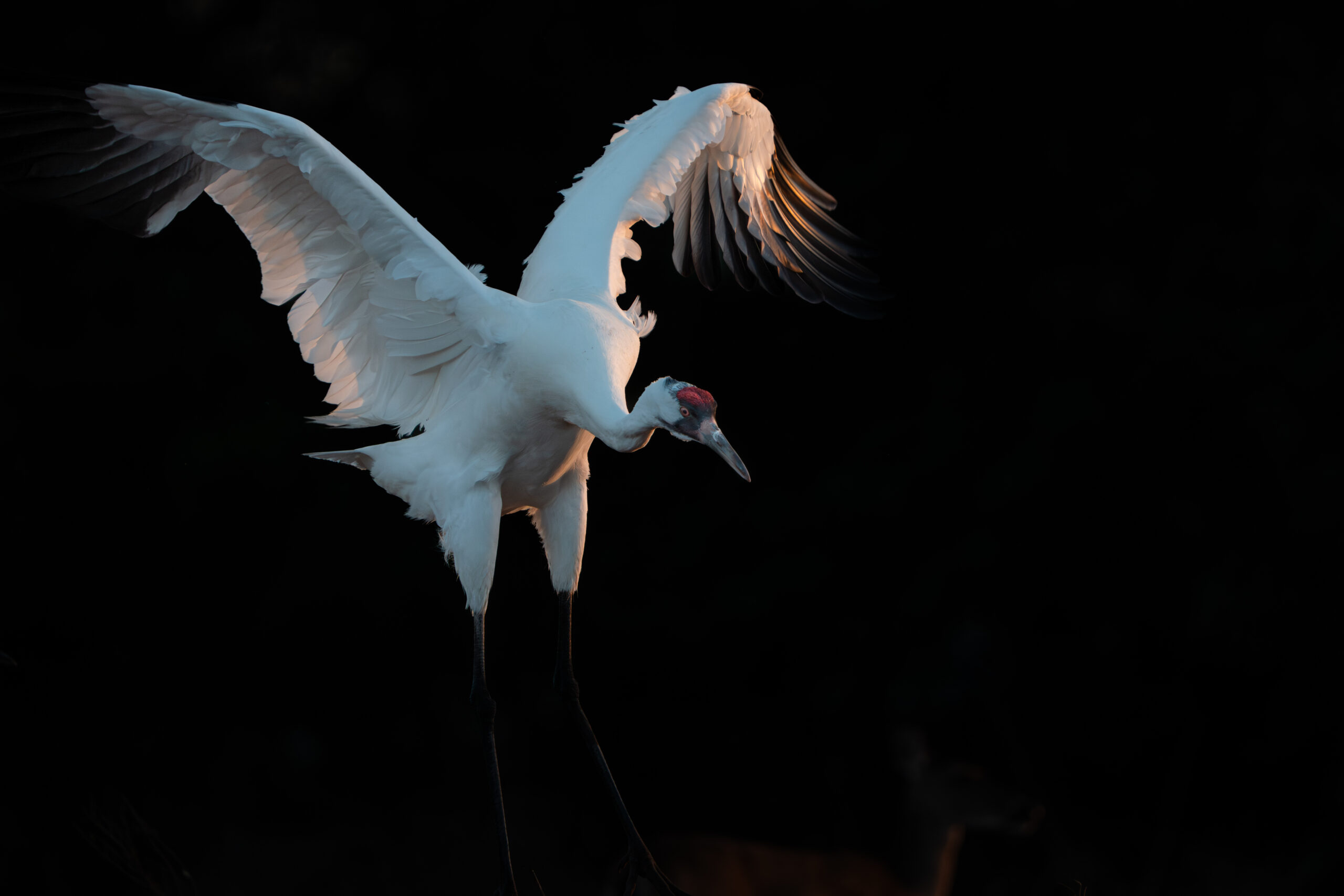
Gulf Coast Texas Whooping Crane Workshop
Join us along the Texas Gulf Coast to photograph the endangered whooping crane in its winter habitat. This workshop offers rare opportunities for intimate wildlife photography combined with coastal landscapes and bird behavior in the field.
February 17-20, 2027
Gulf Coast, TX
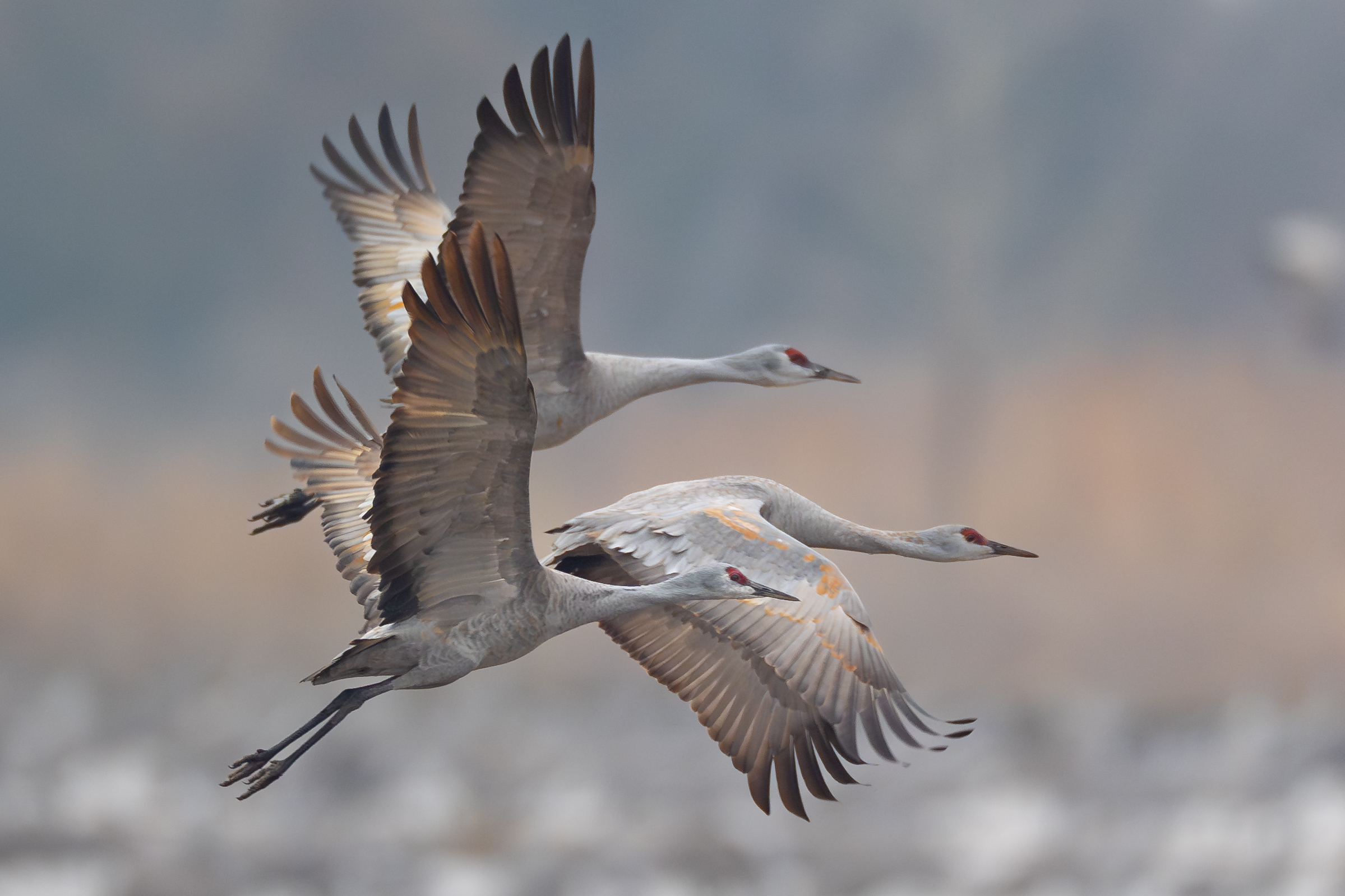
Sandhill Crane Photography Workshop
Experience one of North America’s most incredible wildlife migrations as thousands of sandhill cranes gather along the Platte River. This workshop focuses on capturing motion, behavior, and sunrise silhouettes in a truly unique natural event.
March 18-21, 2027
Kearney, NE